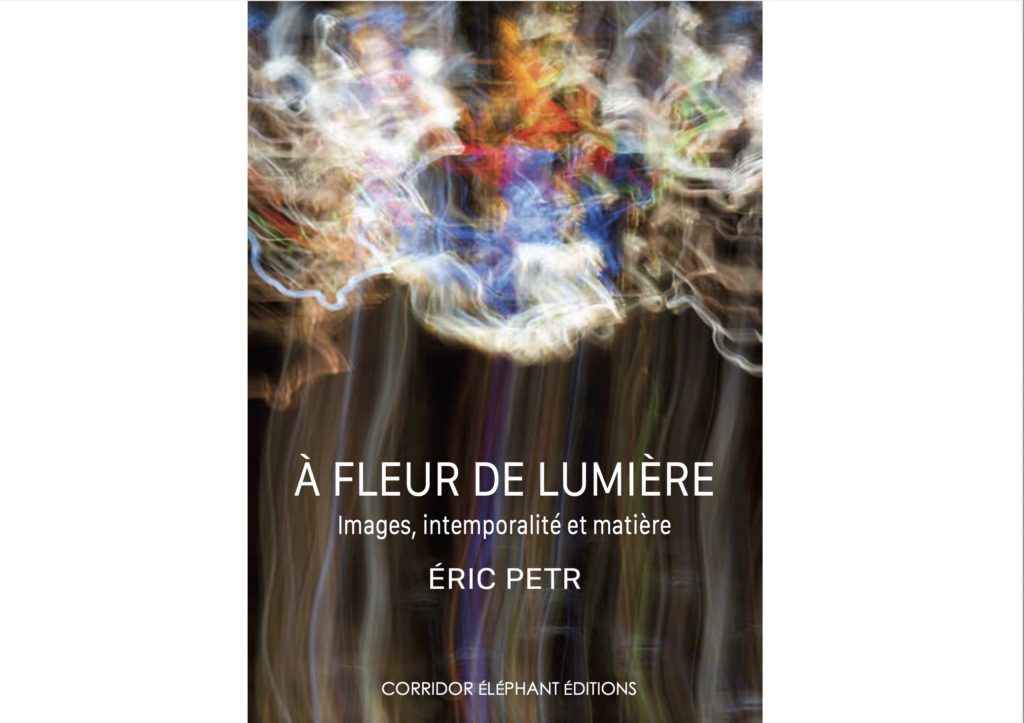
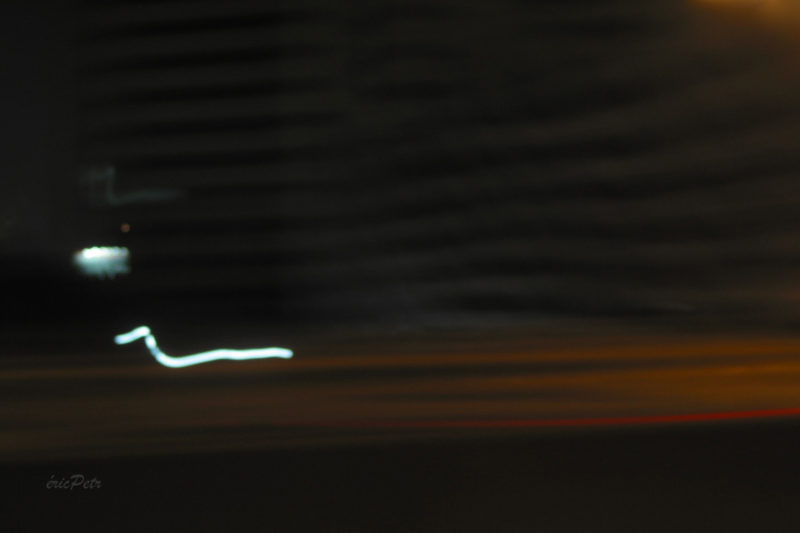
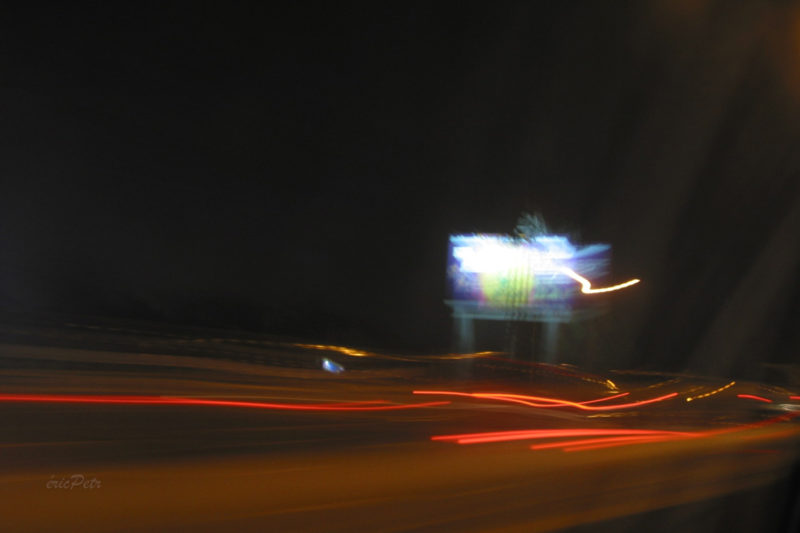
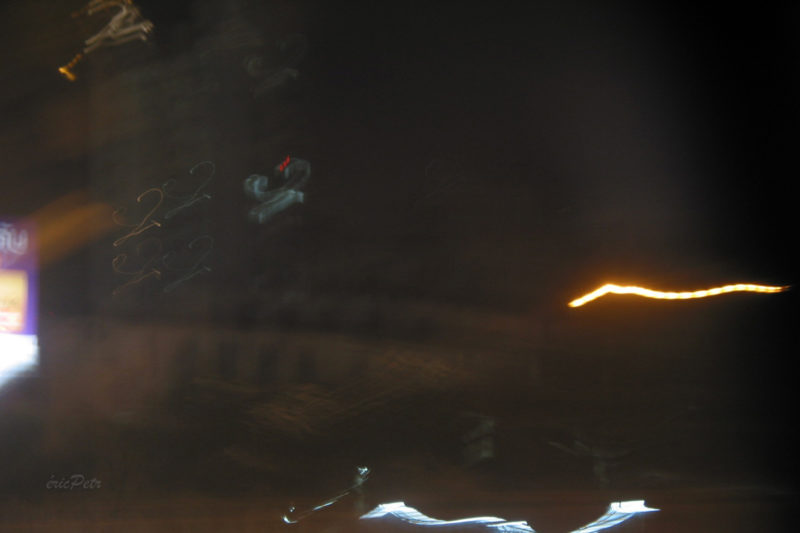
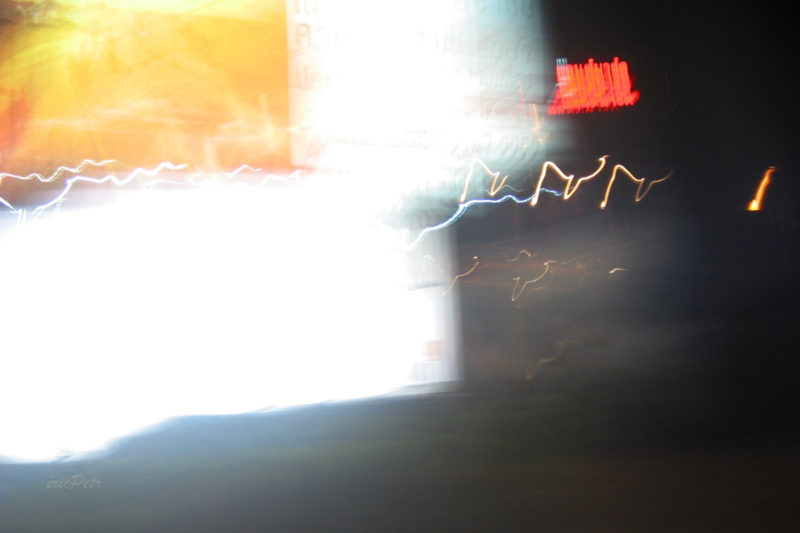
a book by Éric PETR published by Éditions Corridor Éléphant
À Fleur de Lumière is a limited-edition monograph, numbered, signed by the artist, and certified with an embossed seal from Corridor Éléphant publishing house.
Its crowdfunding campaign is carried out through pre-orders on HelloAsso.com, a French social enterprise founded in 2009.
This book will be printed in January 2026 and shipped in early February. The printing will be done on 170 g semi-matte paper, with a 400 g soft matte-laminated cover. The chosen format, 21×15 cm in landscape orientation, offers a comfortable hold for the 152 pages and 108 photographs presented by the author.
The book offers an insight into four decades of photographic exploration, and I’m delighted to share them with you through this beautiful edition.
A word from the editor
Éric Petr’s photography is neither conventional nor what one expects photography to be. It defies meaning, disregards rules, and plays with shadows. It tells nothing or almost nothing. It ridicules overly long sentences, wandering descriptions, and confusing variations. It shows what one dares not look at: time. And with it, the multitude of dimensions that intertwine. Éric Petr’s work does not simply show; it captures. More than geometric figures or overlapping traces of light, the artist freezes that tangible invisibility, that “abstract, constant and present”.
I was a passionate film photographer from 1983 to 1993. I developed my films and printed my photographs in a photo lab I borrowed from the Paris Airport. Then I suddenly stopped photography. At that precise moment in its history, I undoubtedly felt that an earthquake had occurred, and that I no longer had a place in it. The digital world was emerging.
And so went the years without taking a single photograph and without touching a camera in the decade that followed. When I look at my photo albums, I see a gaping hole of a decade’s worth of unprinted memories, some of which have disappeared into the depths of my subconscious. The first lesson I learned from this deprivation of images is that photography, drawing and travel journals, beyond their beauty, are first and foremost an indispensable and necessary tool for memory.
But I had to step back from my obsessive and sickly relationship with the camera, and the ten years I’d been away from it made me aware of this, and gave me the distance I needed to reflect freely and without constraint on the power of the image, its role, its power, and above all, the way in which the photographic image could touch on the immaterial, the metaphysical, and express unspeakable emotions of the spiritual or invisible order.
And so it was that this decade of gestation, which was accompanied by an intense practice of uncompromising Aikidō, changed my view of the world, or rather, brought to it an acuity that until then had met with some difficulty in expressing itself clearly within me.
It’s also undeniable that Aikidō, in its pure practice, traditional approach, intensive training and regular meditation, provides access to a wider field of spiritual knowledge and our relationship with the universe. This is how Aikidō has helped me so much and continues to bring me this depth in the conception of my photography.
I would like to express my gratitude to Armand Mamy-Rahaga and Michel Kovaleff who, through their practice of a fair and uncompromising martial art, have helped me to find a path in my reflection, and to resume my photographic work with the strength that Aiki gives us.
So in December 2002, after a ten-year hiatus, I took up photography again, where I had left off in 1993, but with a more structured coherence than my work of the 80s had produced.
It was a chance encounter with a 12-exposure disposable Pocket Instamatic Kodak, initiated by a trip from Thailand to Cambodia. Twelve great moments of emotion! Just twelve photos taken during a trip to the ends of the earth is like holding your breath until the end. On this trip, I learned to take my time, to search my subconscious for the triggering breath of the photographic click, the pleasure of the release. I realized that photography is, above all, about listening to our universe.
The first photographic works I produced from 2003 onwards (Tōkyō under the rain_2oo3, Bangkok_2oo4, TrAveRséE2nUiT_2oo4, Windows_2oo5, and others), constitute the foundations and underpinnings of a knowledge acquired during this decade of interruption in photographic practice.
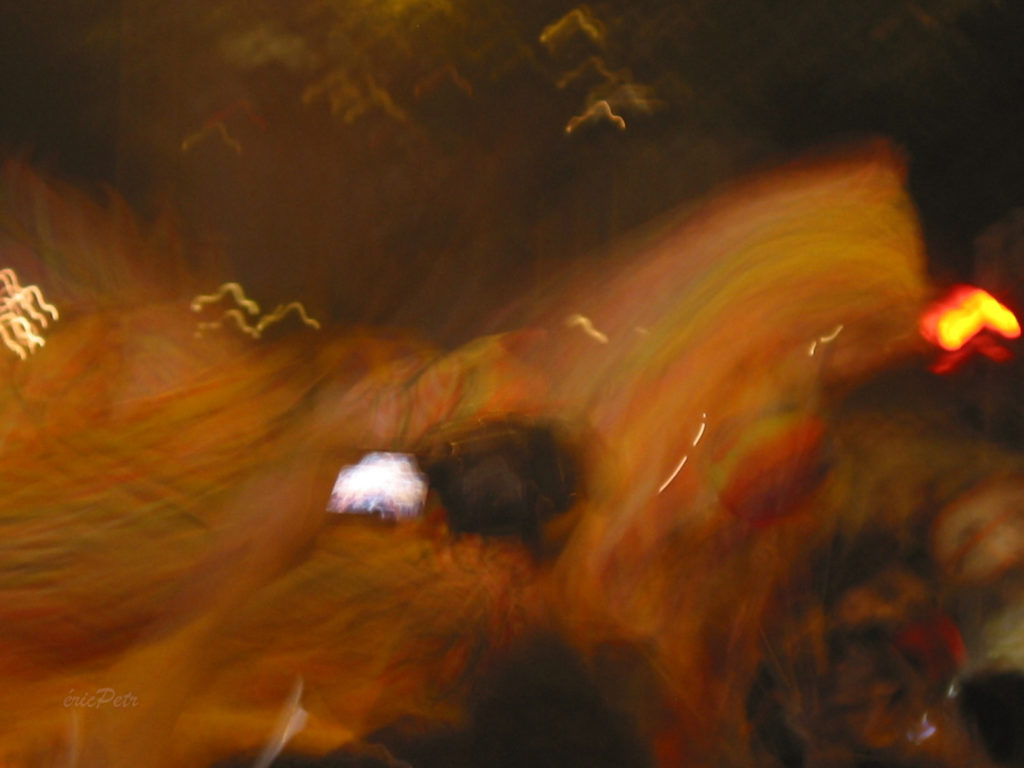
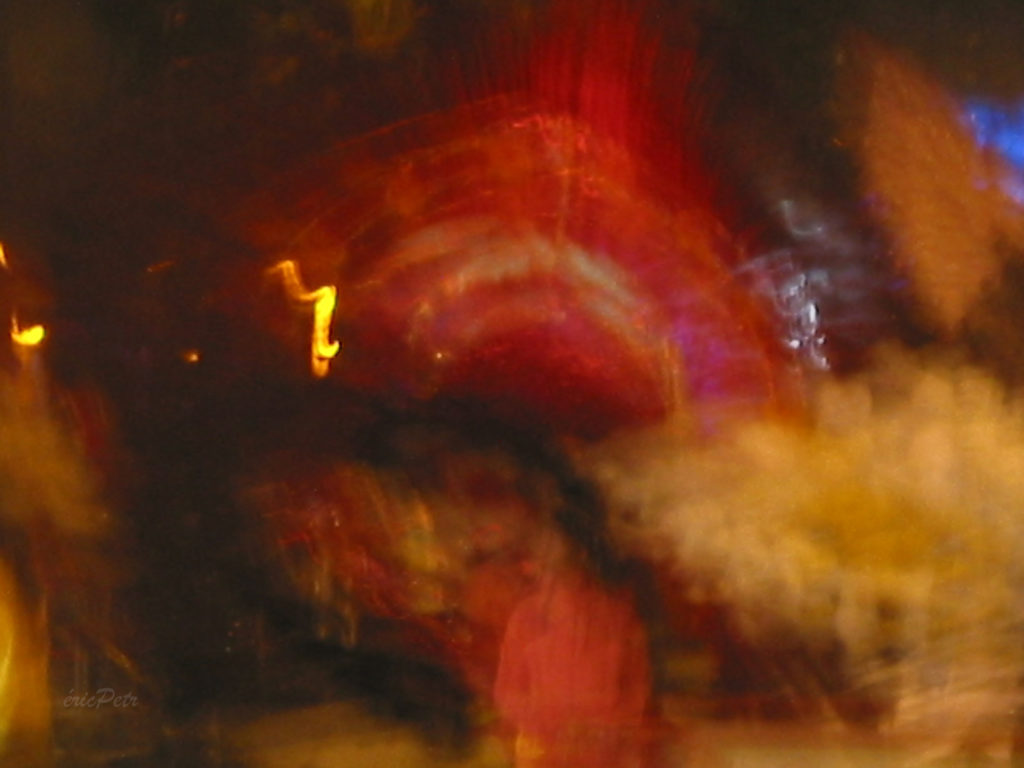
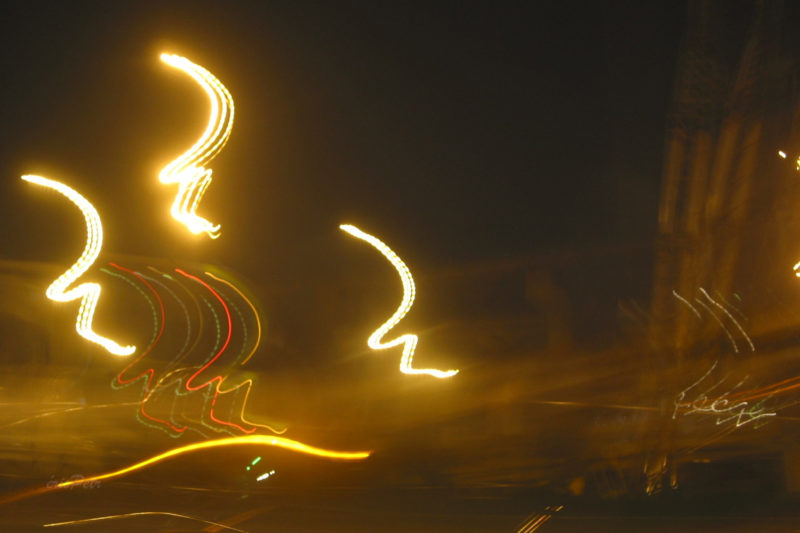
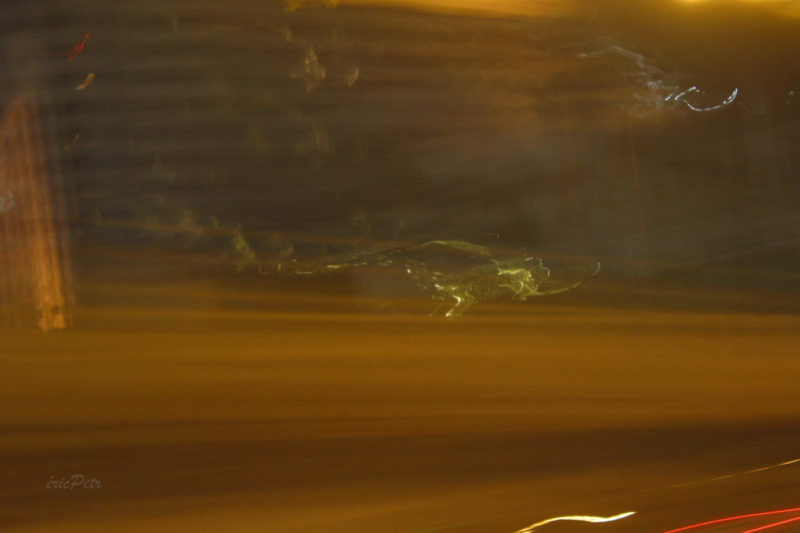
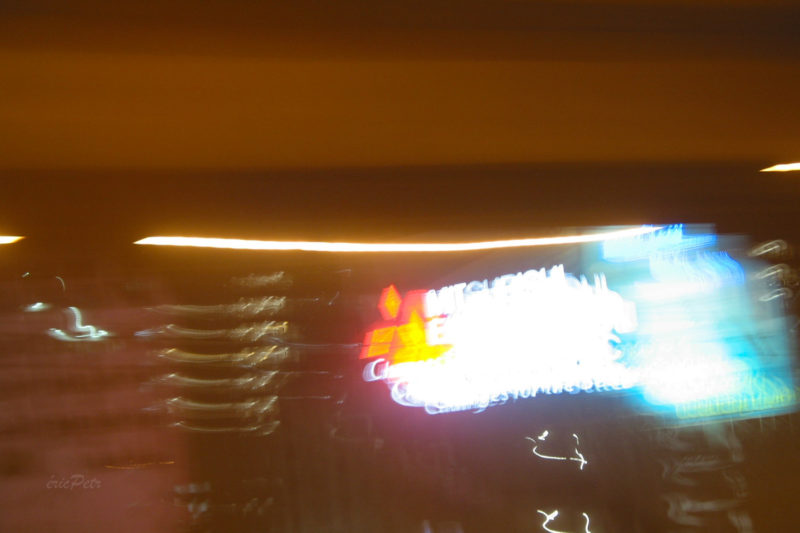
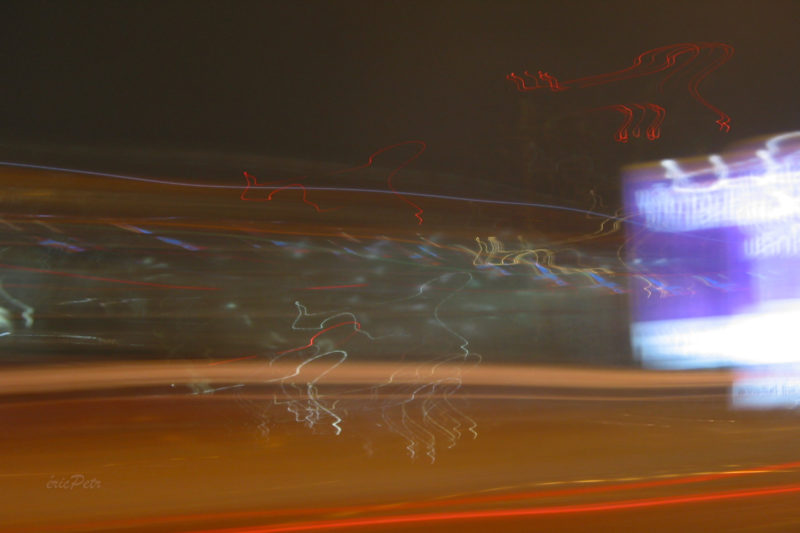
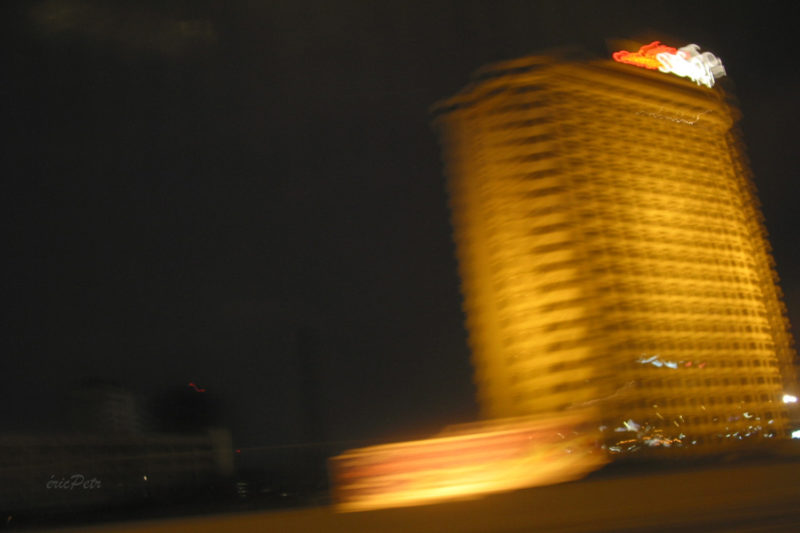
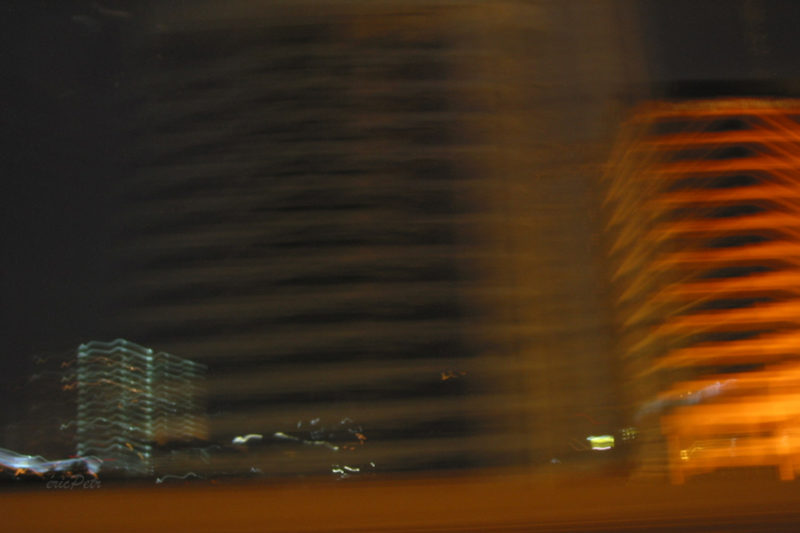
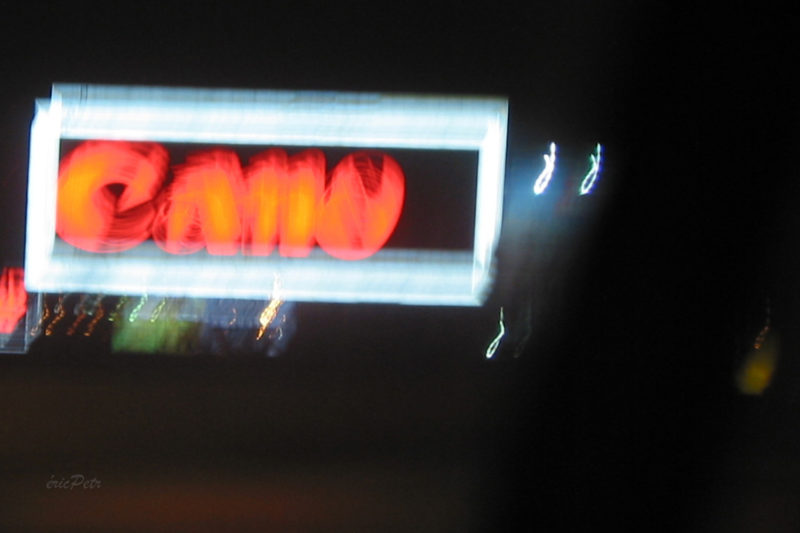
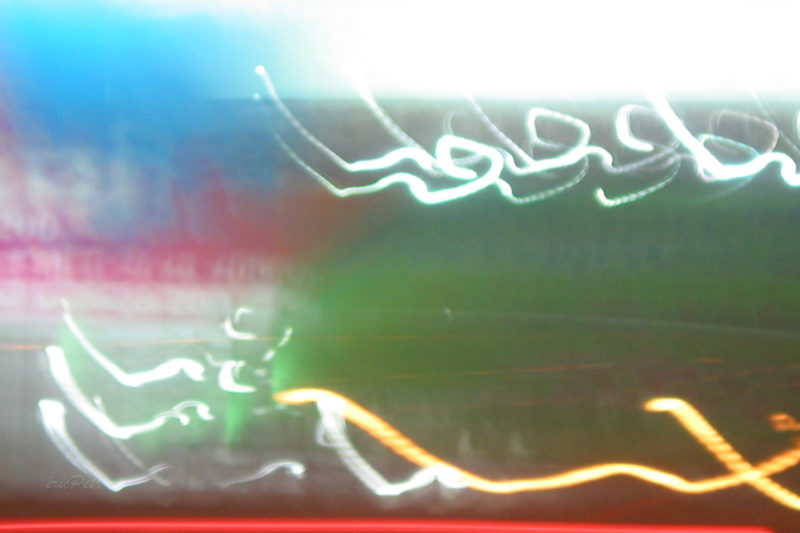
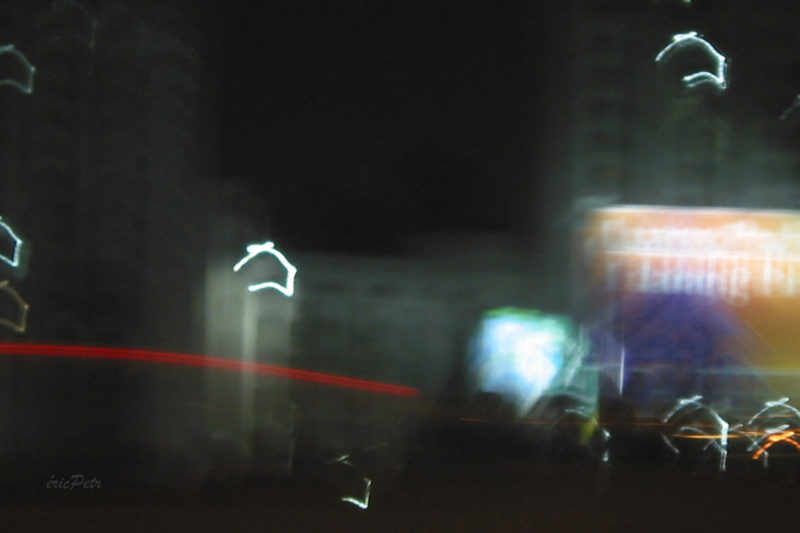
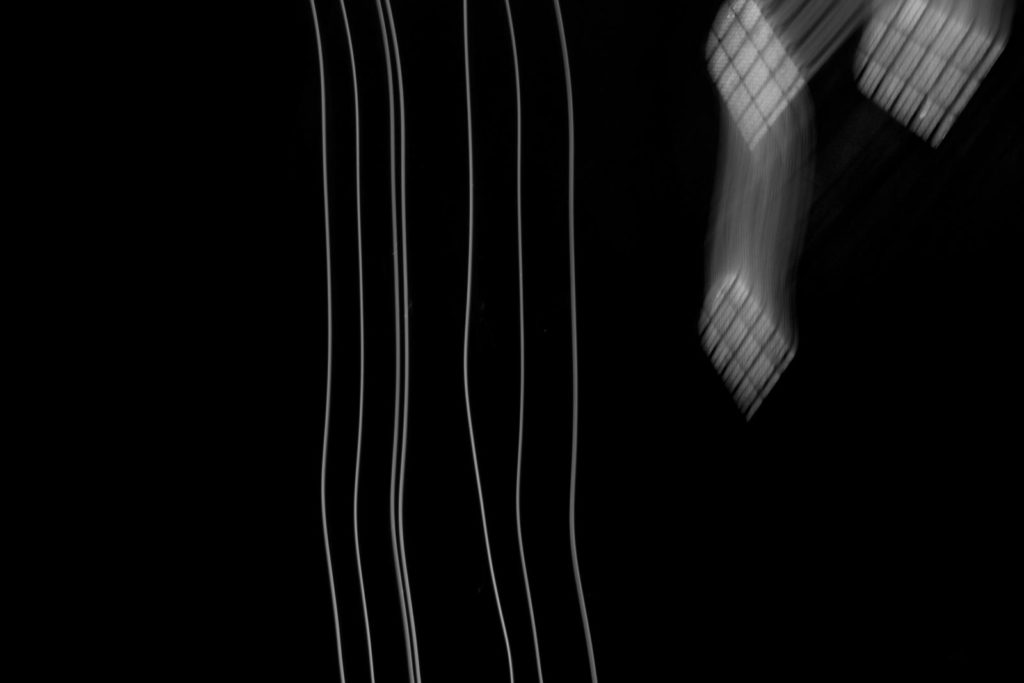
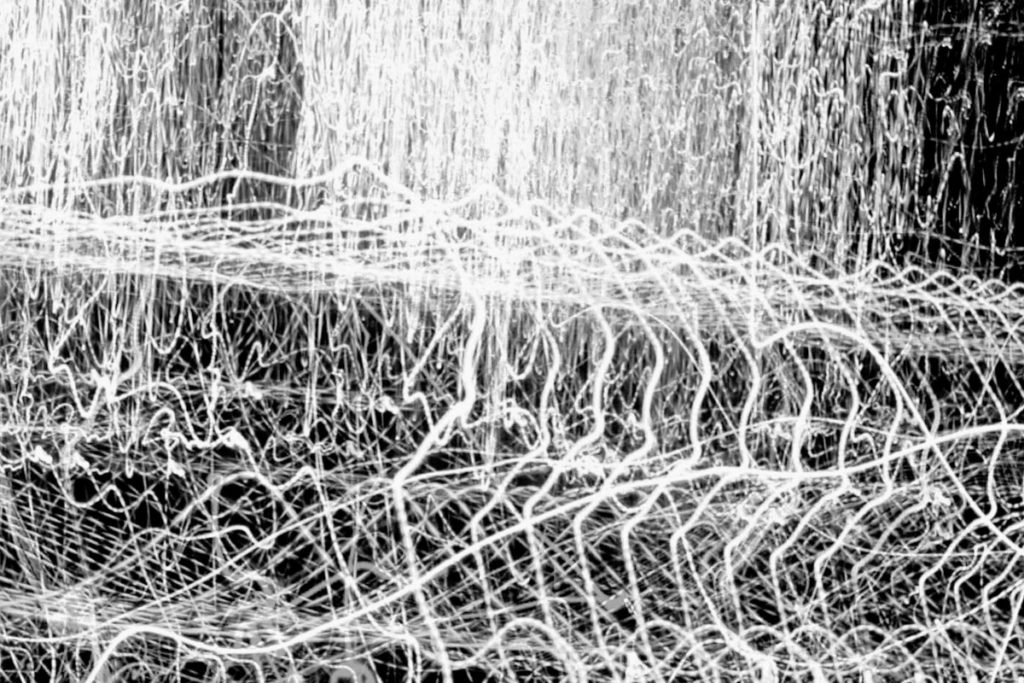
The three images I’m presenting today from 2005 are highly representative of my style. My photography not only uses light as the primary constituent of the work, but is also distinguished by its ability to capture the subtlest details of a scene or place, transforming visible objects and magnifying their secret perception. Through this gaze, each image becomes a kind of visual poem, where the invisible takes shape, and the viewer is invited to discover a world all his or her own, while remaining connected to the universal human experience.
These images from my Hong Kong by night series, taken in February 2005, attempt to reproduce the ineffable atmosphere of Asian cities, bringing with them what will become my signature as a photographer, that aspect of dense, poetic luminous matter, that dreamlike atmosphere and that feeling of timelessness. Although these images were taken twenty years ago, their power makes us forget the poor quality of the digital camera used at the time, which remains a feat.
My photographic work will continue uninterrupted within the framework of this reflection on light, movement, space and time. I have named this photographic process to define it: “in situ kinetic photography” or “photographie cinétique in situ”.
This work continues today with my Variations de Lumière but also, and always, with 光 (Hikari), Métamorphoses or my Spirituelles Odyssées which gave rise to the publication of a numbered and signed book in 2016, by Corridor Éléphant, Éditeur de photographies contemporaines.
This work on light and movement, which I began to disseminate on social networks in 2010, remained largely unknown to photographers and the general public. My numerous publications gave way, little by little, to a photographic trend that other photographers, in turn, took up and developed on their own, then named in the years 2015 “Intentional Camera Movement”.
I’m happy to be one of the very first investigators of this photographic movement, and to name but a few who preceded me, Kōtarō Tanaka (1905-1995), Ernst Haas (1921-1986), and also my contemporary Alexey Titarenko (b. 1962), who for his part worked specifically on crowds in motion.
I personally see myself as a photographer who has concentrated all my work and efforts over the course of my life on this principal reflection of the moving image, creating a totally unique style.
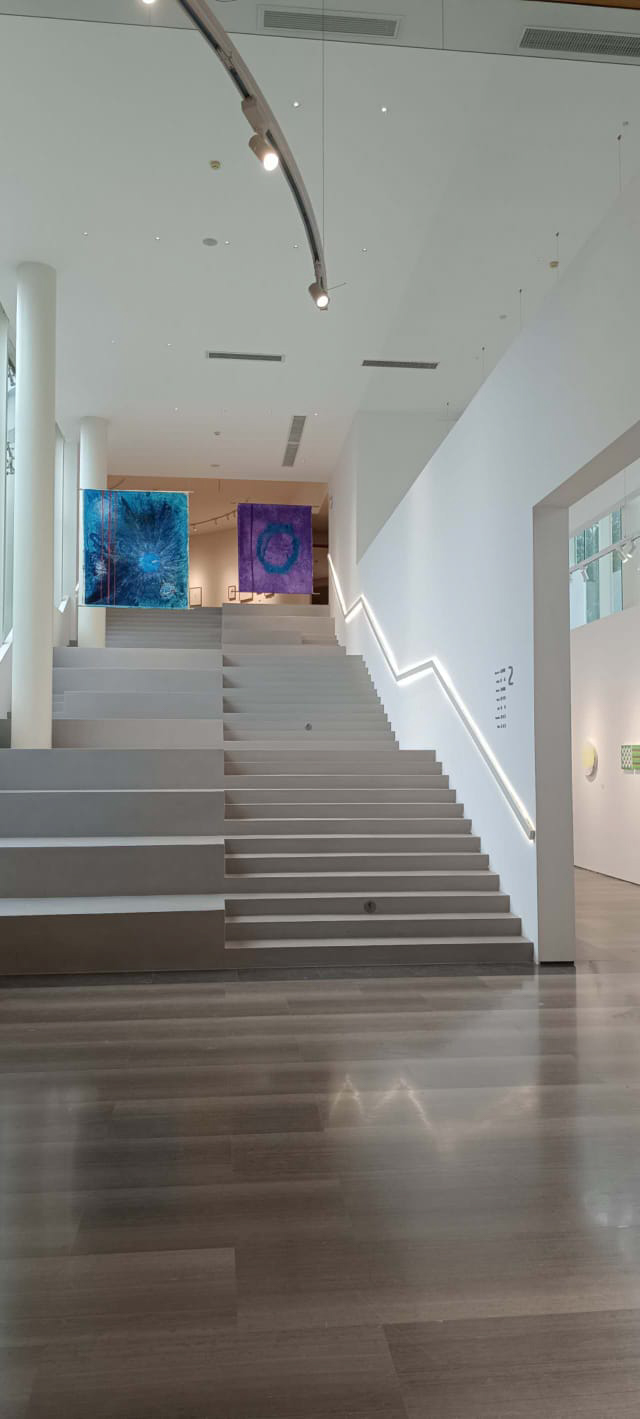
About the G-Lake Art Gallery at the Guihu Museum of Art・桂湖美术馆
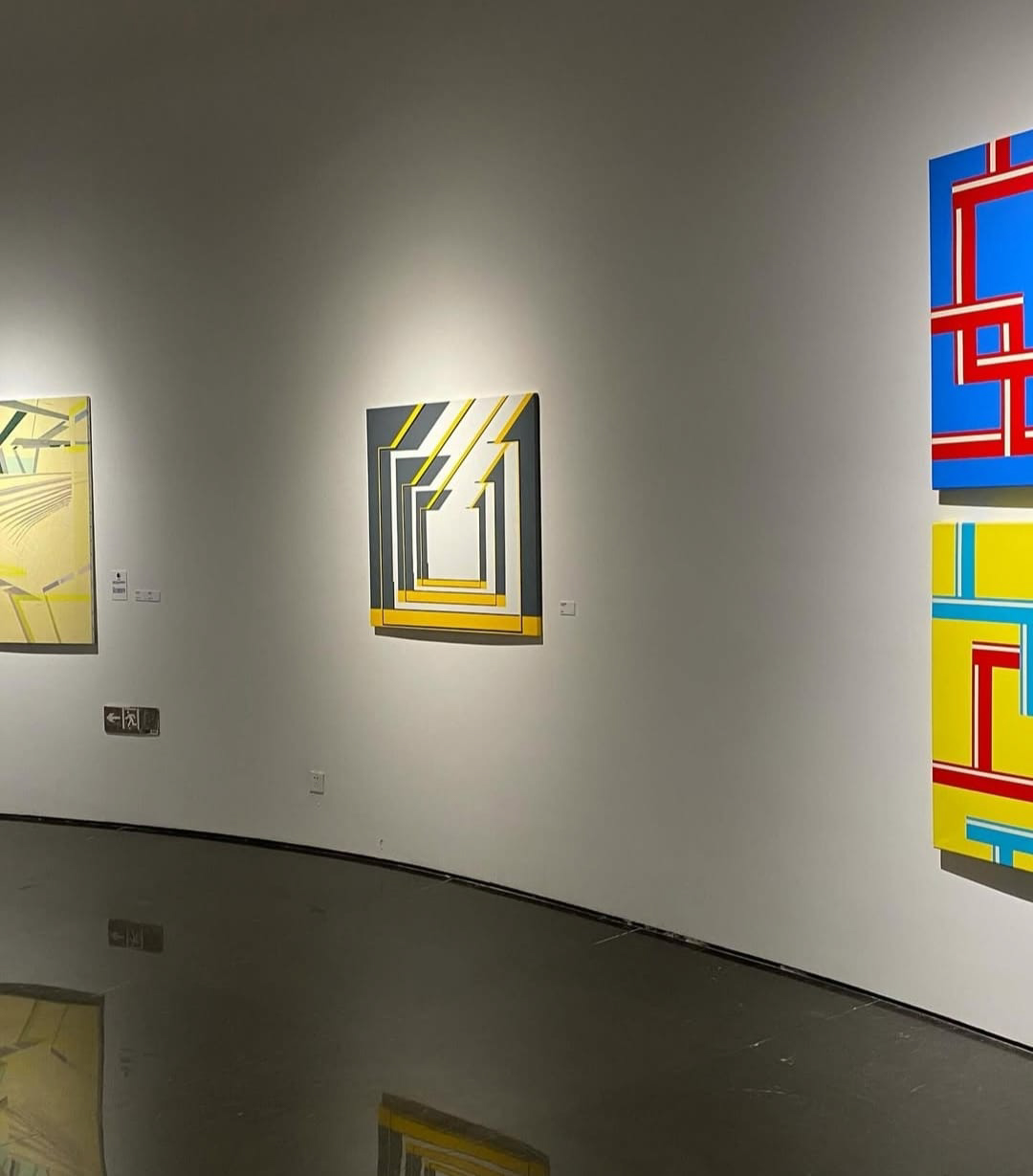
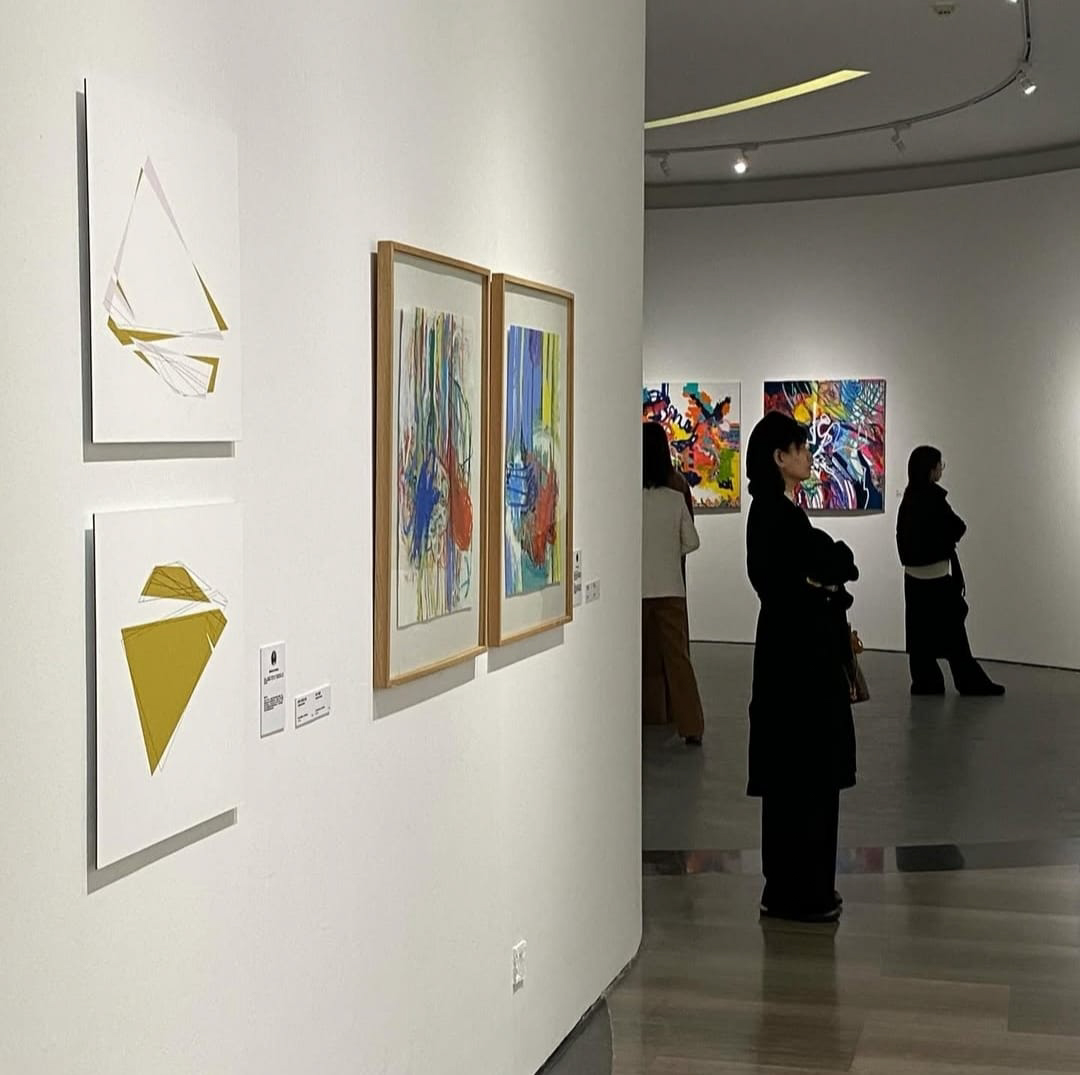
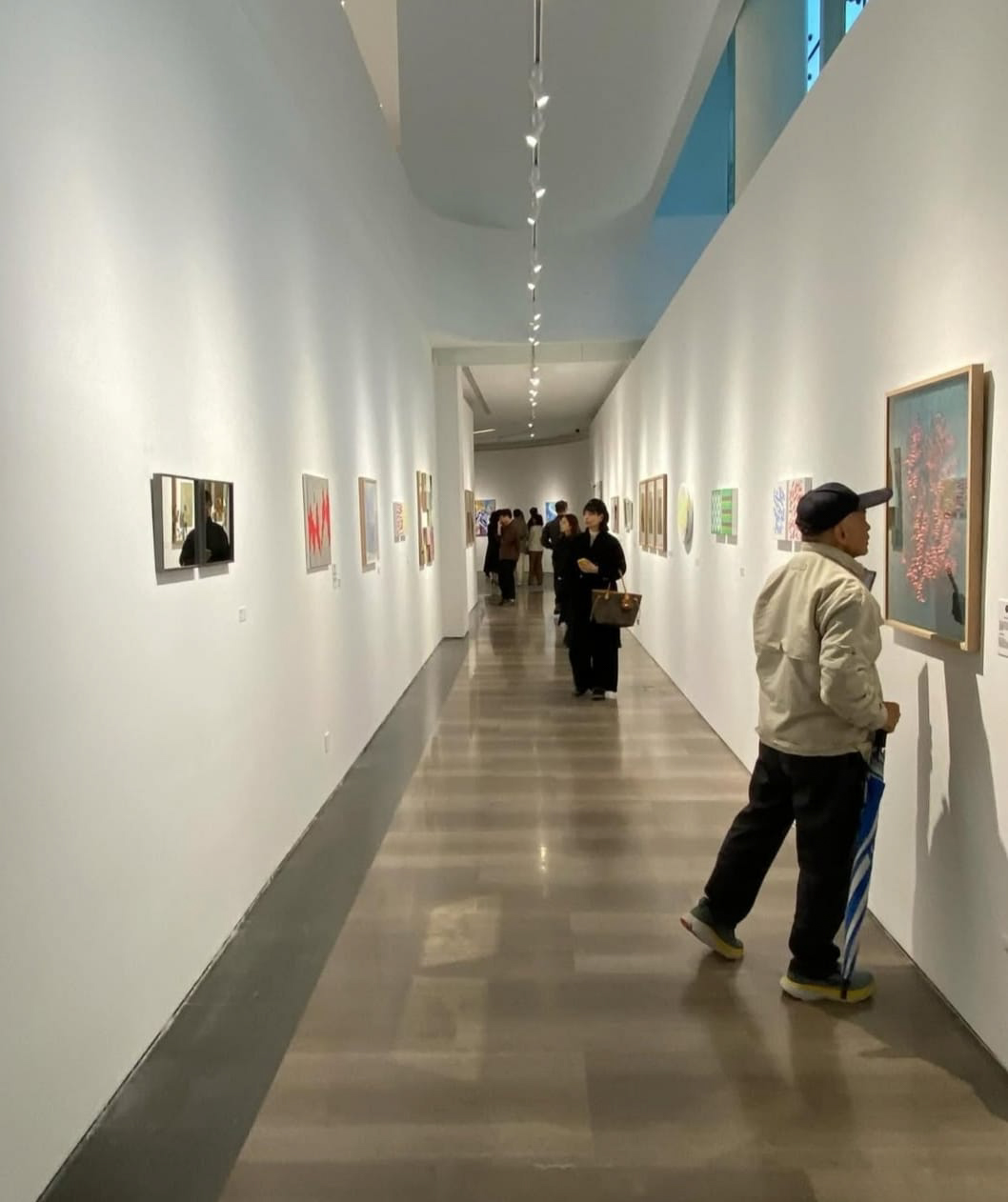
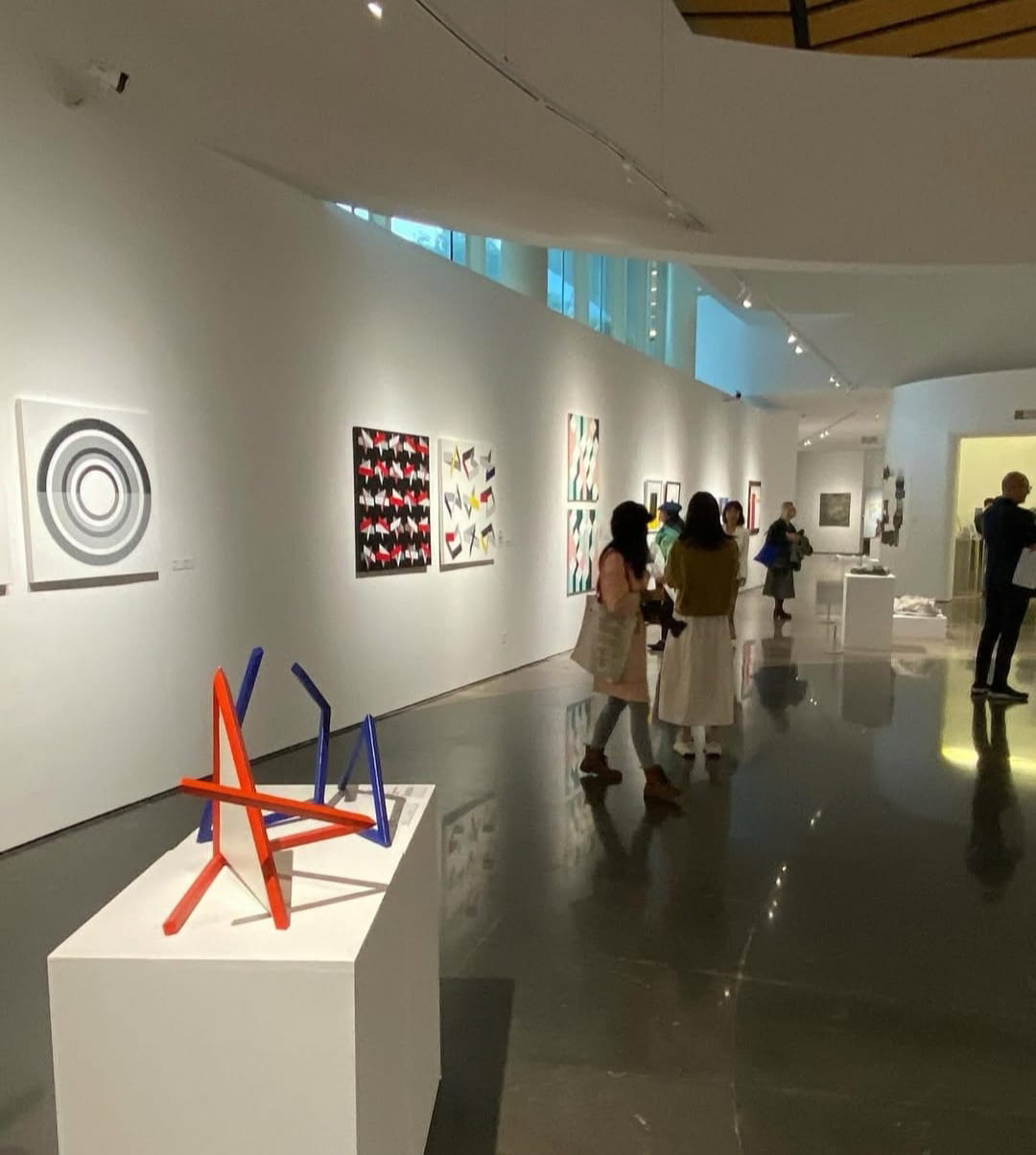
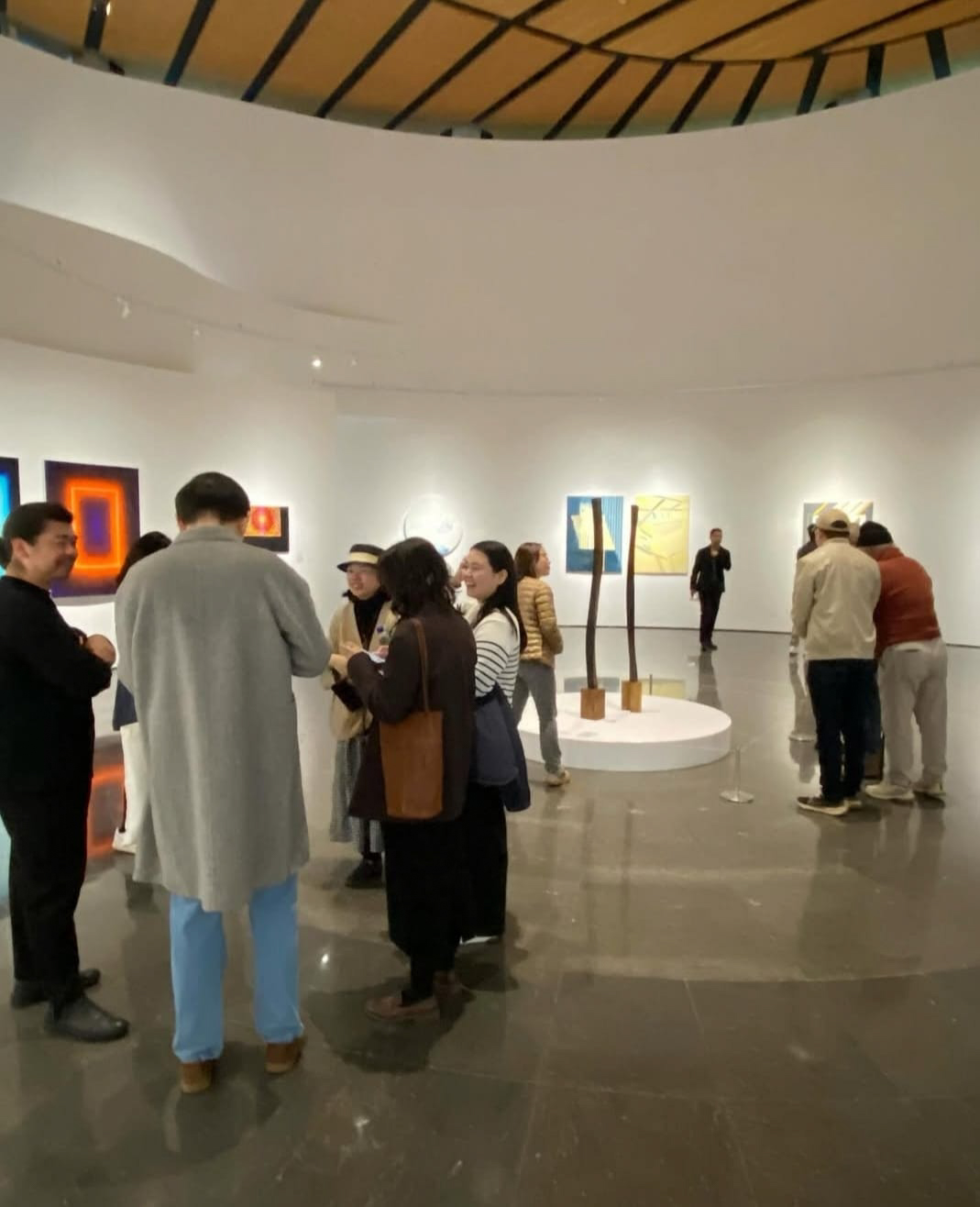
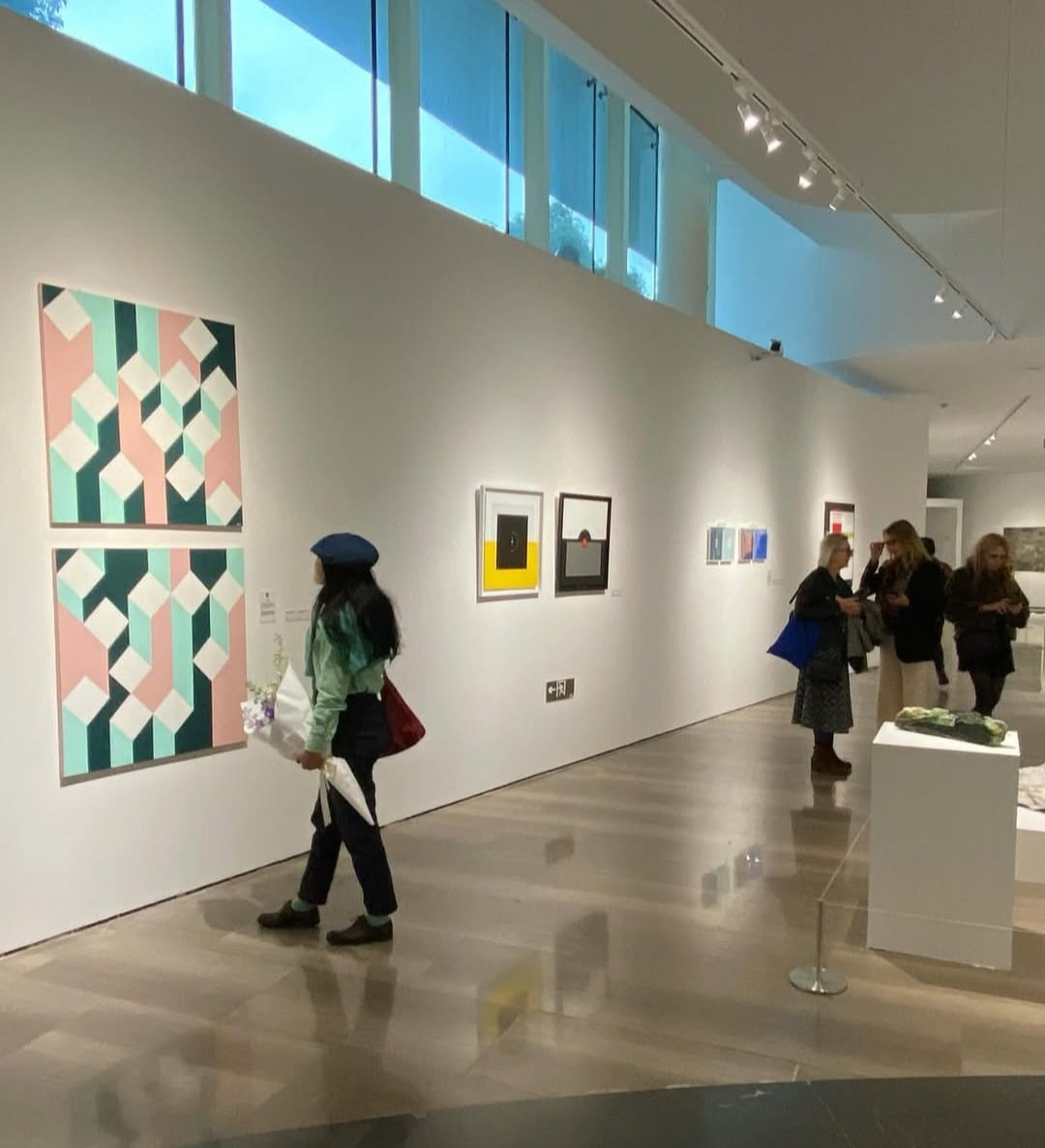
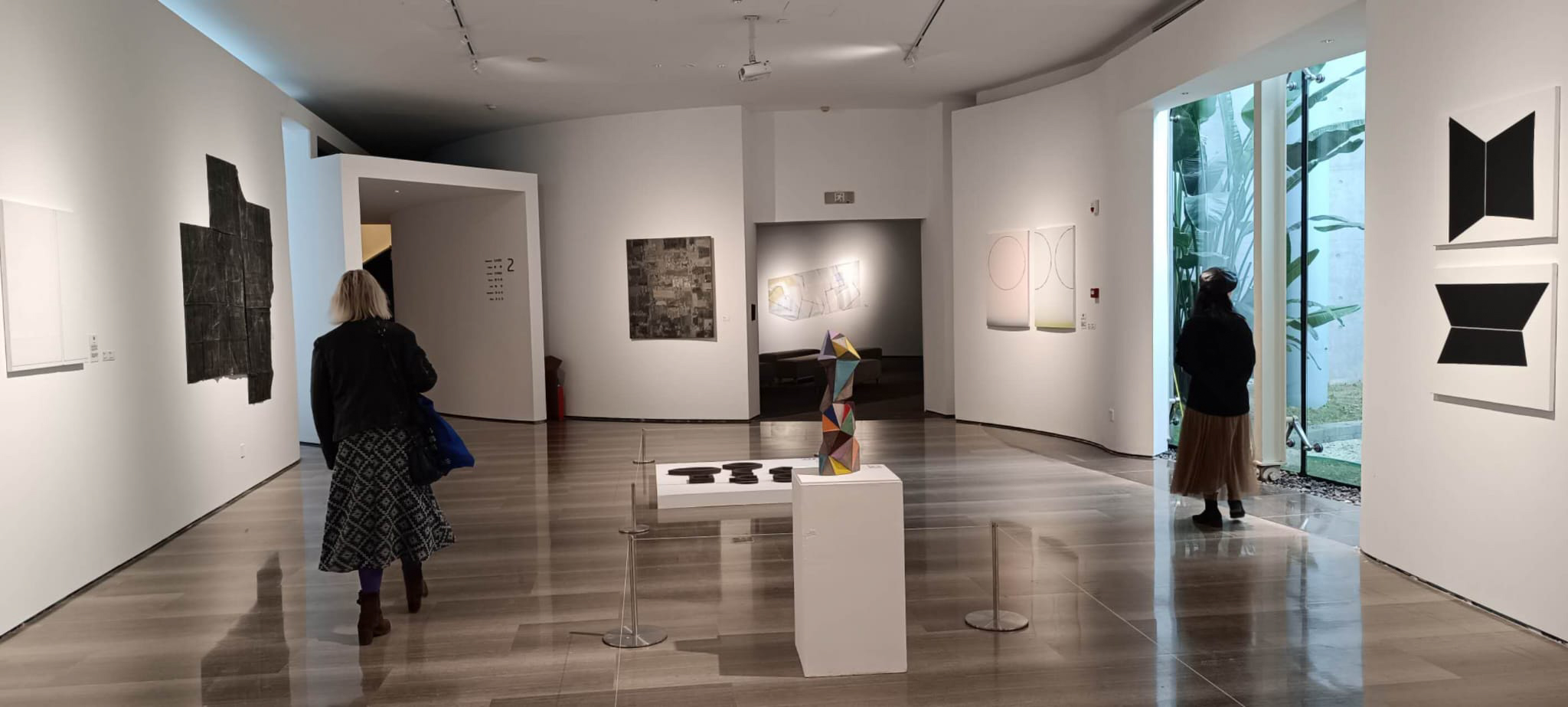
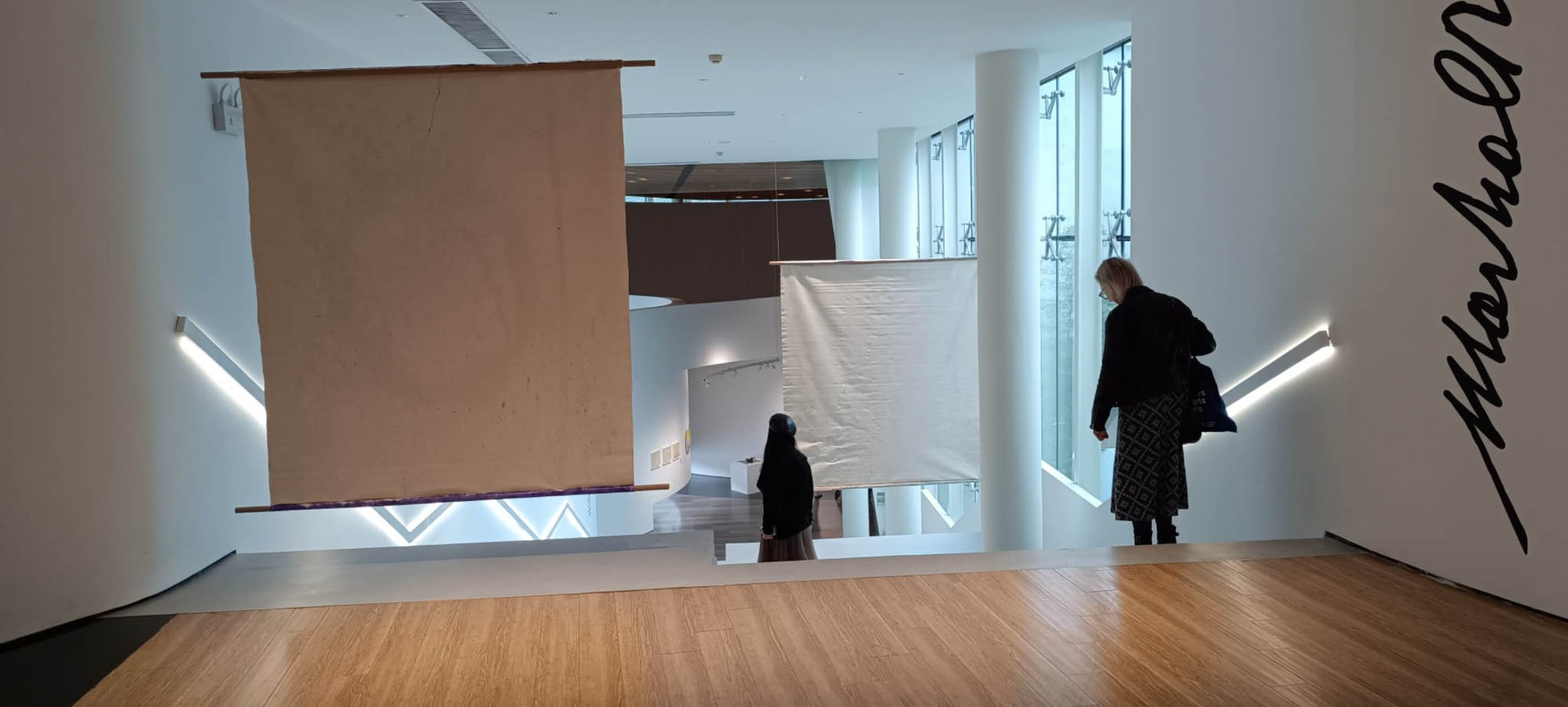
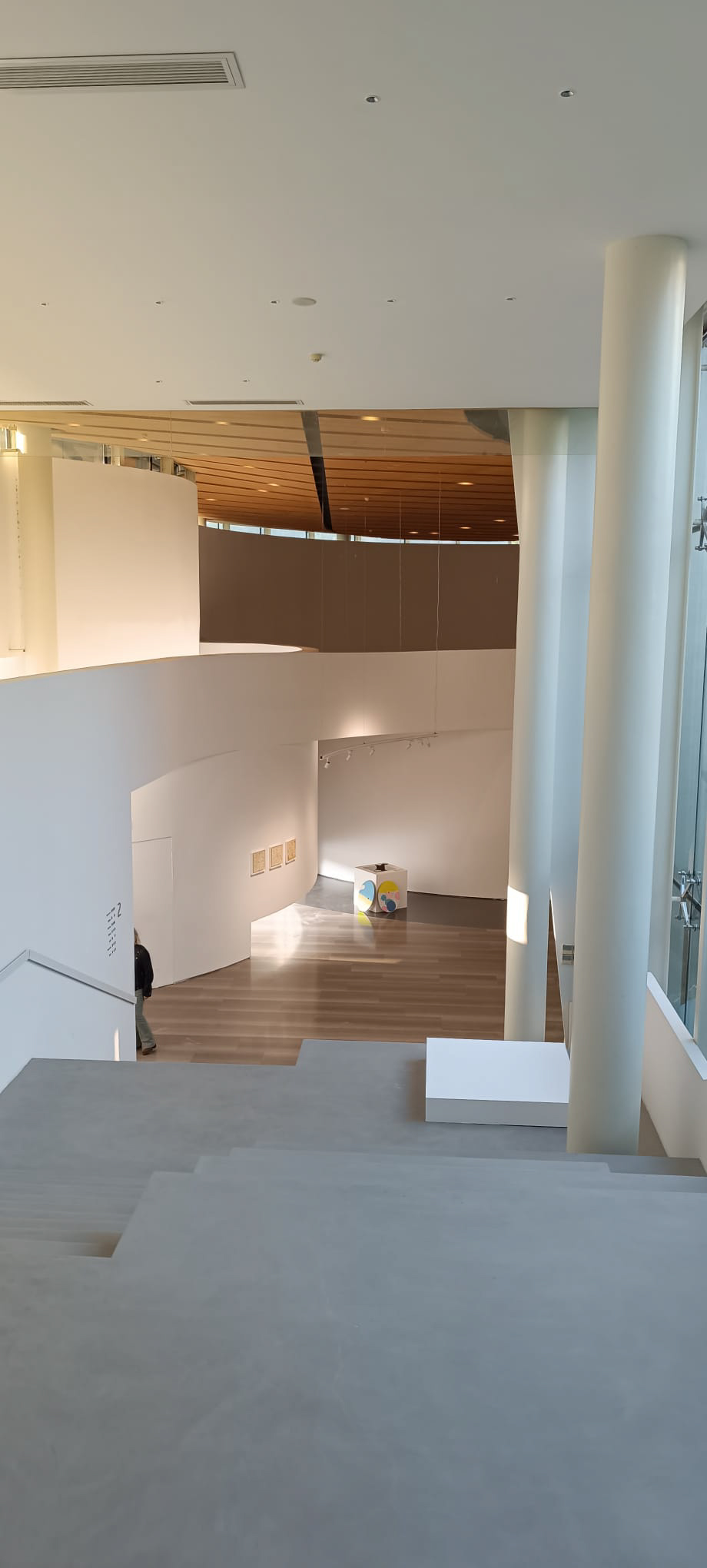
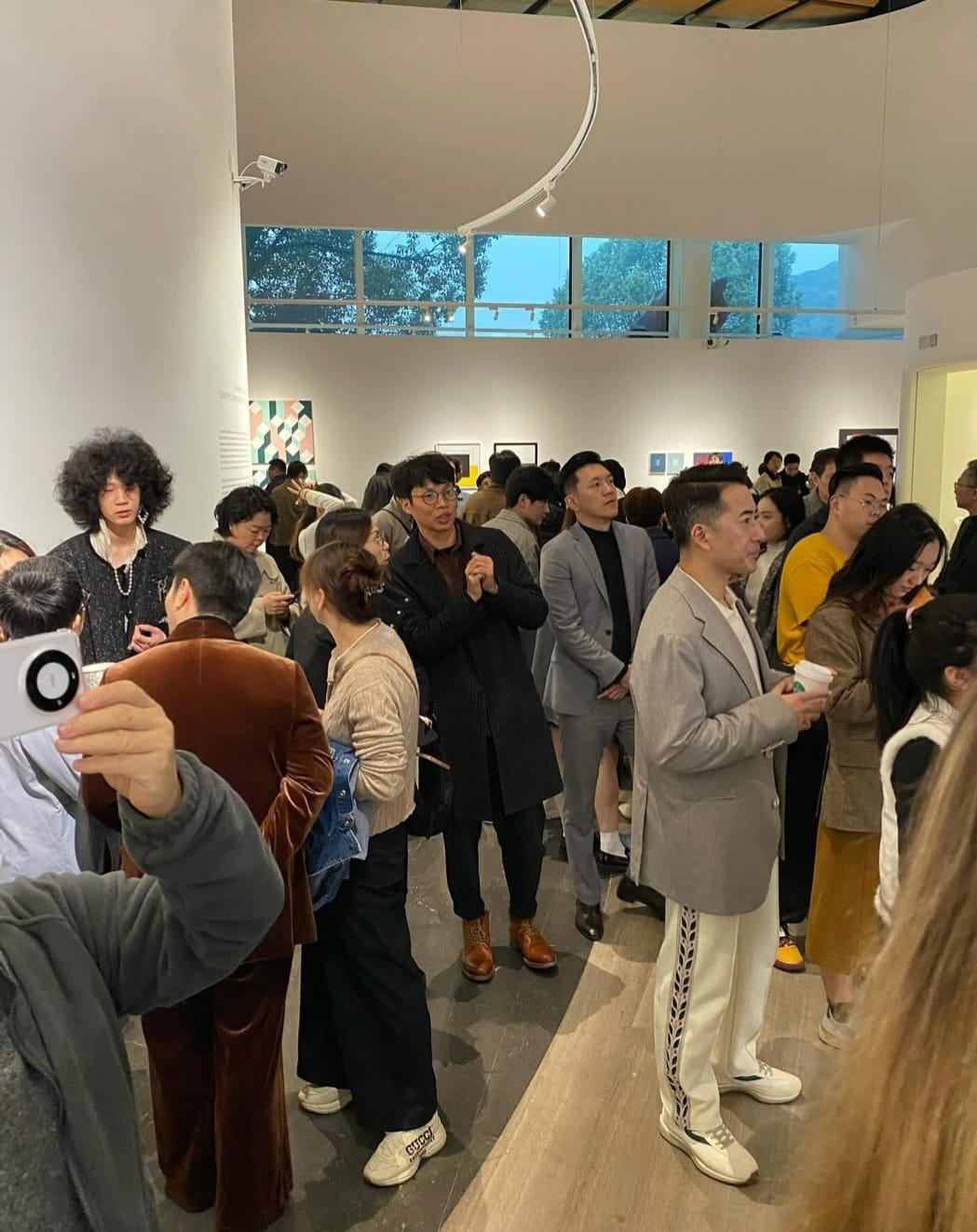
The Guihu Art Museum is located in Fuzhou, the capital of Fujian province. It is committed to exploring the connotation of local Fujian culture in depth, and to presenting various academic research and artistic practices in a variety of exhibition formats. In addition to the exhibition, the Guihu Art Museum will also organize various special lectures, salons, workshops and literary fashion activities, and is equipped with independent libraries, public classrooms and cafés.
The art museum has long supported Fujian’s new generation of artists and cooperated closely with local art lovers and cultural and rural groups. It has also regularly invited art groups, artists, curators, designers and writers from outside Fujian province and around the world to make resident creations in Fujian. At the same time, the art gallery will also actively promote cultural exchange across the Strait.
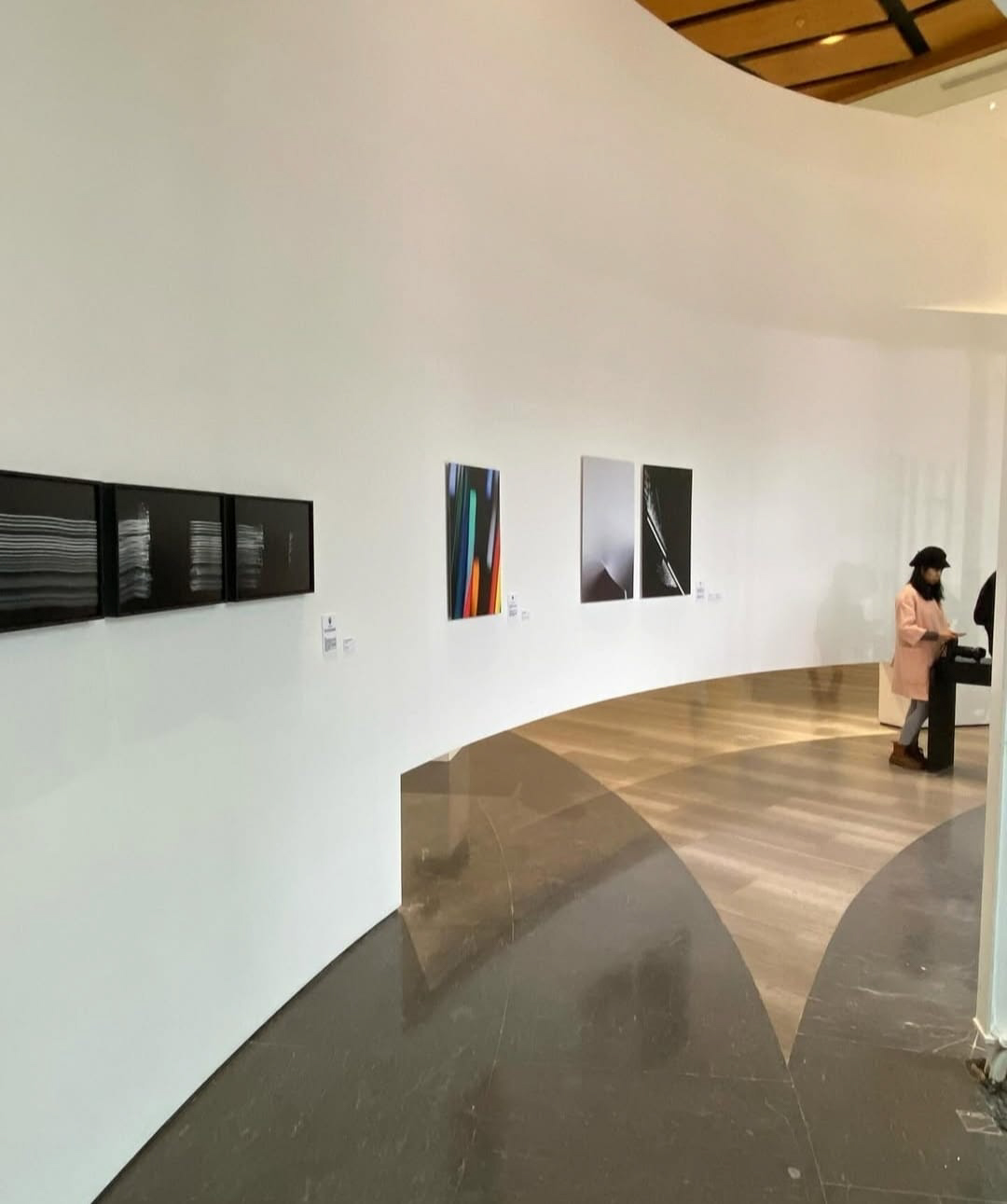
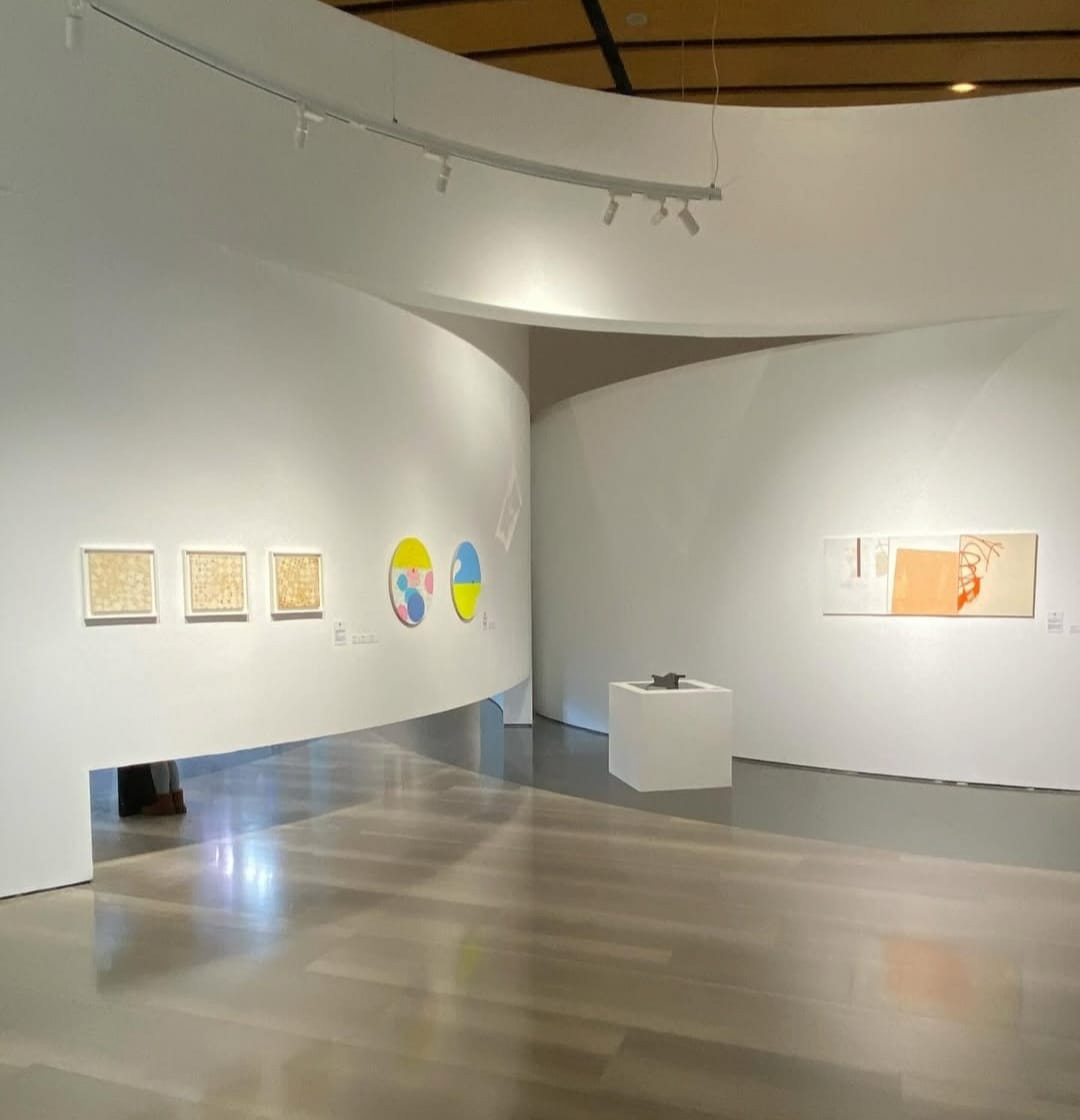
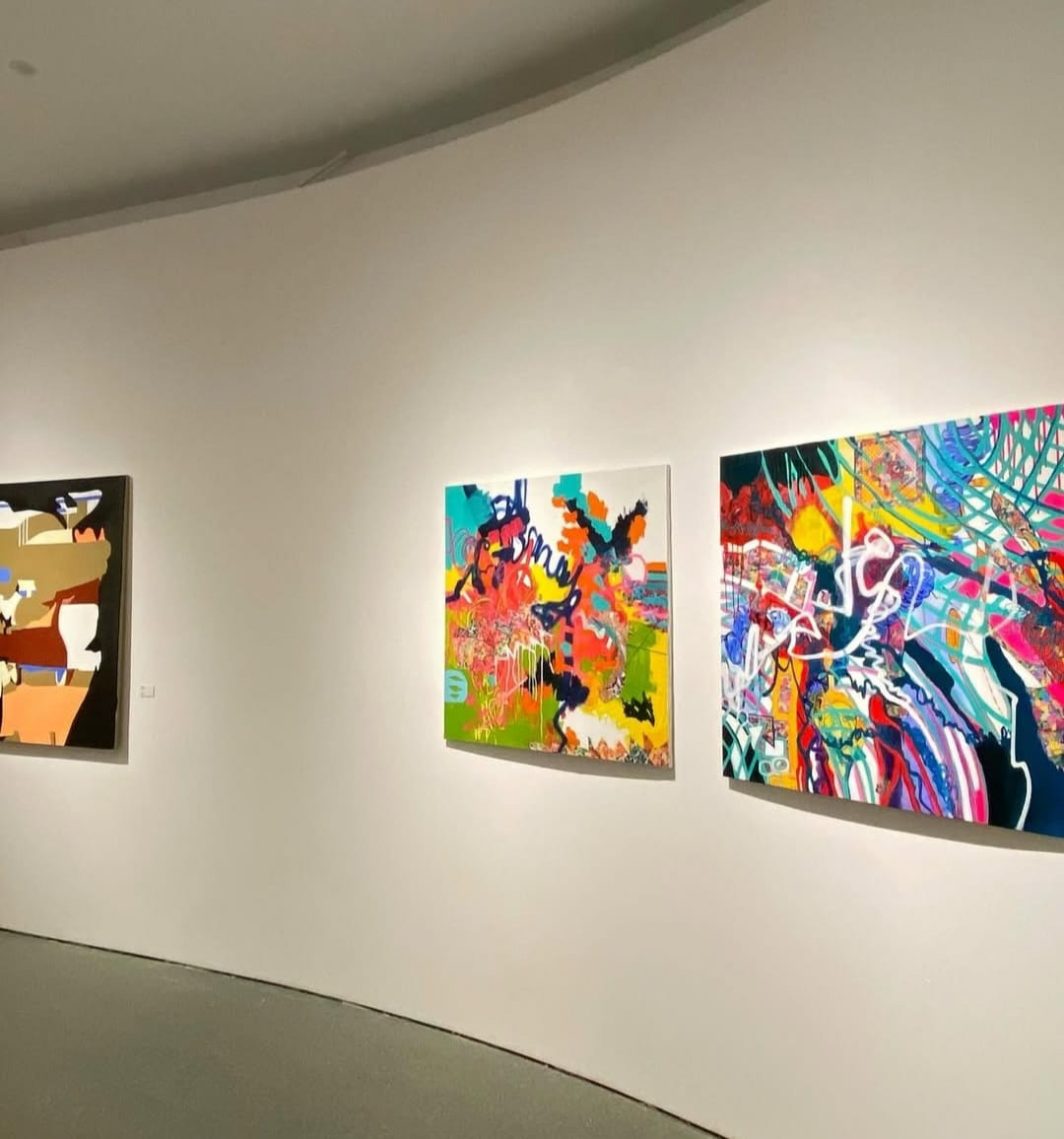
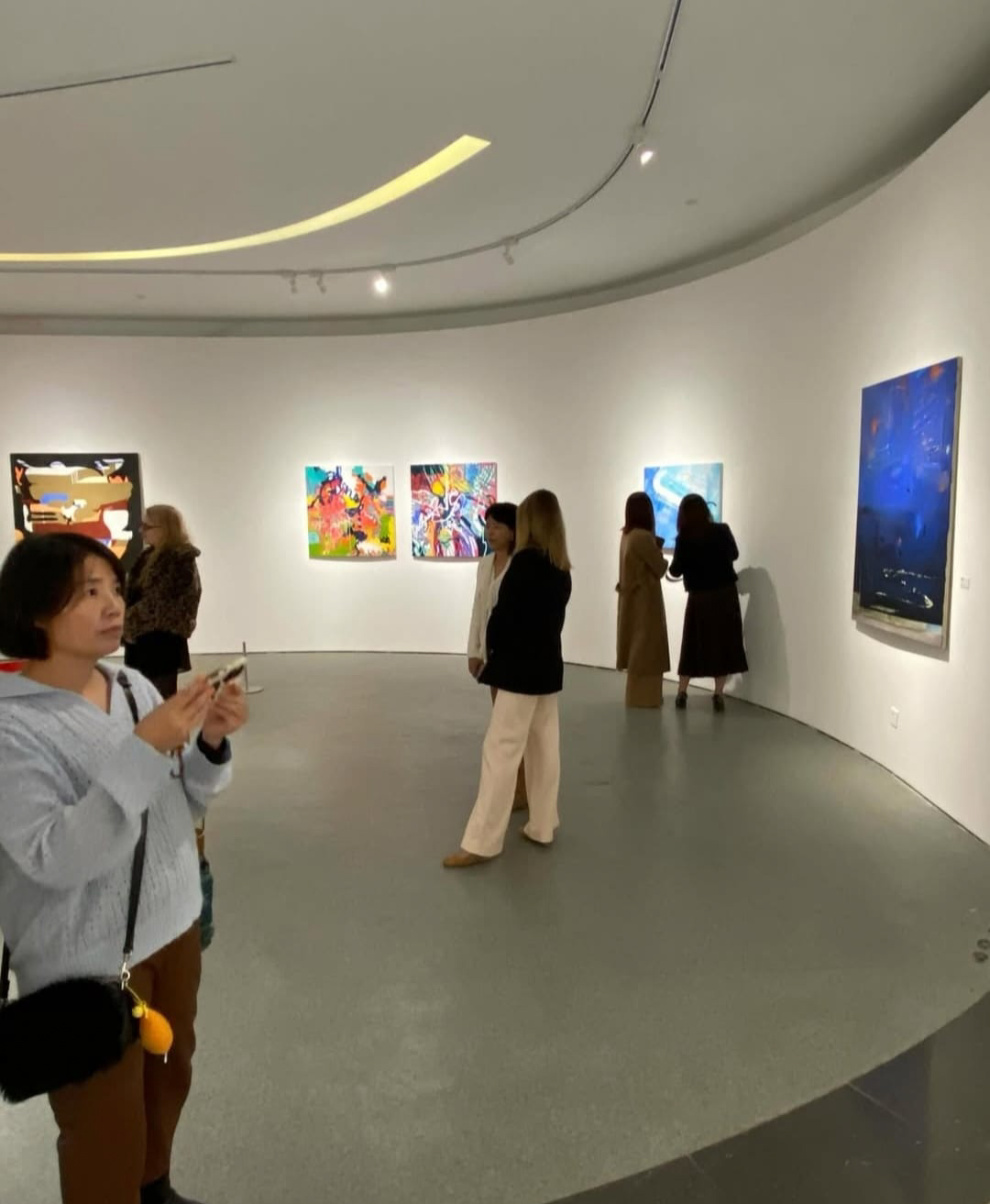
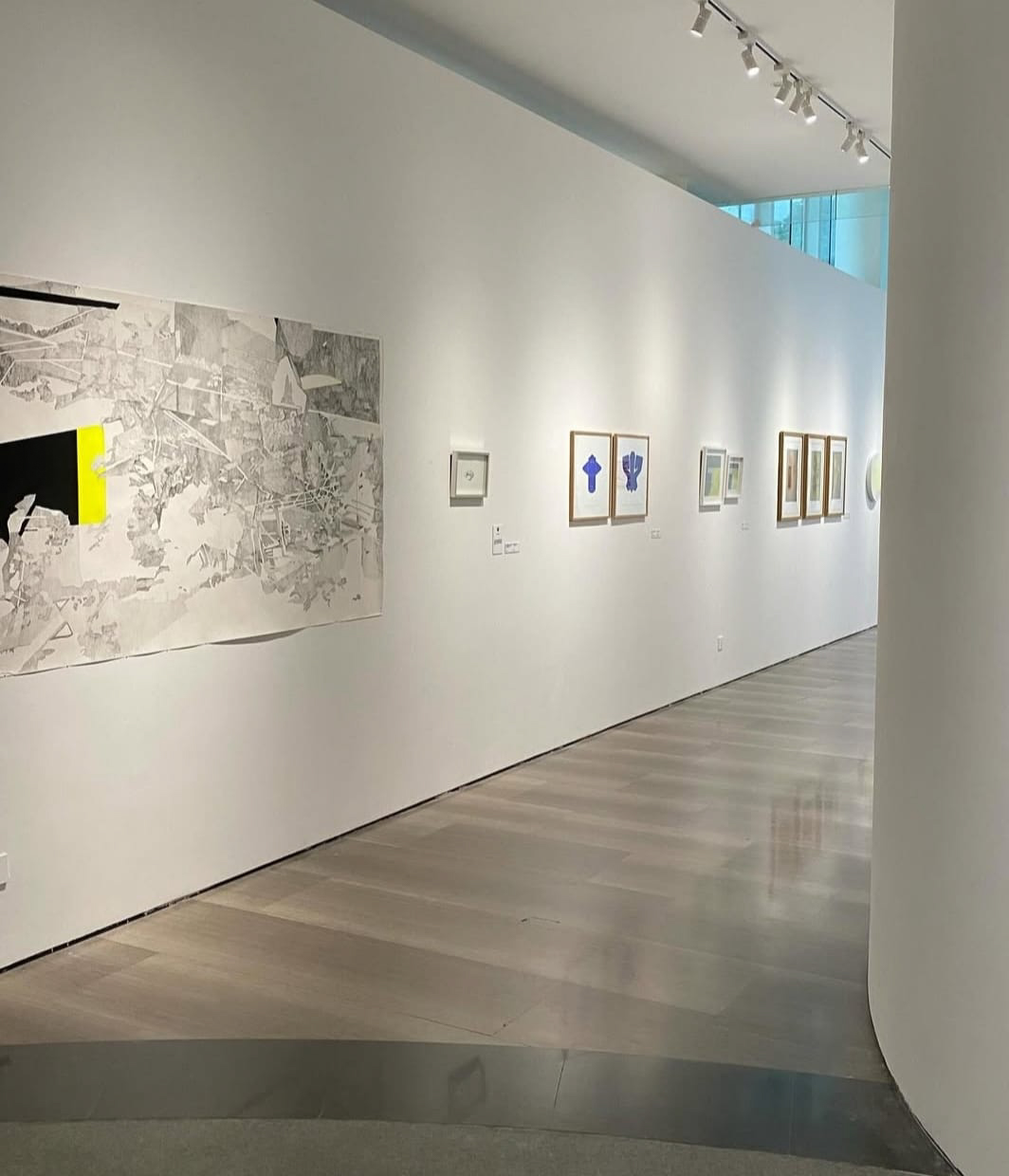
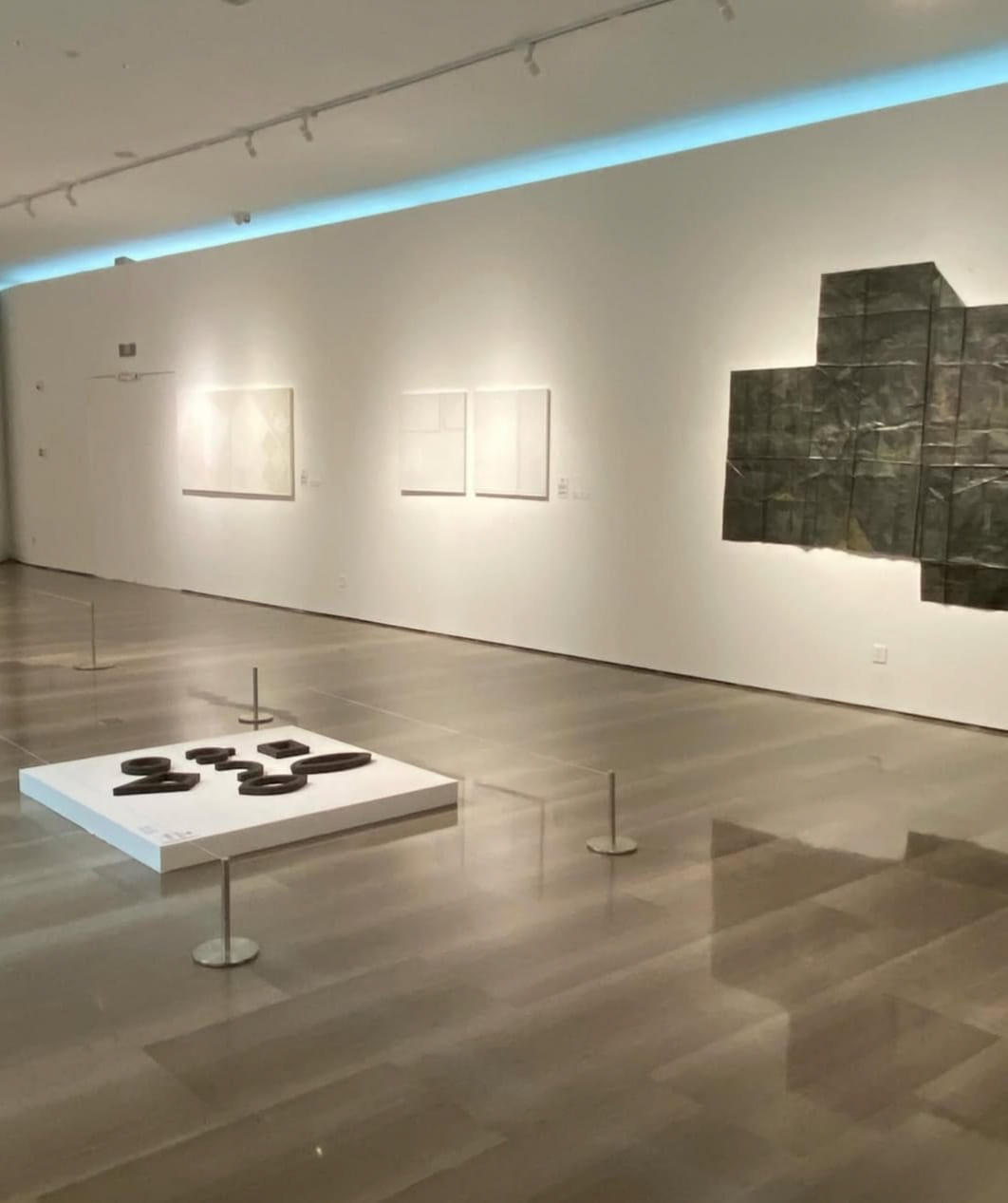
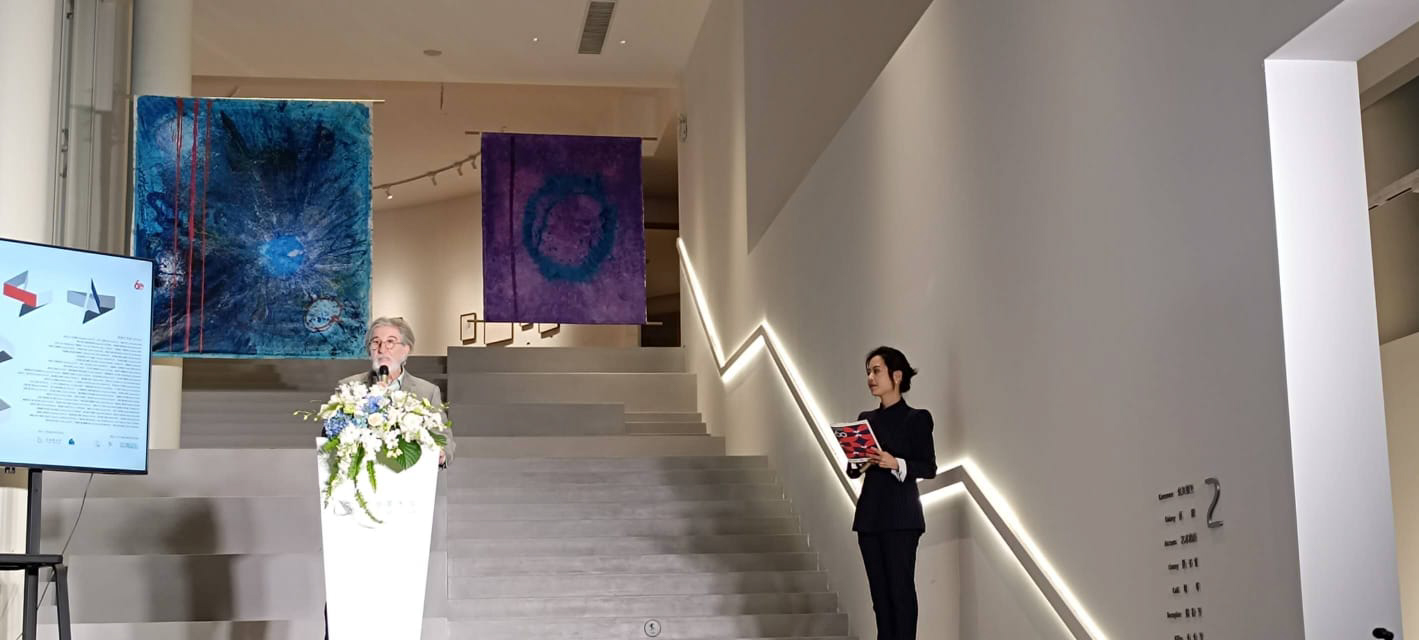
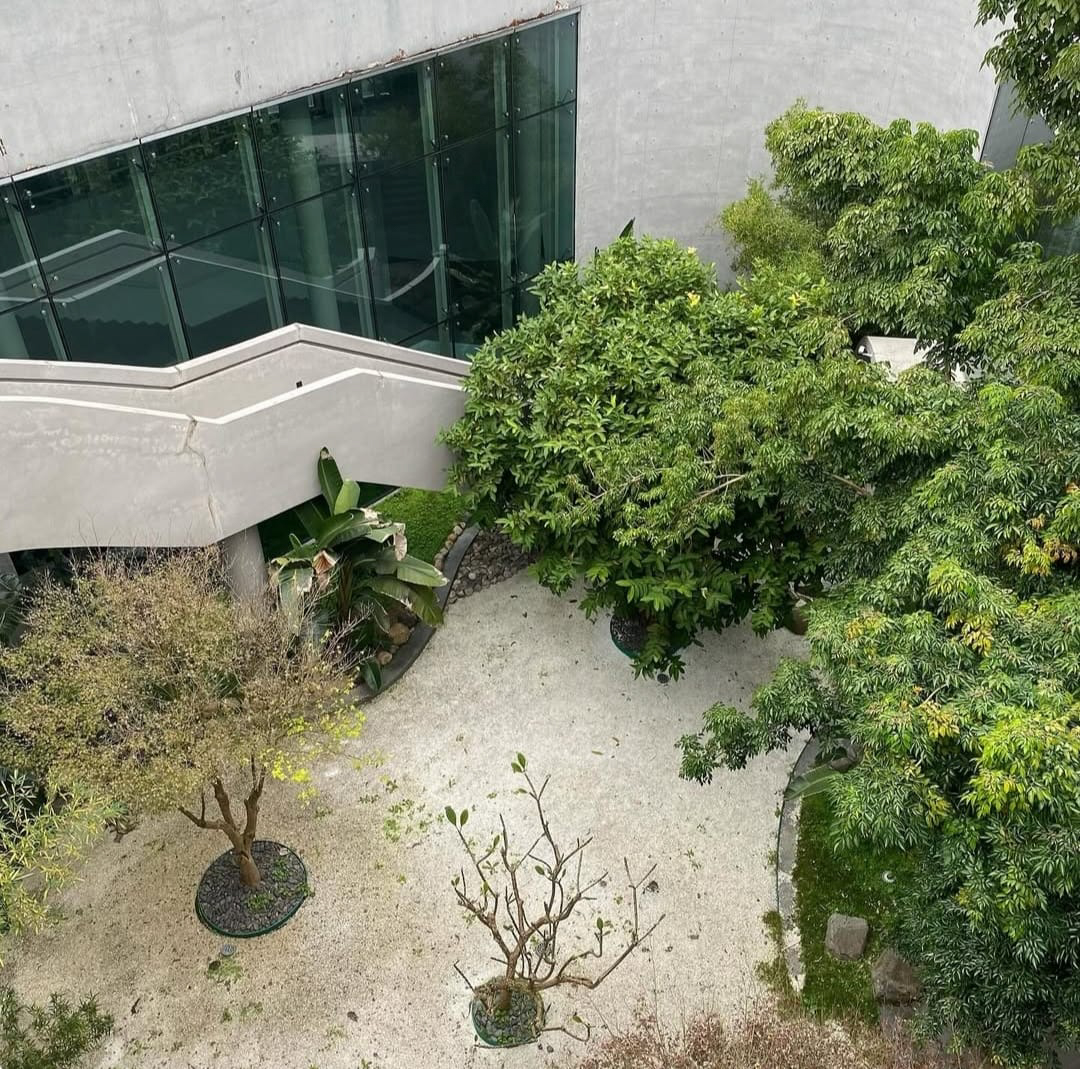
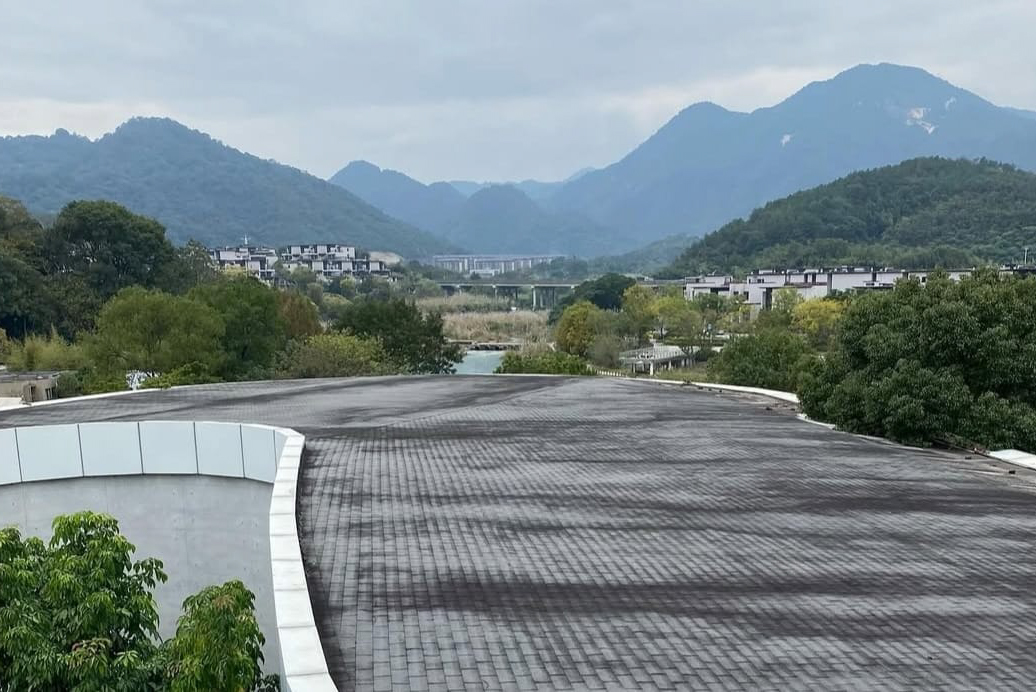
Images and architectural presentation of the Guihu Art Museum
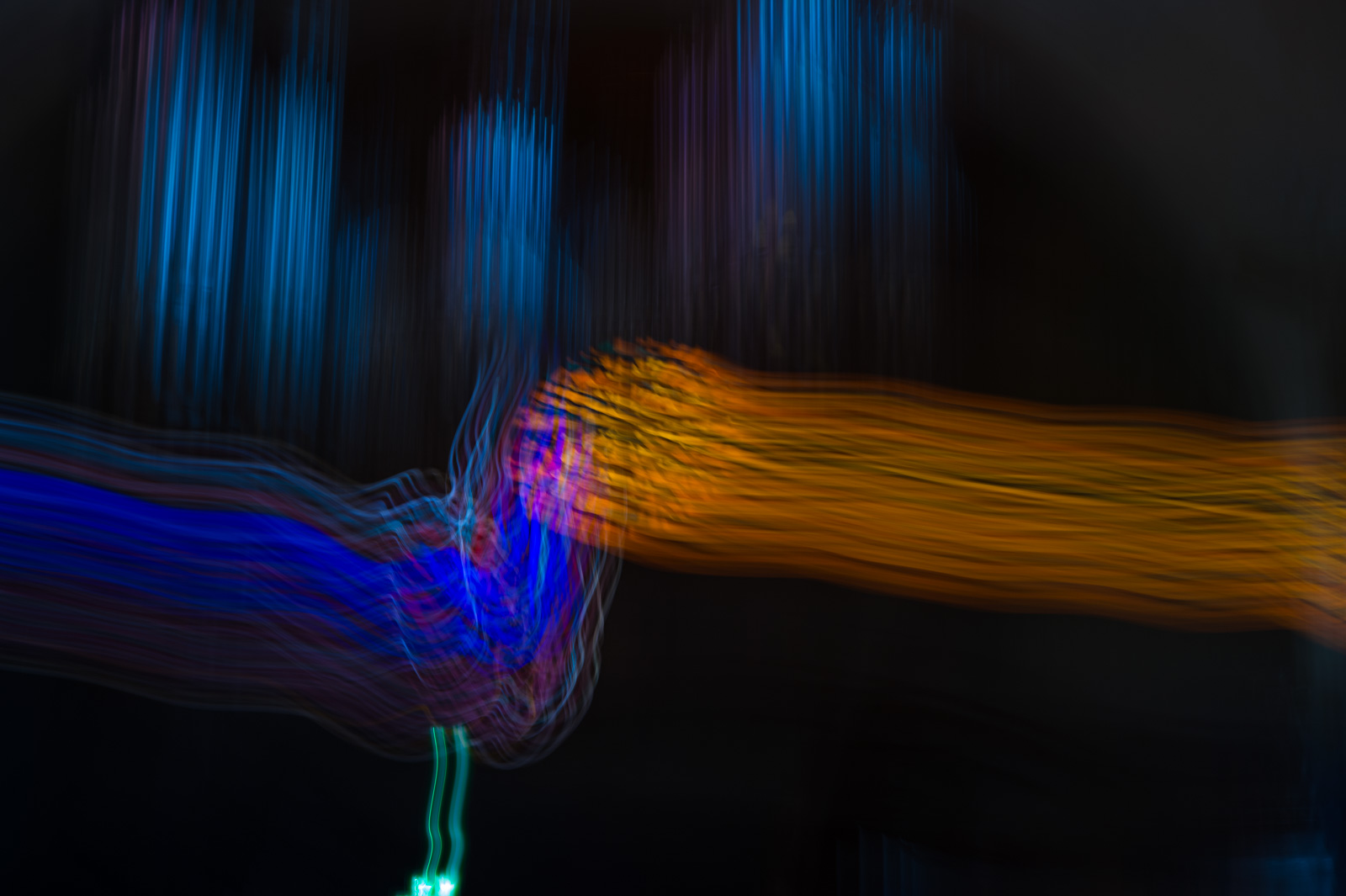
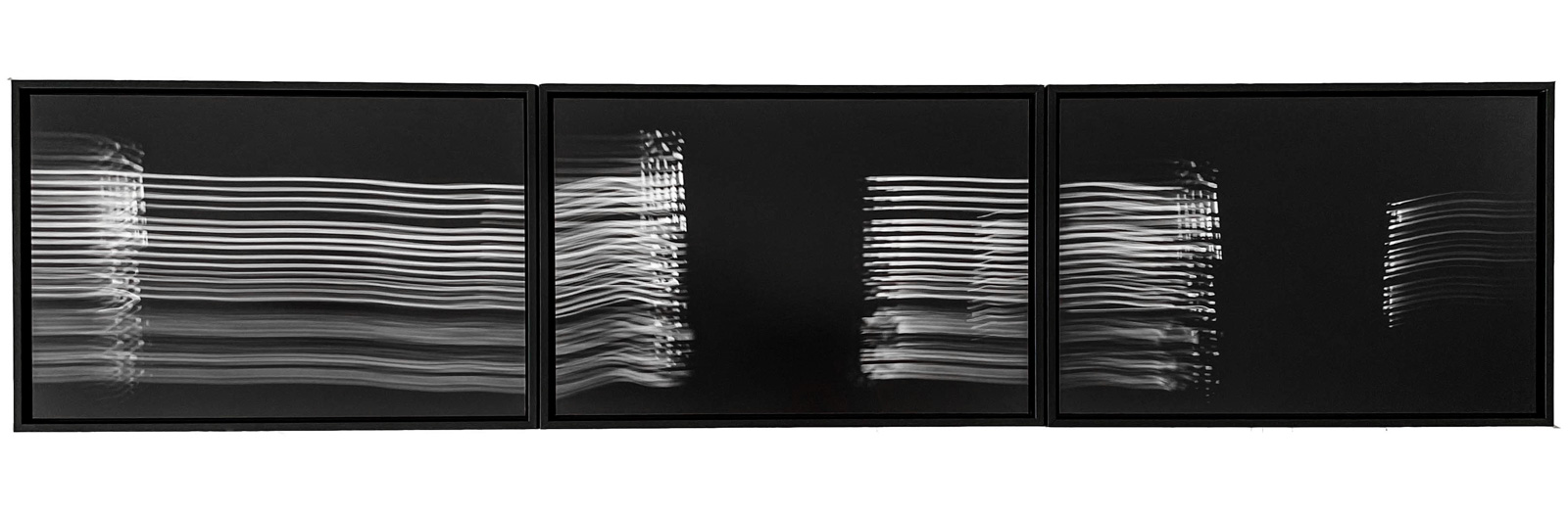
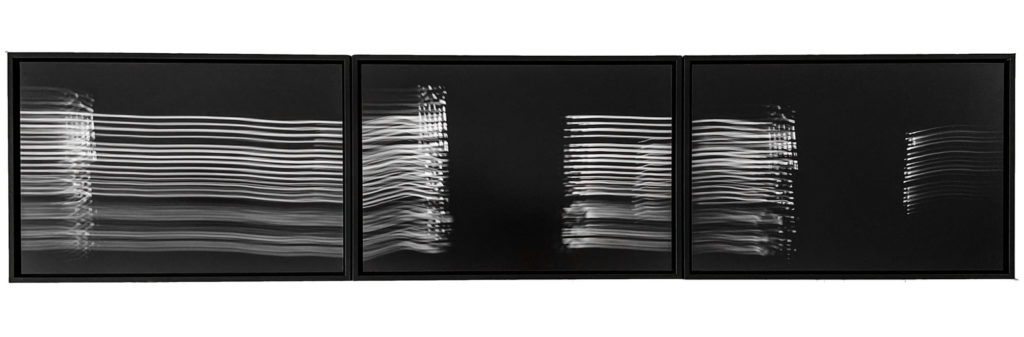
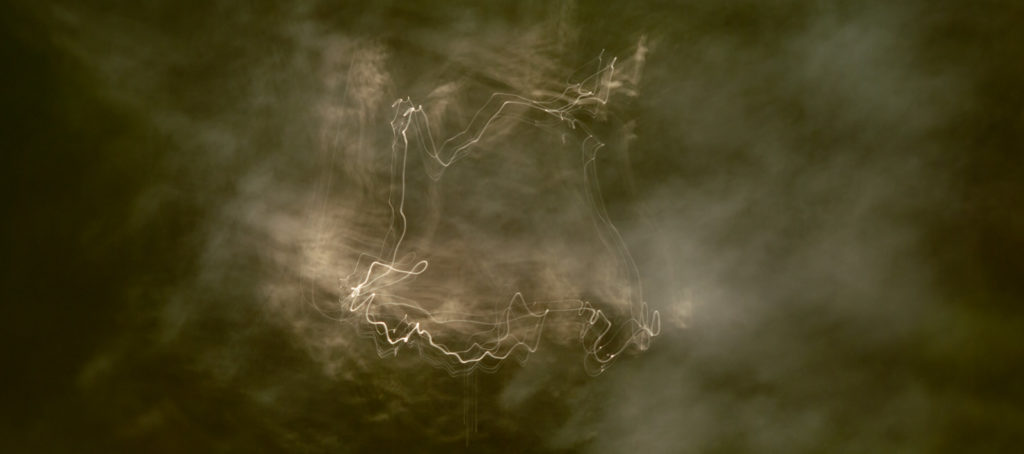
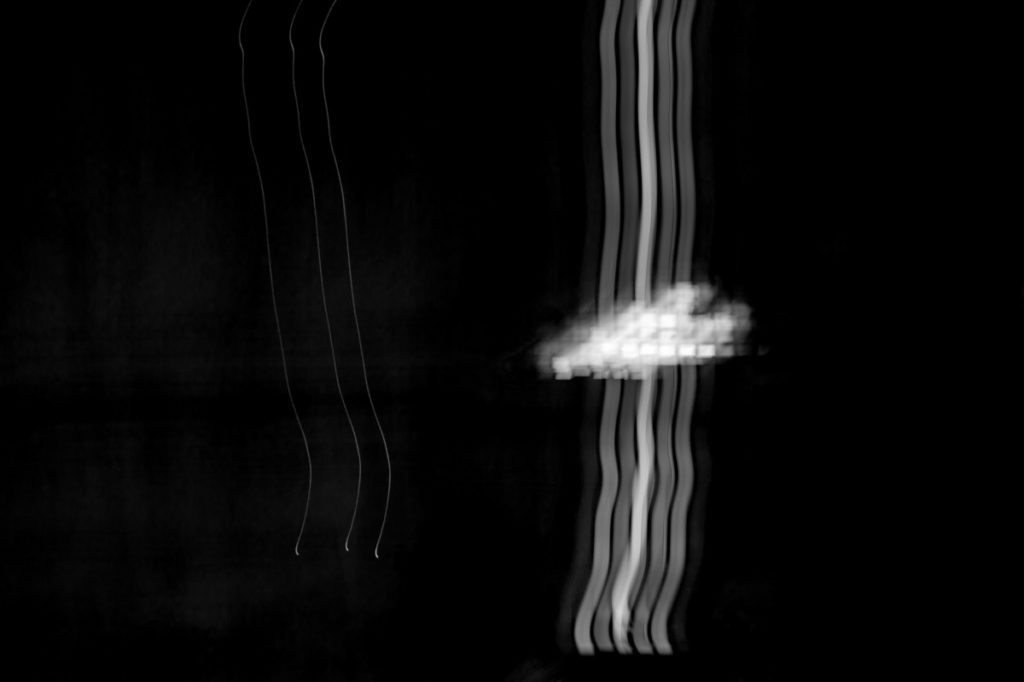
VARIATIONS DE LUMIÈRE OPUS 5 Photographic triptych 2021 (33x150cm) Copy #2/3 (+1 EA)
This opus is a continuation of a reflection on the essence of light and its effect on the perception of Being in its immediate or cosmic environment.
Light fascinates me by the duality of its state, at once corpuscular and undulatory, but also for everything that makes it our perception of the world.
My ” Variations de Lumière “, arranged by opus, present images born of my observation of light, revealing the gap in perception between the photographed reality and the photographic record.
It’s a metaphor, but I’d say that the medium of photography is particularly well-suited to this study, because the photons that strike my negative, materialized by impact points on the emulsion layer of silver halide crystals, or on the low-pass filter of a sensor, describe the corpuscular nature of light during the shooting phase.
Similarly, this material, used as a material, underlines the wave-like nature of light, when these impacts on the negative become oscillations on the paper.
From this observation of photons recorded at a moment ” T ” in their infinite course through the cosmos, at a precise point in the universe, comes this writing of light.
「 Éric PETR, born in the 60s, worked in the 80s, and later, in the early 2000s, on the image set in motion with an artistic intention using a camera.
This technique was named several years later “Intentional Camera Movement”, taken up by the hashtags #icm or #icmphotography and is today widely taken up by many talented young photographers.
Following the dynamics of several photographers and visual artists who preceded him, such as Kōtarō Tanaka (1905-1995), Ernst Haas (1921-1986), and Alexey Titarenko (born in 1962) of his generation and a few other experimentalists, PETR in turn experimented with this artistic path mainly between 2003 and 2015. Unlike his peers, he made it the heart of his photographic work.
For about ten years, PETR has created a movement and a technique that allow him to serve his intention and his research work on light. This technique, which he calls [Insitu Kinetic Photography], is the basis of his work, and has allowed him to set up many works that he has experimented with, particularly in abstract photography or subjective abstraction photography.
PETR began his career as a professional photographer in 2013 after 20 years of photographic research. After having caught the attention of some contemporary art players, between 2011 and 2014 where he assembled a synthesis of his work on light on his Blog and Instagram, he began in 2016 to be revealed in some prestigious magazines, such as L’OEIL DE LA PHOTOGRAPHIE, to be exhibited at the SALON DES RÉALITÉS NOUVELLES and to be published by Éditions CORRIDOR ÉLÉPHANT with his first monograph “SPIRITUELLES ODYSSÉES”. Since then, PETR has chained publications and exhibitions in Paris, and in the World. 」
“in situ kinetic photography” first principle of a manifesto
I started practicing photography in 1983, and for ten years I had this idea of developing a research and aesthetic based on light, and the impact that light can have on our mind, our thoughts, and our perception of the universe.
I resumed this work in 2003, after taking a break from photography between 1993 and 2003. Nevertheless, my reflection on the image nourished this period of inactivity, which subsequently proved very rich and constructive for my photographic work.
Ten years later, in 2003, after thinking long and hard about the image, its role and its power, I continued my photographic work on light, as plastic or matter, with a fresh eye.
“Bangkok 2oo4” and other works from the same period show a body of work that drew inspiration from this time of reflection, introspection and maturation.
In this new era of digital imaging, this style of photography was not yet precisely named, but a decade later it was, under the name ICM (Intentional Camera Movement).
In the 20th century, some photographers devoted part of their work to this technical aspect of motion photography, such as, to name but a few, Kōtarō Tanaka (1905-1995), Ernst Haas (1921-1986), and Alexey Titarenko (b. 1962), who worked specifically on moving crowds.
In the early 2000s, my work on the moving image, with the idea of painting with light on my film or sensor, is very contemporary in approach, and remains on the bangs.
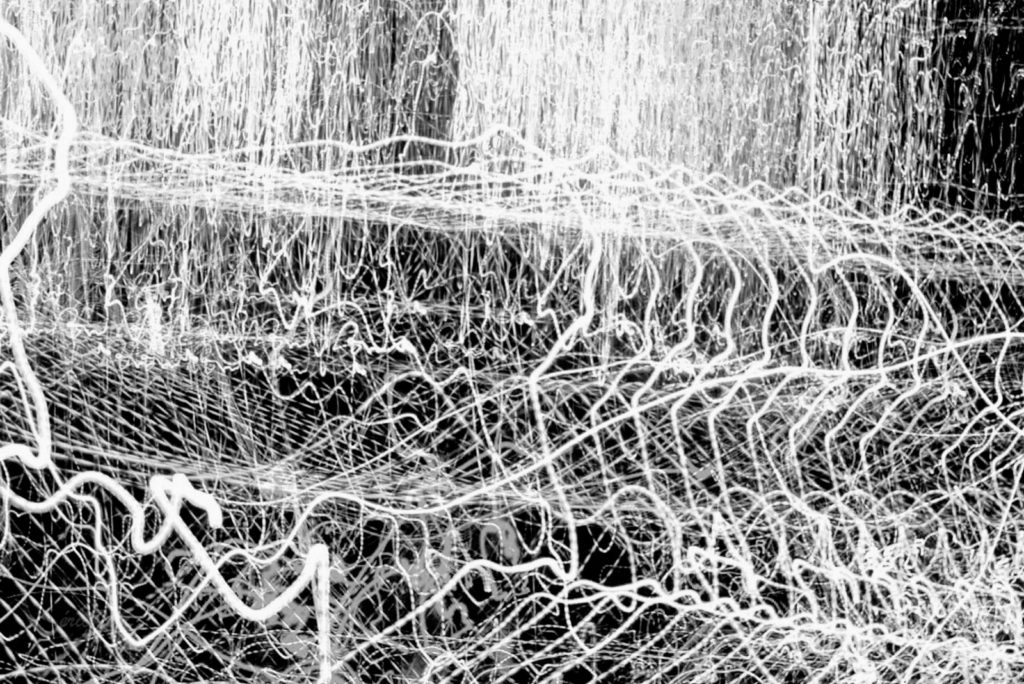
My work, which is based on the principle of intentional movement, has now evolved to bring a broader field to the ICM, which I call “in situ kinetic photography”. “In situ kinetic photography” brings a wider field to the “intentional camera movement” and takes into account different axes and planes, in situ, for the same exposure that oscillates from a few seconds to a few minutes.
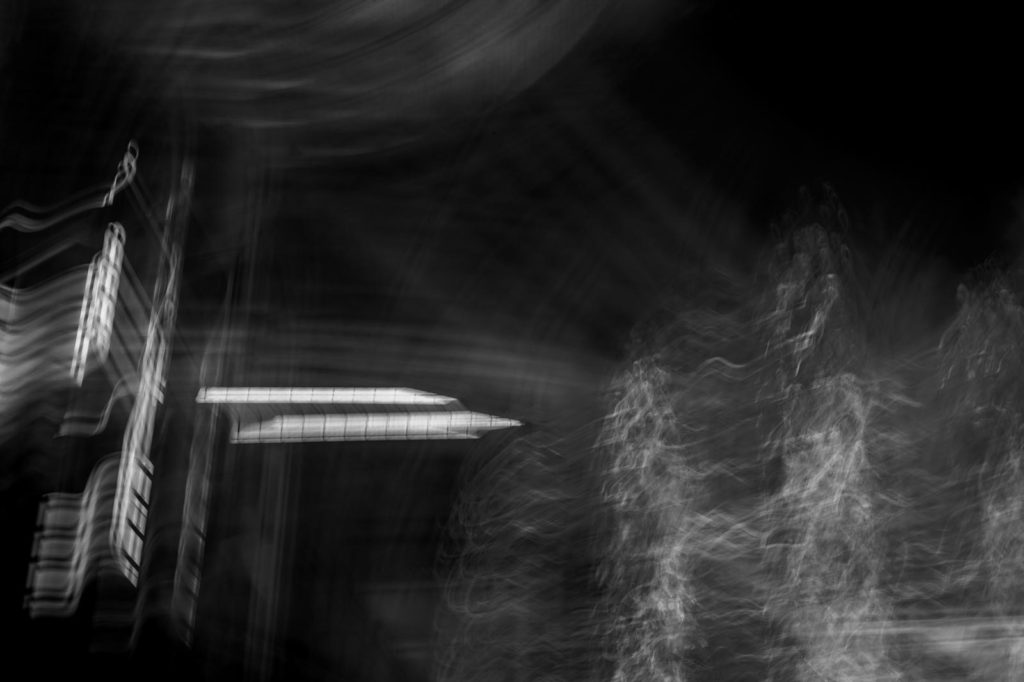
“In situ kinetic photography” is similar to the ultrasound of a place that is produced like a micro-film, but which is recorded on a single image. It is therefore neither multiple exposures nor post-processing work. Its photography is part of the field of abstraction, or subjective abstraction. Its writing is done with light and photons constitute its alphabet. Its language is cosmic, its style dreamlike and its aesthetic plastic. This photography is similar to painting in the sense that it is constructed on site by composing the elements that are added to the image.
The brush or pencil is the light ray that contains the matter and energy of electromagnetic waves, while the canvas or paper is the film or the camera sensor. Unlike the painter or the calligrapher, it is not the brush that moves, but the support, that is to say the camera. It is also, in this sense, that the intention of “in situ kinetic photography” is in no way that of “light painting”, even if we can observe certain common points.
For this photograph, composed in situ, elements very dispersed on the site are carefully chosen to compose a photographic painting. After an analysis of the times allowing the addition of the elements to be photographed, the photographer will have to determine precisely the speed of the shutter, the aperture of the focal length, and the sensitivity of the film, according to any filters added.
For “in situ kinetic photography”, the intention is no longer movement, as in “intentional camera movement”, but that of constructing an abstract image with a plastic density that will suggest the superposition of quantum states of a geographical point that light crosses during its infinite odyssey.
Variations of Light opus 5 [click on the image to enlarge it]
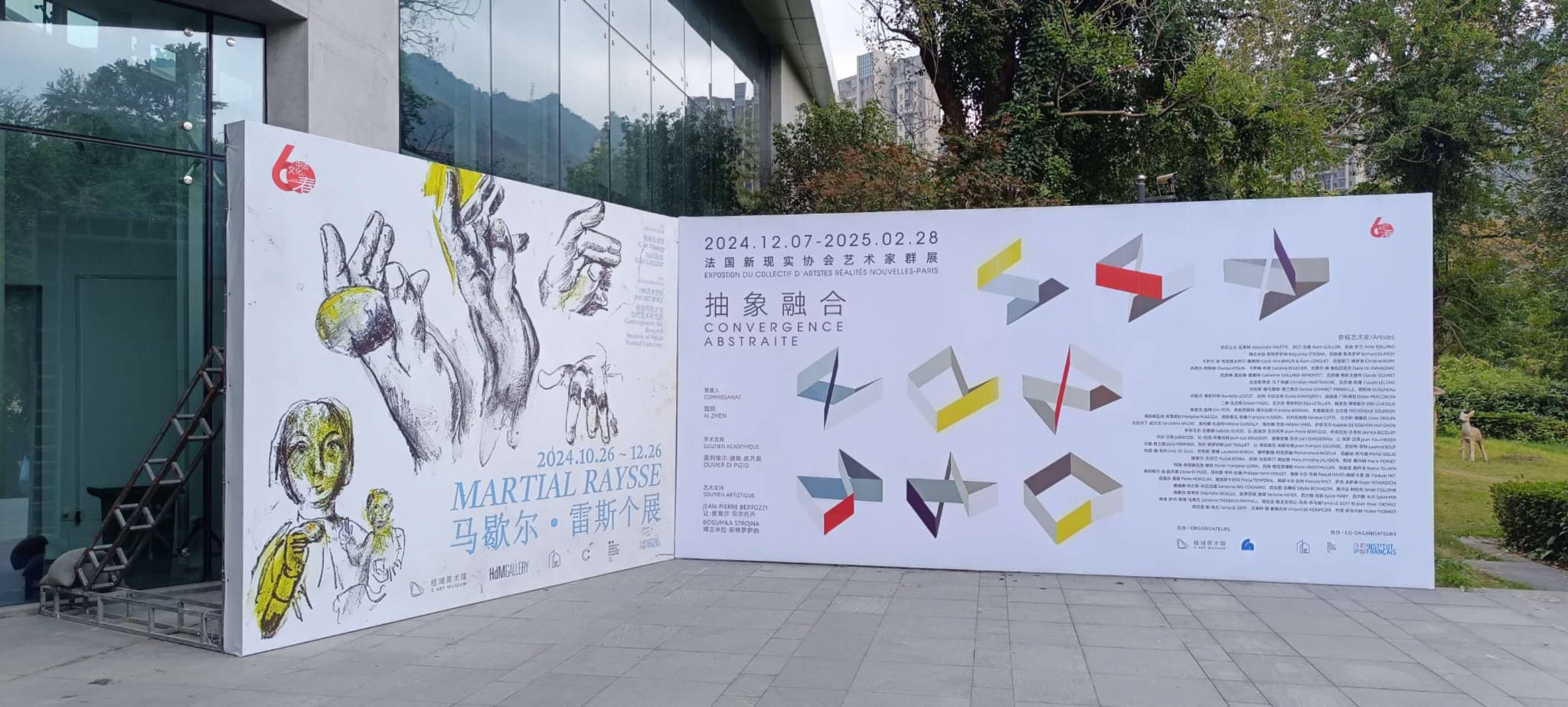
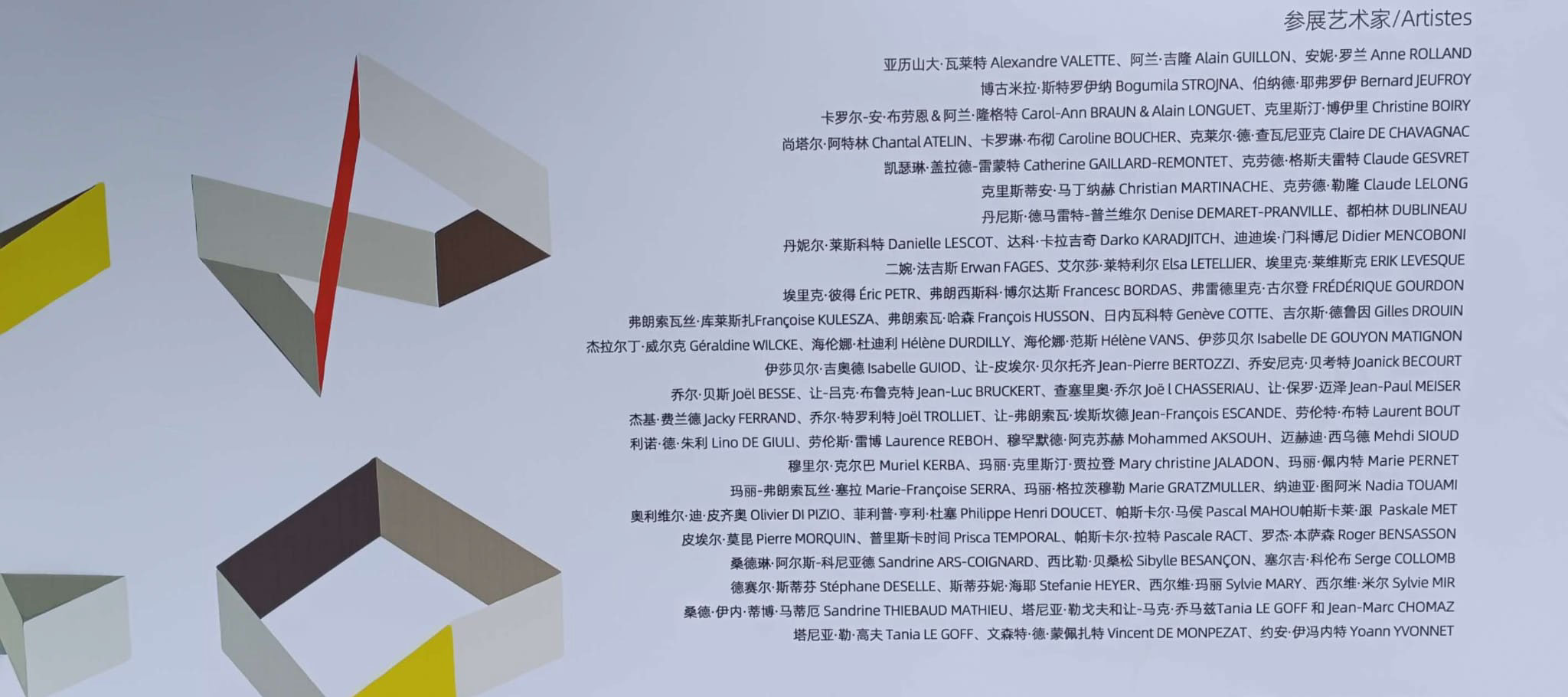
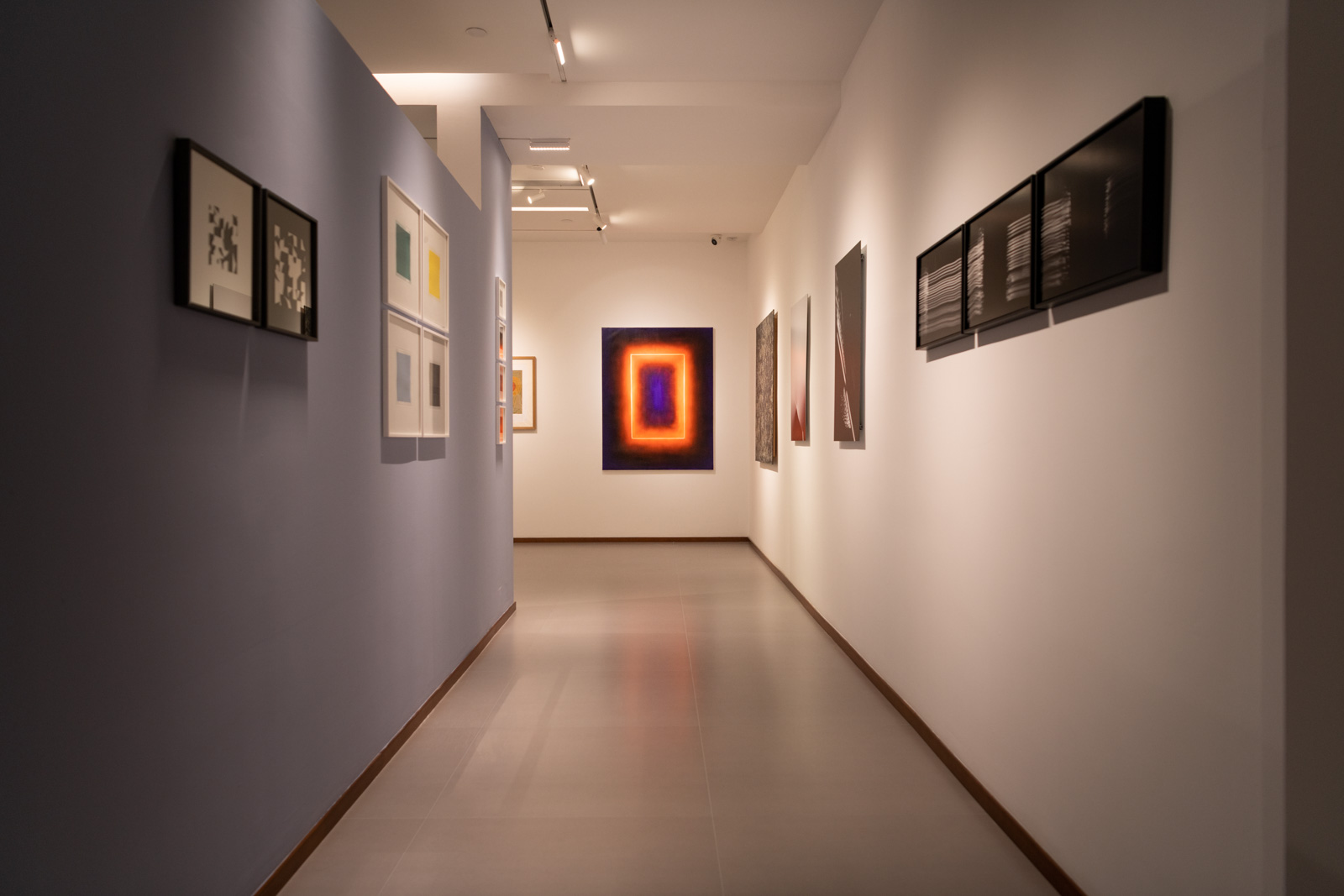
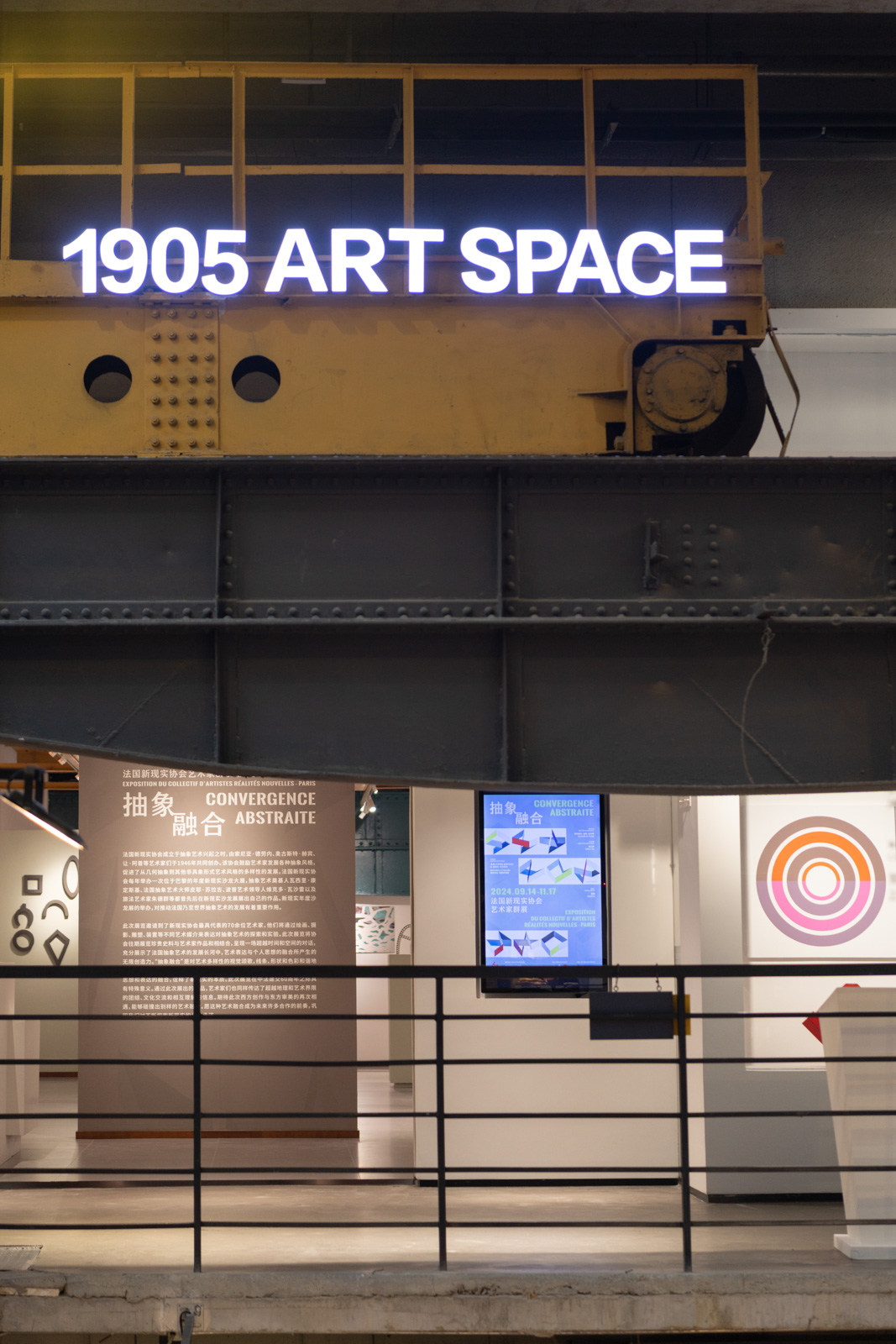
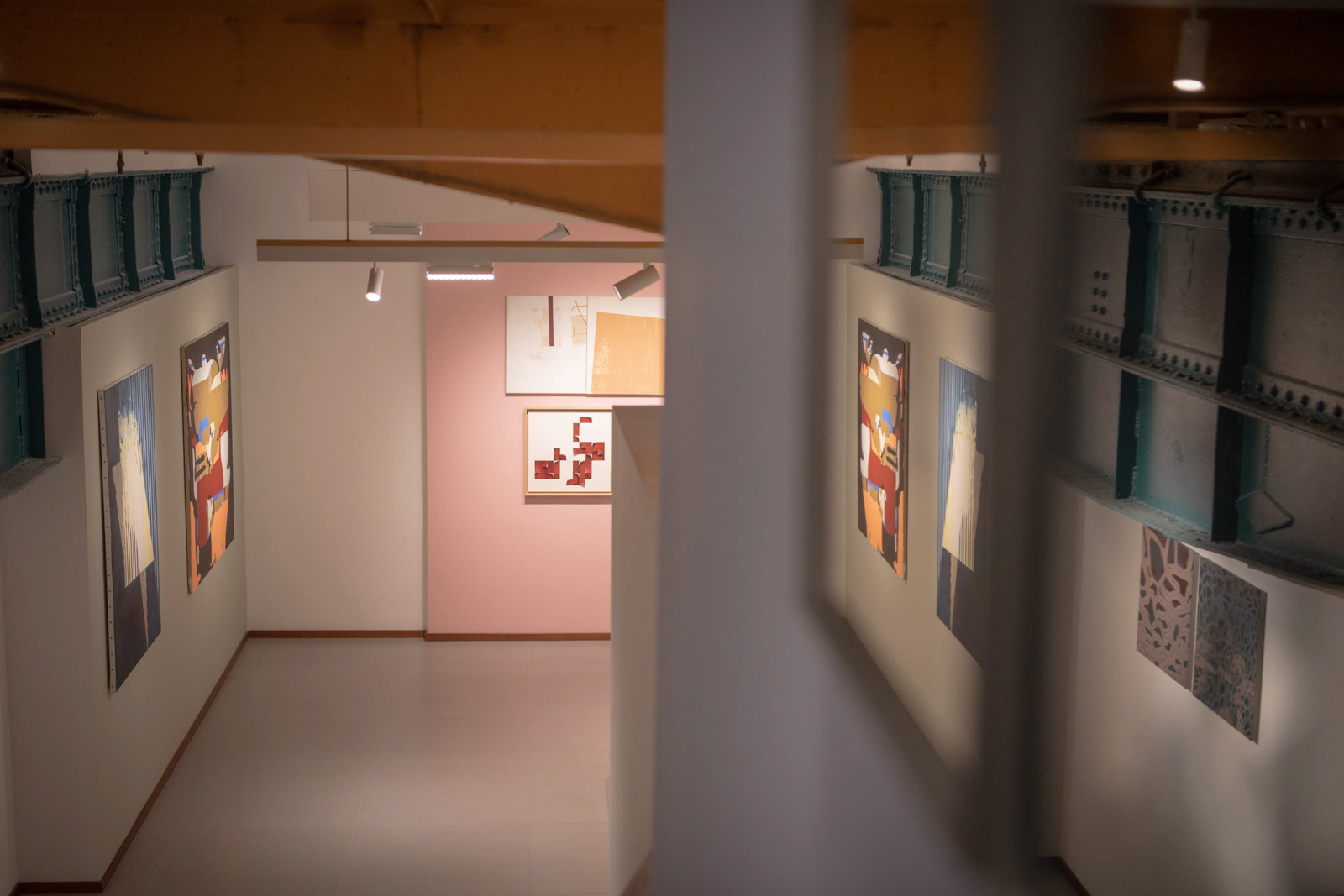
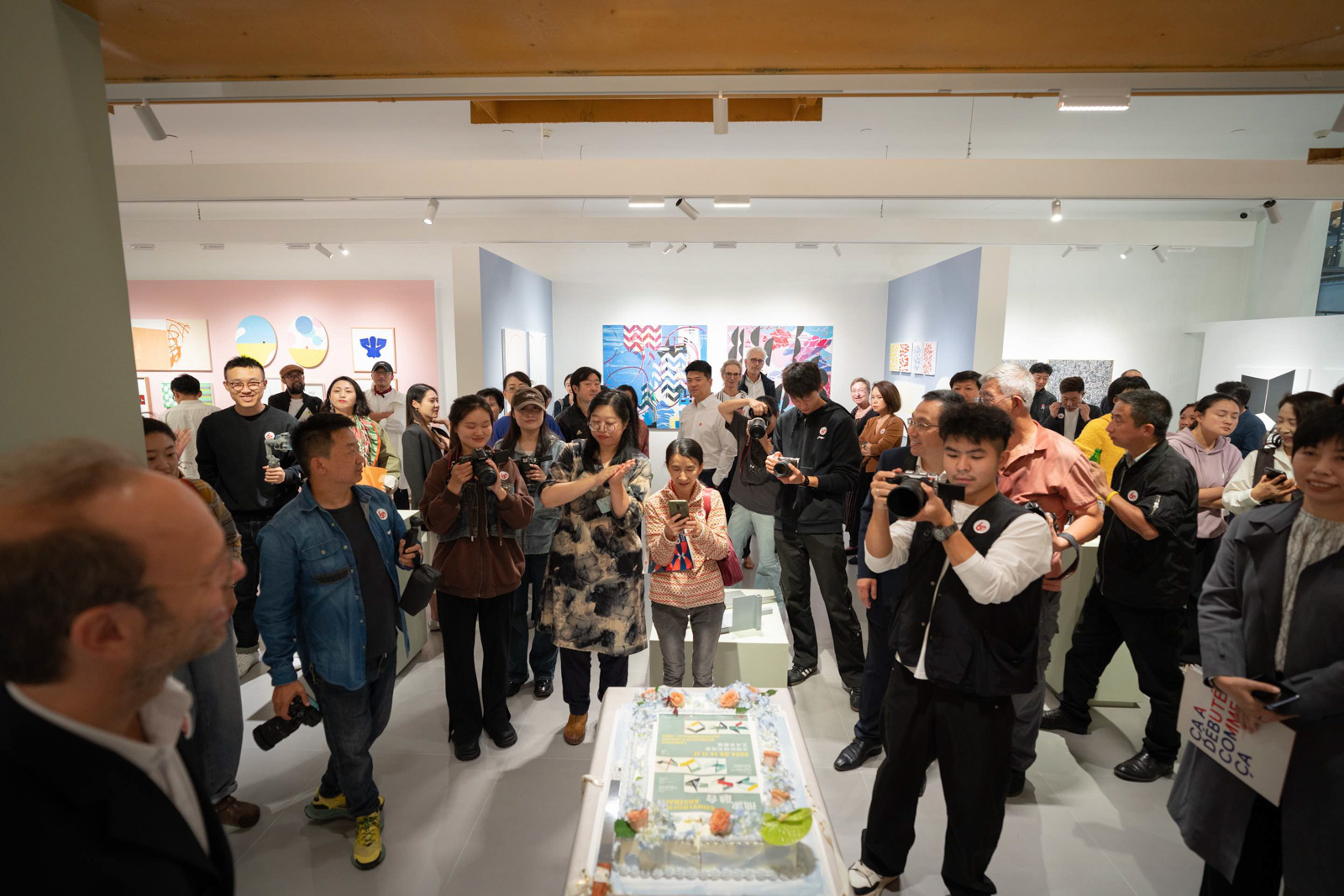
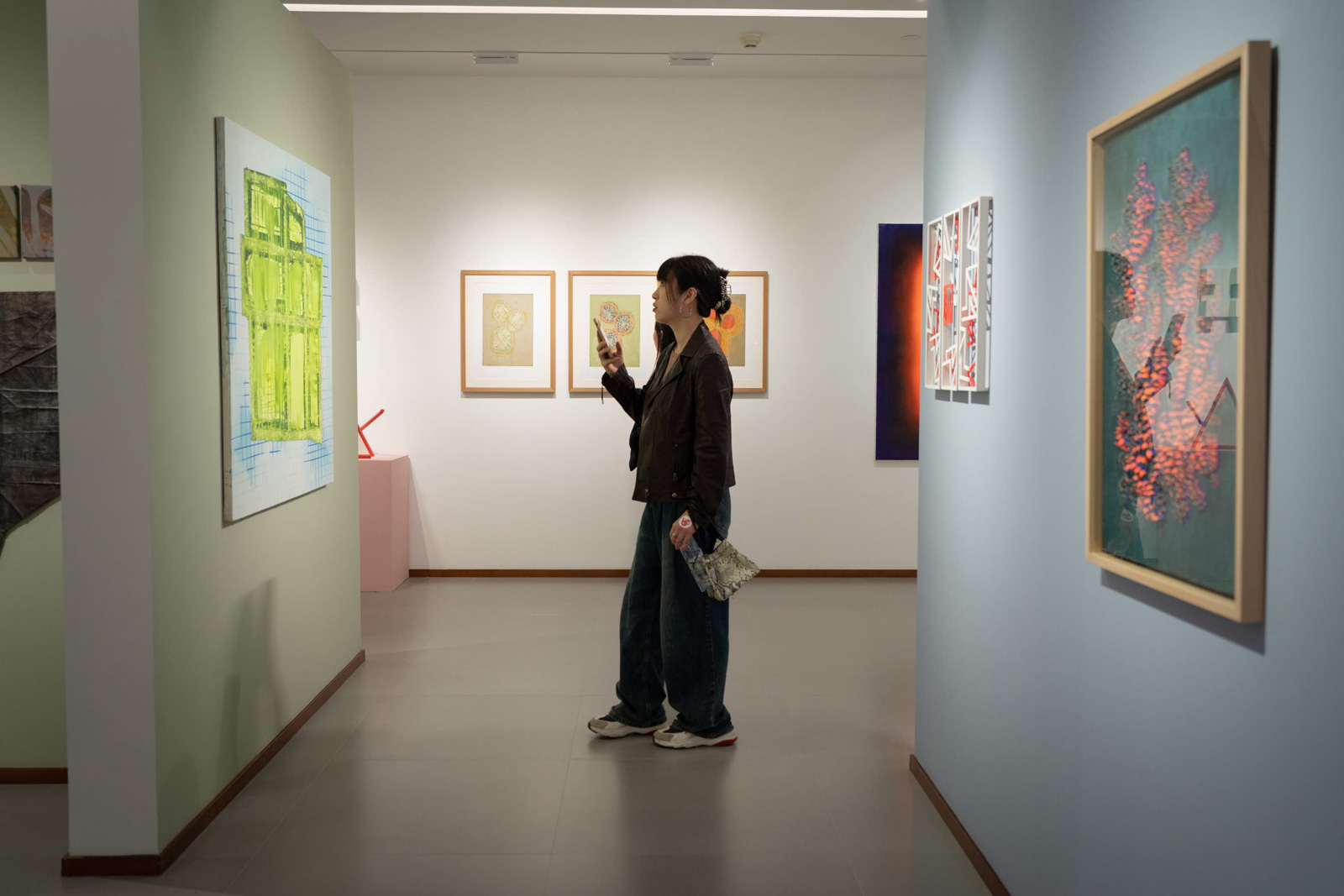
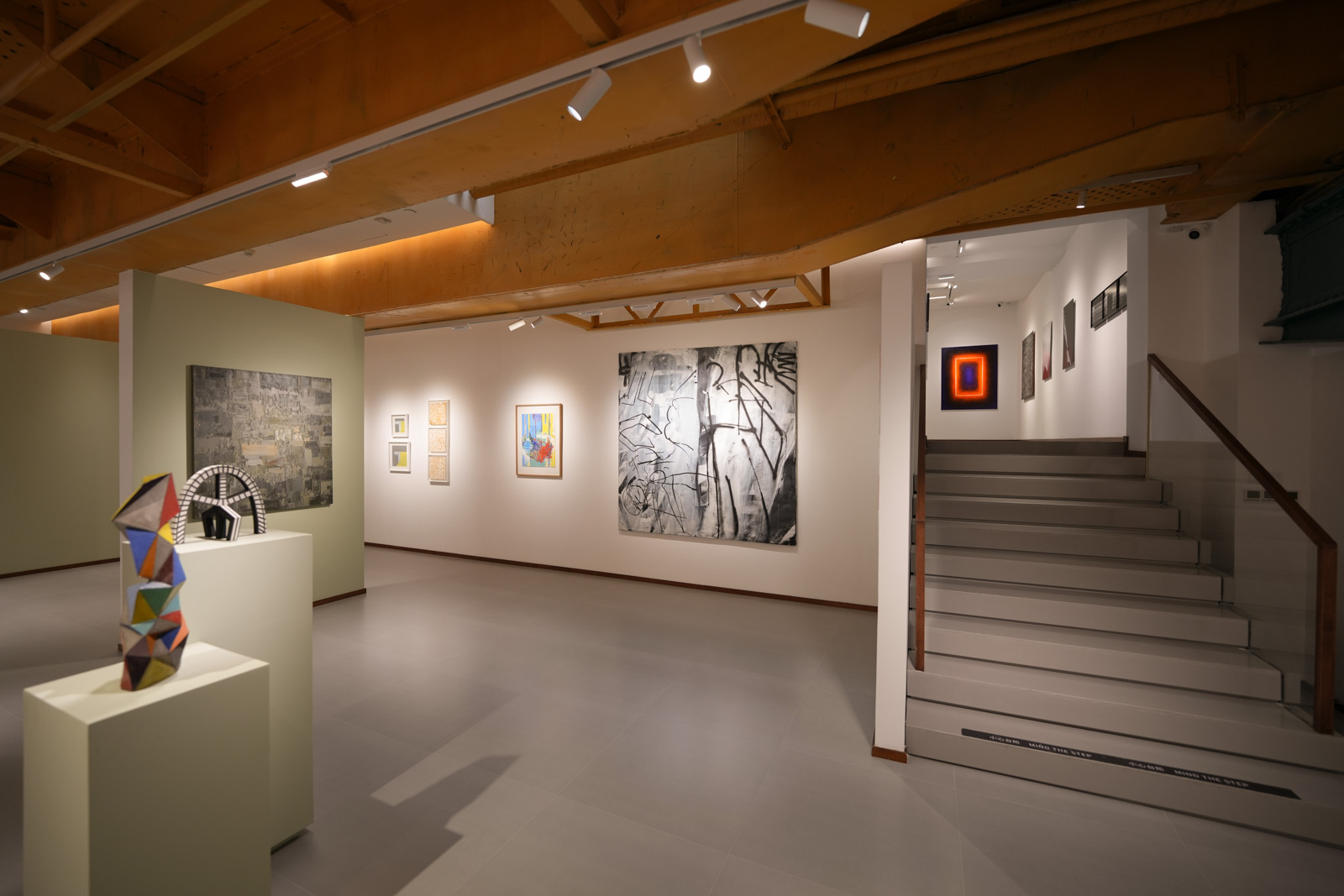
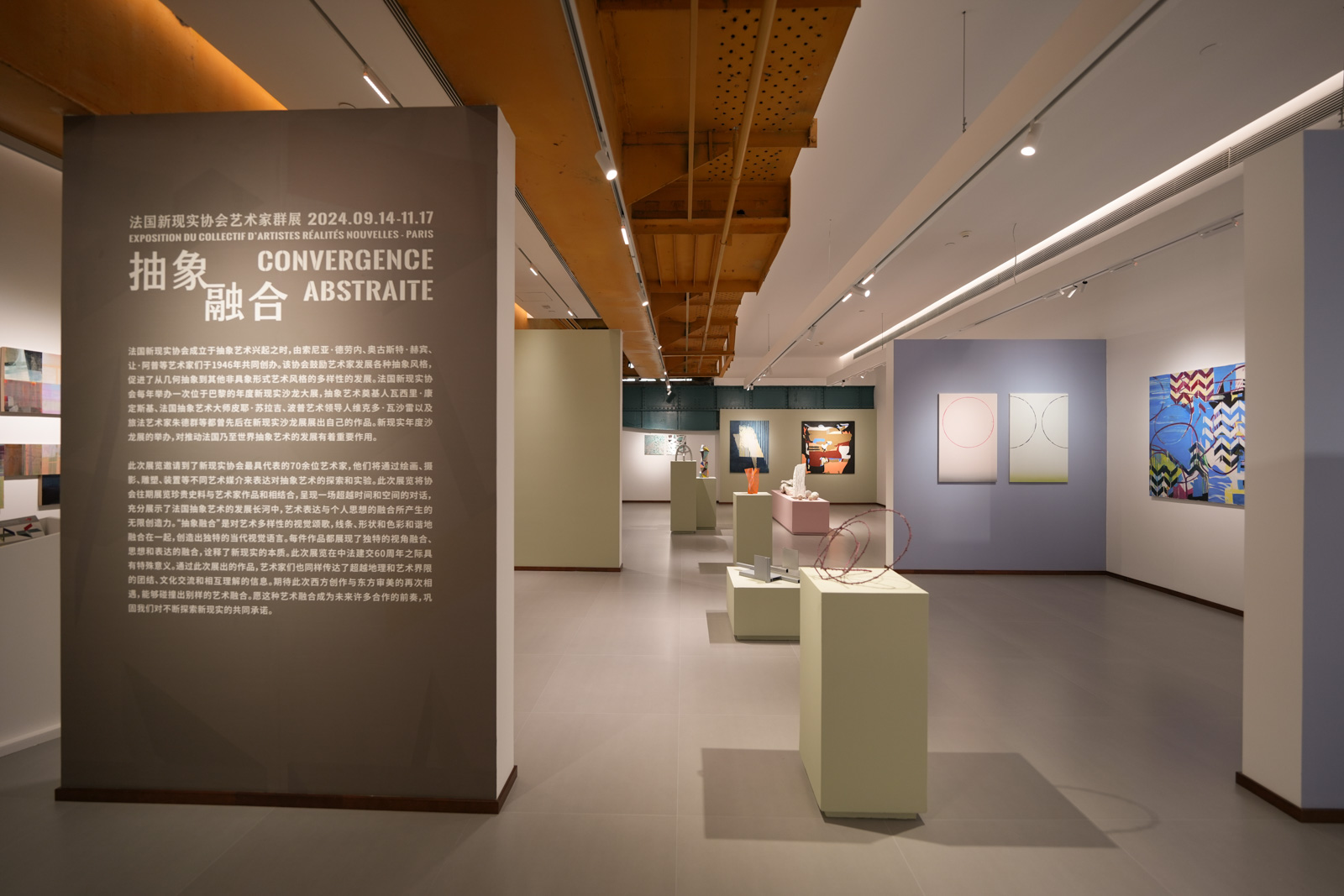
I’m delighted to announce my participation in the Réalités Nouvelles Hors les Murs exhibition in Shenyang, China!
§ – § – §
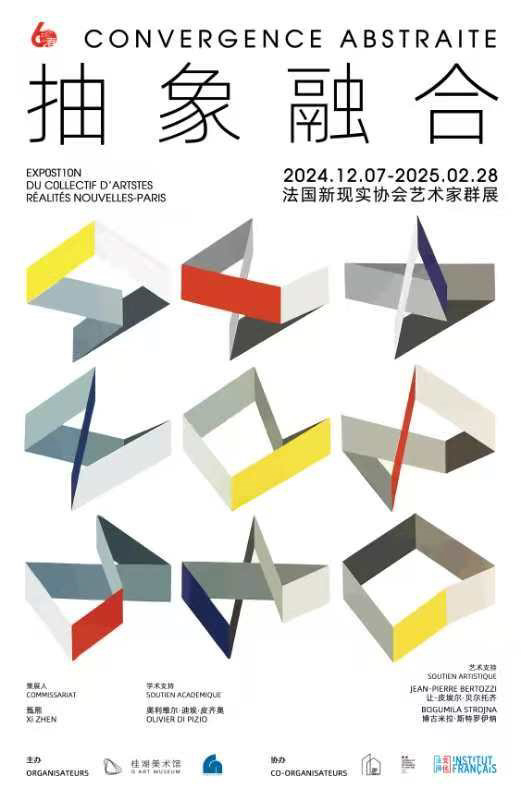
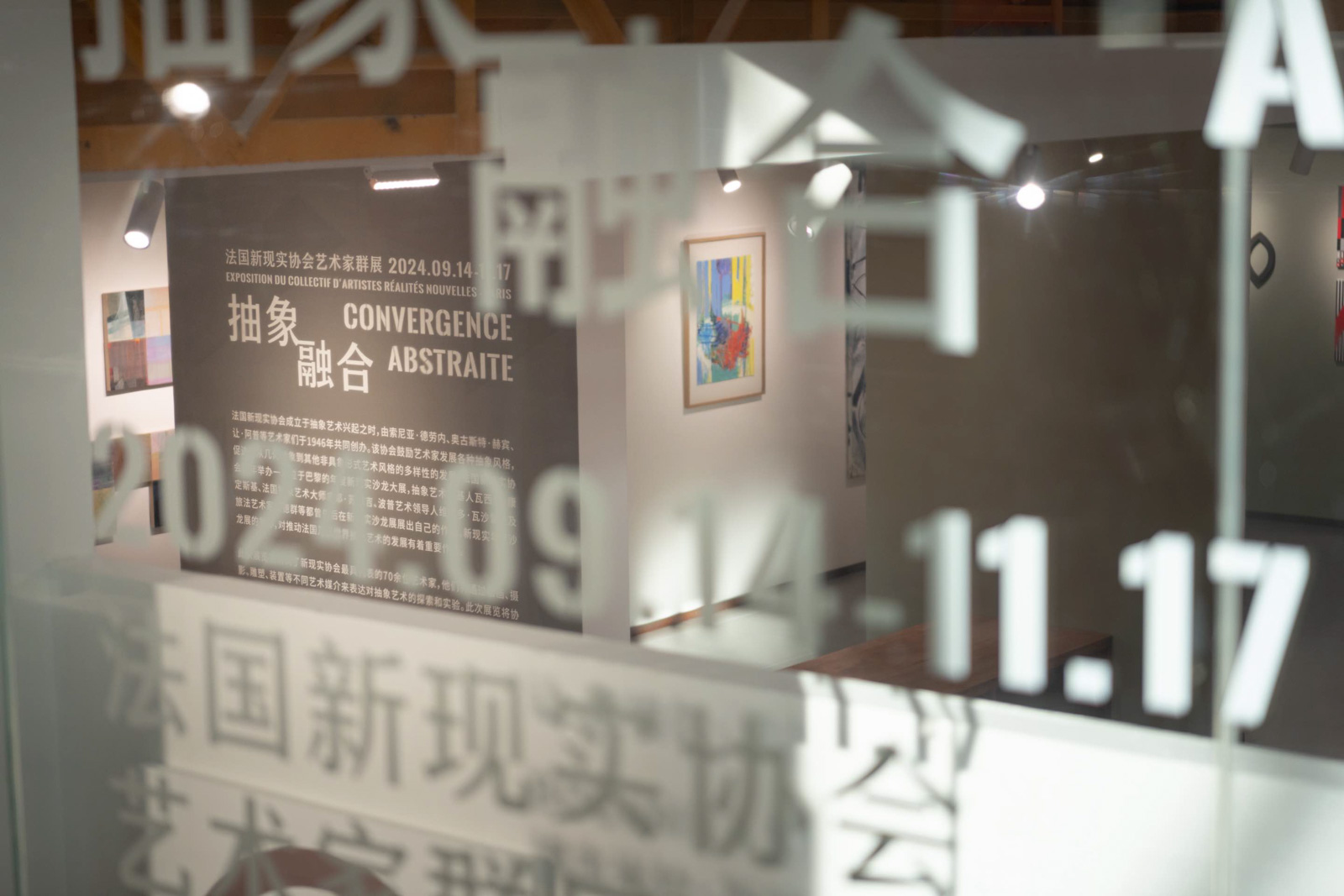
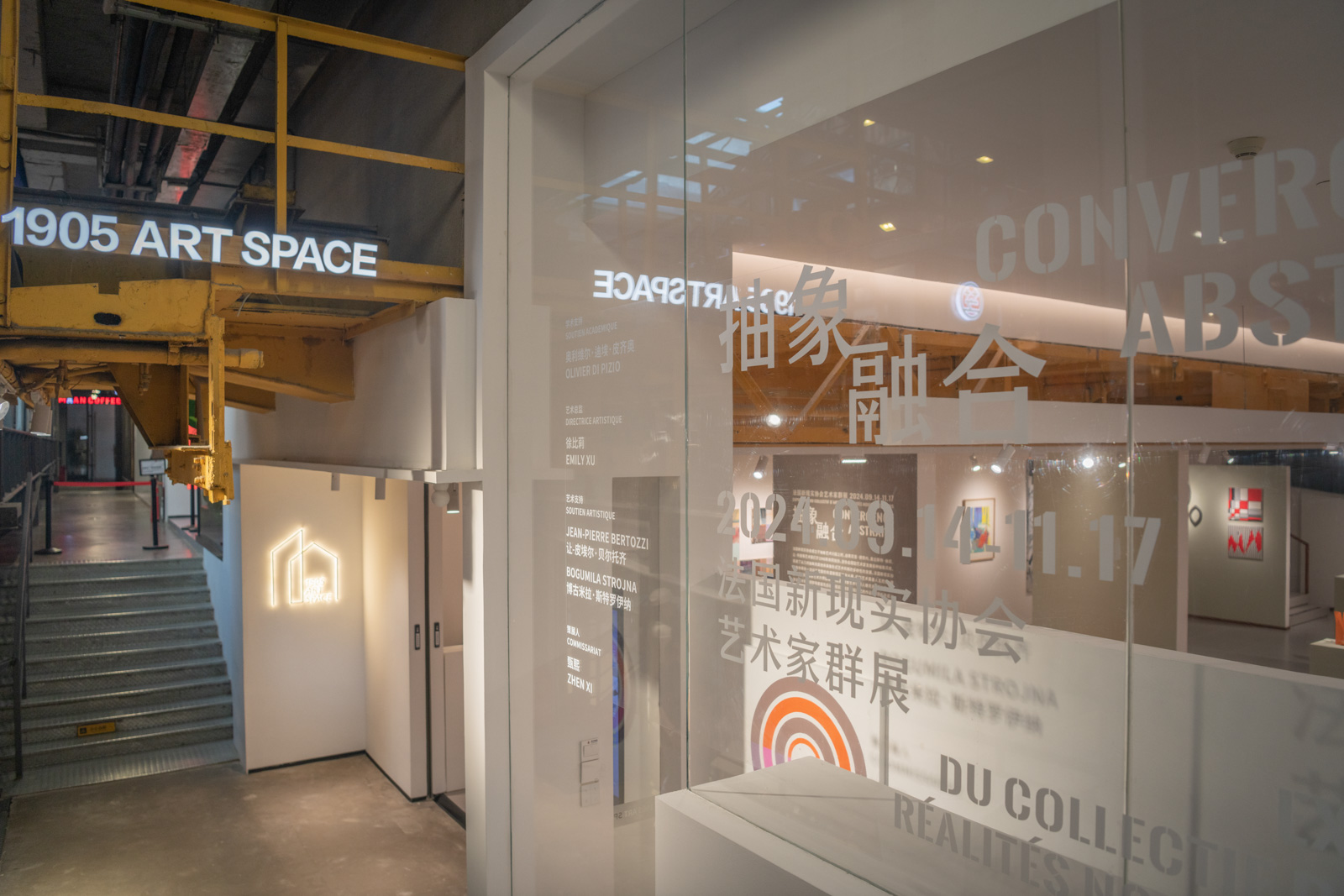
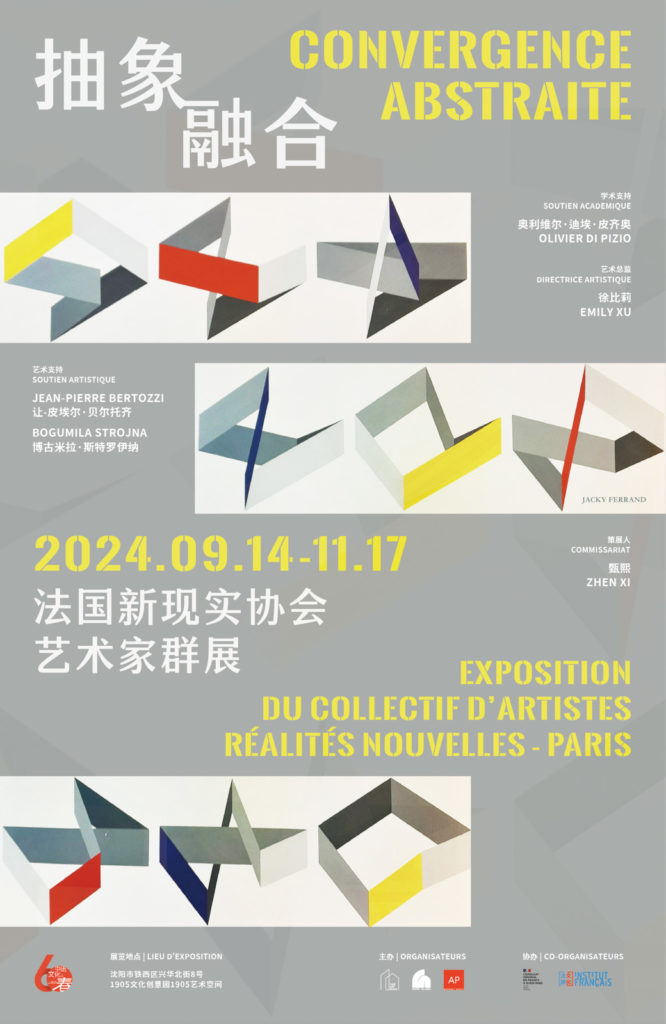
抽象融合 – ABSTRACT CONVERGENCE
学米支持 ACADEMIC SUPPORT 奥利维尔 -迪埃-皮齐奥 OLIVIER DI PIZIO 艺未总临 ARTISTIC DIRECTOR 徐比莉 EMILY XU
策展人:甄熙 COMMISSARIAT:ZHENXI
14.09 〜 17.11.2024
法国新现实协会 艺术家群展 EXHIBITION BY ARTIST COLLECTIVE RÉALITÉS NOUVELLES – PARIS
展覧地点|SHOWROOM 沈阳市铁西区兴华北街8号 1905文化创意园1905艺术空间
Click on each image to enlarge
ABOUT MY ARTWORK
VARIATIONS DE LUMIÈRE OPUS 5 Photographic triptych 2021 (33x150cm) Copy #2/3 (+1 EA)
This opus is a continuation of a reflection on the essence of light and its effect on the perception of Being in its immediate or cosmic environment.
Light fascinates me by the duality of its state, at once corpuscular and wave-like, but also for everything that makes it our perception of the world.
My “Variations de Lumière” (Variations of Light), arranged by opus, are images born of my observation of light, revealing the gap in perception between photographed reality and the photographic record.
It is a metaphor, but I would say that the medium of photography is particularly well-suited to this study, because the photons that strike my negative, materialized by impact points on the emulsion layer of silver halide crystals, or on the low-pass filter of a sensor, describe the corpuscular nature of light during the shooting phase.
Similarly, this material, used as a material, underlines the wave-like nature of light, when these impacts on the negative become oscillations on the paper.
From this observation of photons recorded at a moment “T” in their infinite course through the cosmos, at a precise point in the universe, comes this writing of light.
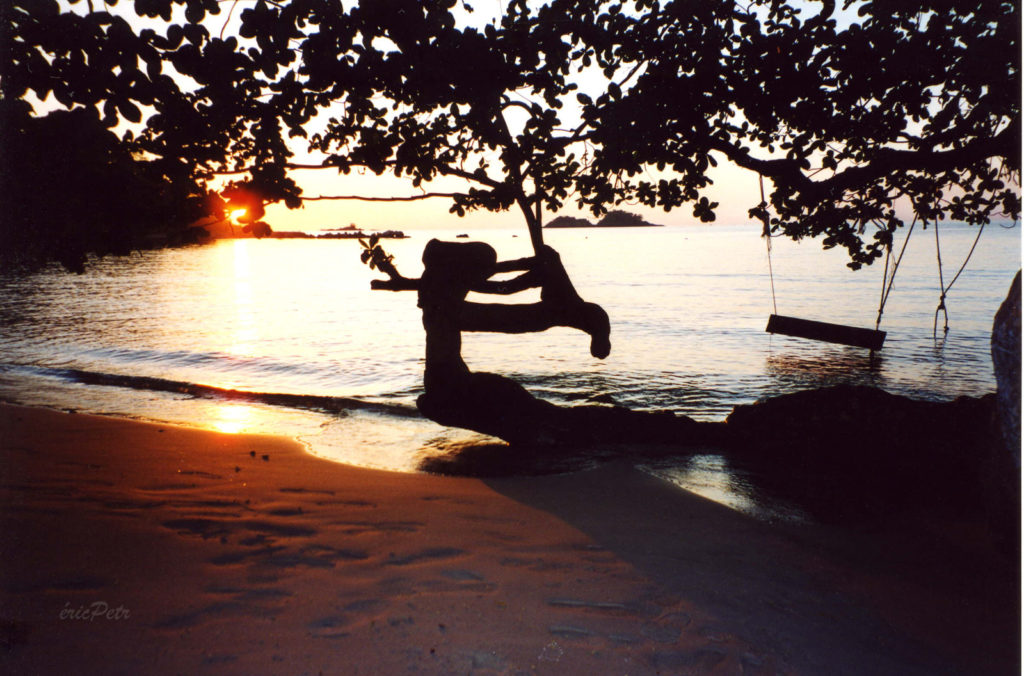
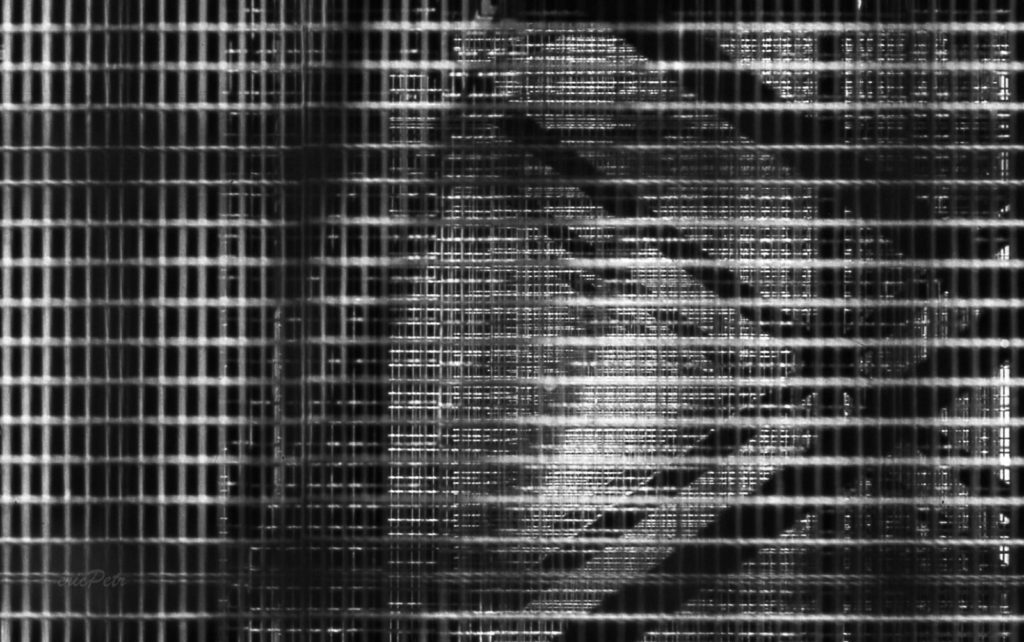
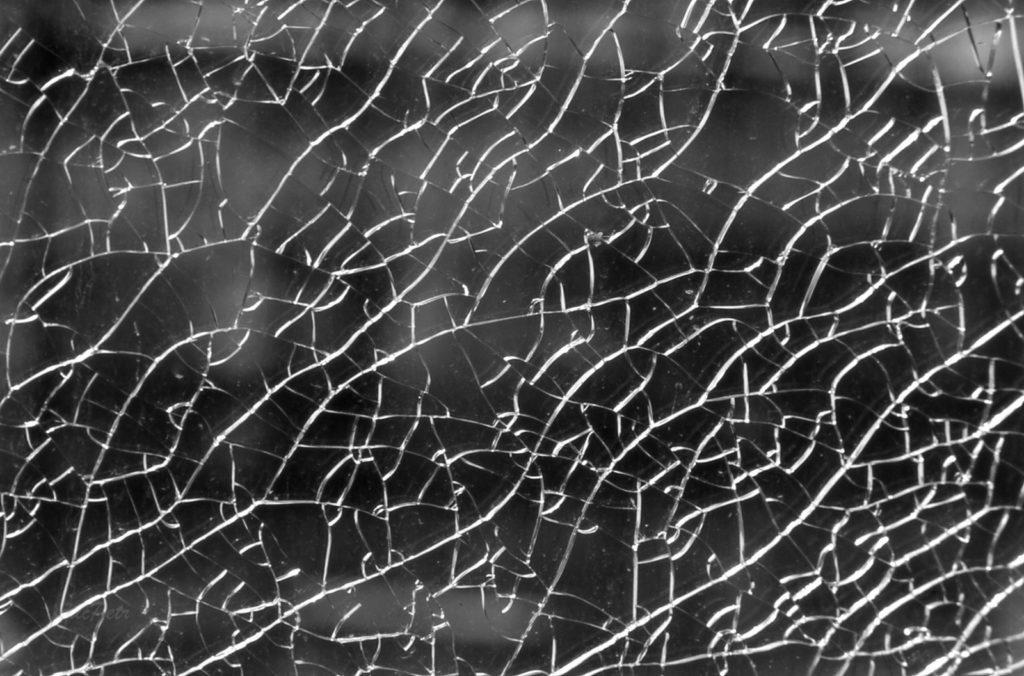
These photographs, taken with a Nikon F3, mounted with a Nikkor 50mm f1.4 or 105mm f2.5 lens and Kodak film, bear witness to my highly creative period in the ’80s. They show, in successive order: the beach at Le Lavandou, the outside fire escape at the Centre Georges Pompidou in Paris, and a broken window in the former wasteland of Les Halles de la Villette in Paris.
The first silver photograph was a precursor to the work I’m still doing today. Taken at night, on the beach at Le Lavandou, with an exposure time of around 15 minutes, and shot at 720°, it recreates the electromagnetic atmosphere of a vacation and party spot, its beach, the black reflections of the sea and the rolling of the waves, the lights of boats, stars, the moon, coastal lighthouses and bars still barely lit.
A LONG-TERM COURSE… “who goes slowly, goes healthily”!
I took up photography in 1983, and spent ten passionate years with the idea of developing research and aesthetics based on “pure” light, and the impact it can have on our mind, our thoughts, or our perception of the universe.
The research I had begun on this subject was halted in 1993 by the upheaval caused by the arrival of digital technology in the world of photography.
It wasn’t until 10 years later, in 2003, after giving a great deal of thought to the image, its role and its power, that I took up this reflection and work again, using two media: digital and film photography.
In 2013, I opted to set up a company to develop this work over the long term.
Today, I exhibit and show my work in Paris, Europe and abroad.
Are you interested in following my work, discovering my new creations, and receiving invitations to my openings? You can register at this link: https: //www.ericpetr.net/contact/
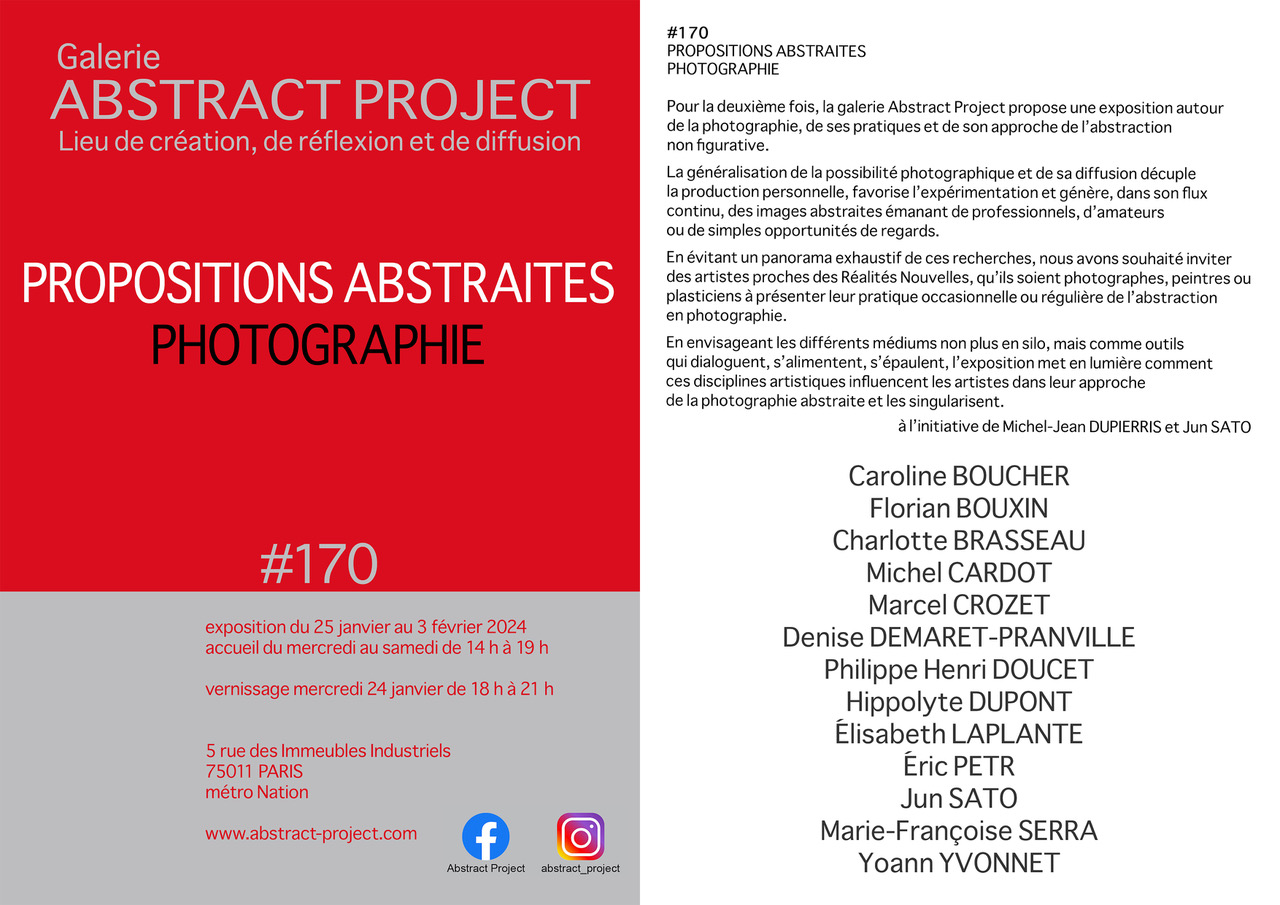
I’m pleased to invite you to the opening of the “Propositions Abstraites” photography exhibition, Wednesday January 24, 6-9pm.
EXHIBITION January 25 to February 3, 2024 open Wednesday to Saturday, 2 to 7 p.m.
ABSTRACT PROJECT GALLERY 5 rue des Immeubles Industriels 75011 PARIS metro Nation www.abstract-project.com
#170
ABSTRACT PROPOSALS PHOTOGRAPHY For the second time, Abstract Project gallery presents an exhibition focusing on photography, its practices and its approach to non-figurative abstraction. The widespread availability and distribution of photographic possibilities has increased personal production tenfold, fostering experimentation and generating, in its continuous flow, abstract images from professionals, amateurs or simple opportunities to look. Avoiding an exhaustive panorama of this research, we wanted to invite artists close to the Réalités Nouvelles movement, whether photographers, painters or visual artists, to present their occasional or regular practice of abstraction in photography. By looking at the various media not in silos, but as tools that interact, feed off and support each other, the exhibition highlights how these artistic disciplines influence artists in their approach to abstract photography, and set them apart.
Exhibition initiated by Michel-Jean DUPIERRIS and Jun SATO with…
Caroline BOUCHER Florian BOUXIN Charlotte BRASSEAU Michel CARDOT Marcel CROZET Denise DEMARET-PRANVILLE Philippe Henri DOUCET Hippolyte DUPONT Elisabeth LAPLANTE Éric PETR Jun SATO Marie-Françoise SERRA Yoann YVONNET
Click on image to enlarge
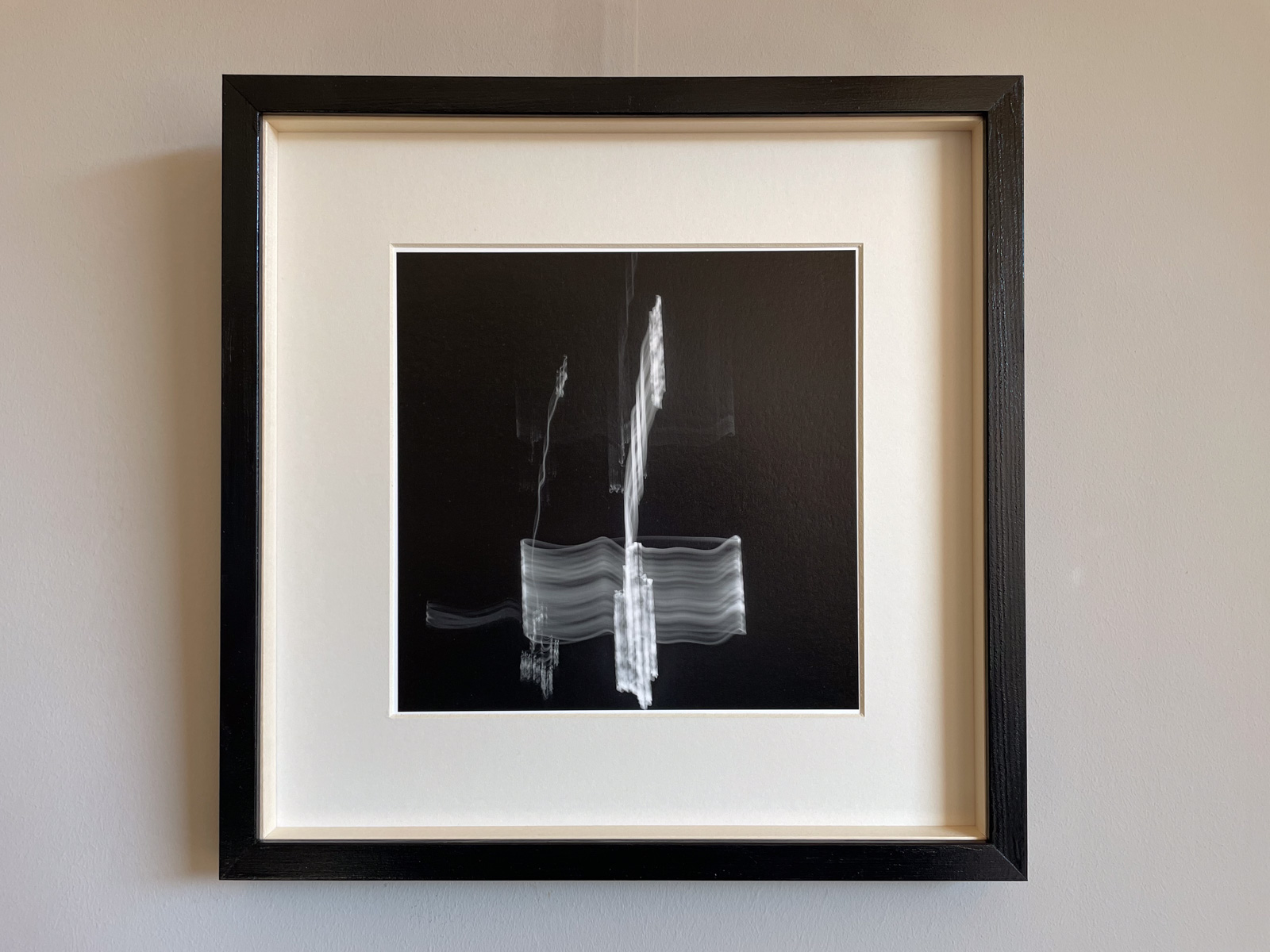
Title: Hikari 0x308518BF Year: 2023 Copy: #1/3 Size: 19 x 19 cm [Cadre 32 x 32 cm] Technique: Digital photography in situ Nikon DF, Nikkor Q135. Lucia Pro pigment inks on Hahnemühle Fine Art Pearl 285g paper. Print made at Éric Petr Studio inspiration
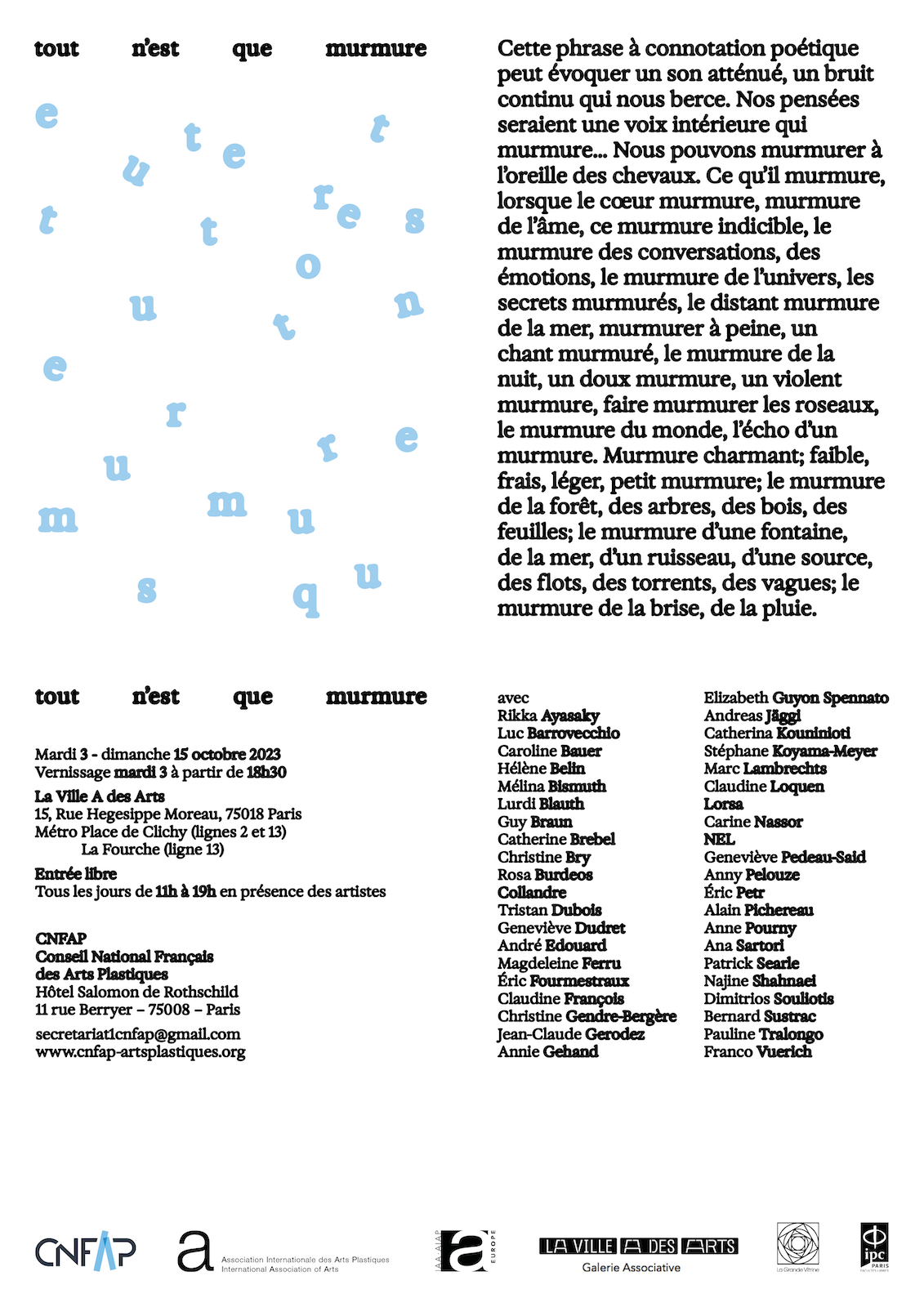
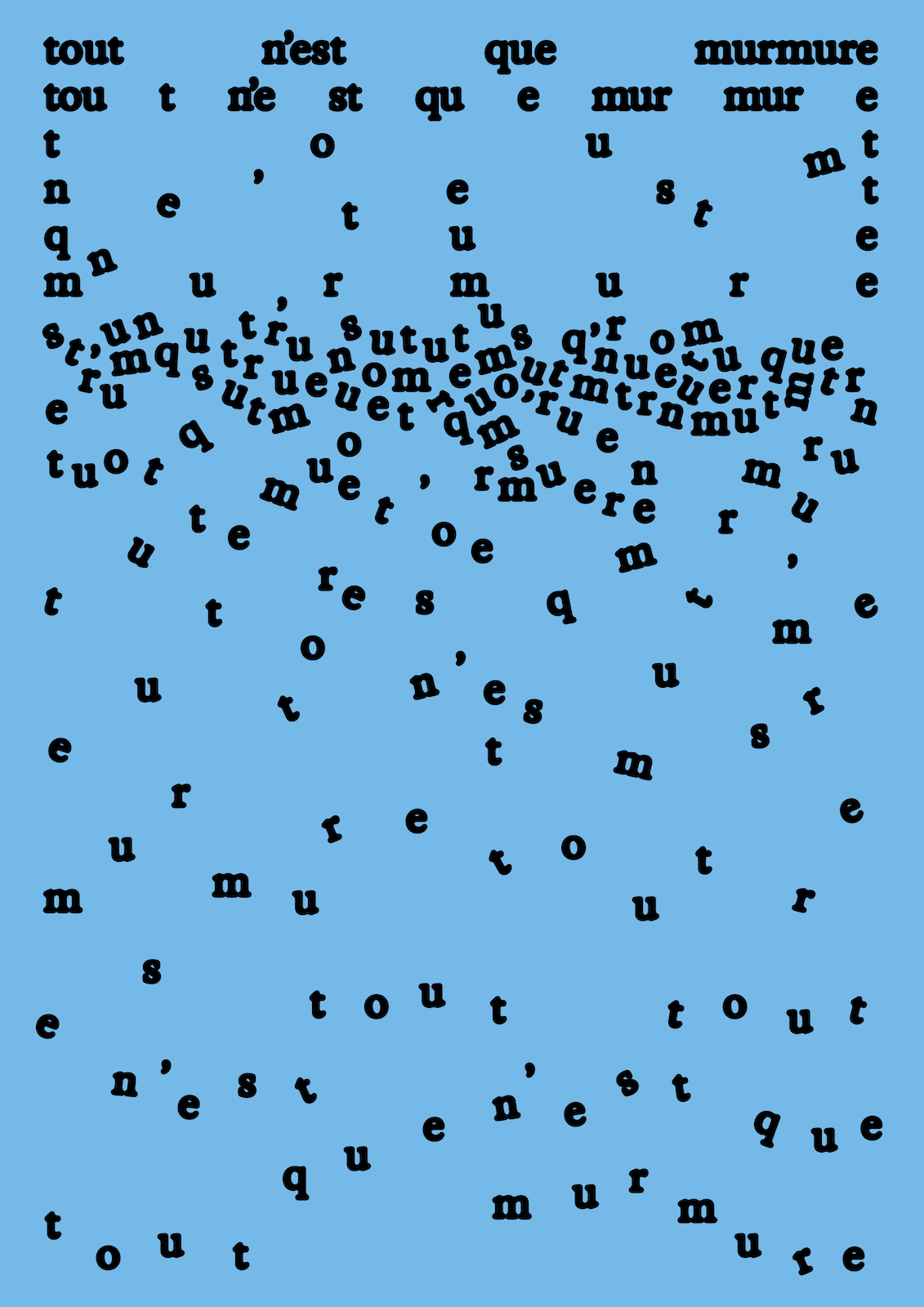
I am happy to announce the MURMURS exhibition organized by the CNFAP at the La Ville A des Arts gallery in Paris 18th from 4.10 to 15.10.2023 and bringing together 41 visual artists who will express themselves on the theme of murmurs. A Vernissag will be held on this occasion on October 3 at 6:30 p.m. 🥂✨
Participating artists: Ayasaky Rikka – Barrovecchio Luc – Bauer Caroline – Belin Hélène – Bismuth Mélina – Blauth Lurdi – Braun Guy – Brebel Catherine – Bry Christine – Burdeos Rosa – Collandre Françoise – Dubois Tristan – Dudret Geneviève – Edouard André – Ferru Magdéleine – Fourmestraux Éric – François Claudine – Gendre-Bergère Christine – Gérodez Jean-Claude – Gehand Annie – Guyon Spennato Elizabeth – Jäggi Andreas – Kouninioti Catherina – Koyama-Meyer Stéphane – Lambrechts Marc – Loquen Claudine – Lorsa – Nassor Carine – NEL – Pedeau-Said Geneviève – Pelouze Anny – Petr Éric – Pichereau Alain – Pourny Anne – Sartori Ana – Searle Patrick – Shahnaei Najine – Souliotis Dimitrios – Sustrac Bernard – Tralongo Pauline – Vuerich Franco
§ § §
USEFUL INFORMATIONS
The Ville A des Arts 15 rue Hégésippe Moreau 75018 Paris Metro Place de Clichy lines 2 & 13
Open every day: from 11 a.m. to 7 p.m. Free entry access Presence of artists on site
The French National Council for the Plastic Arts is the French National Committee that officially represents France in the IAAA (International Association of the Plastic Arts), an NGO under the auspices of UNESCO, and issues a professional artist card. Under the impulse of the General Direction of Arts and Letters of the Ministry of National Education, the CNFAP was created in 1956. It includes, among its founding members, 20 eminent artists, including : Georges BRAQUE, Roger CHAPELAIN-MIDY, André DUNOYER de SEGONZAC, Marcel GROMAIRE, Marie LAURENCIN, André LHOTE…
Click to download the poster
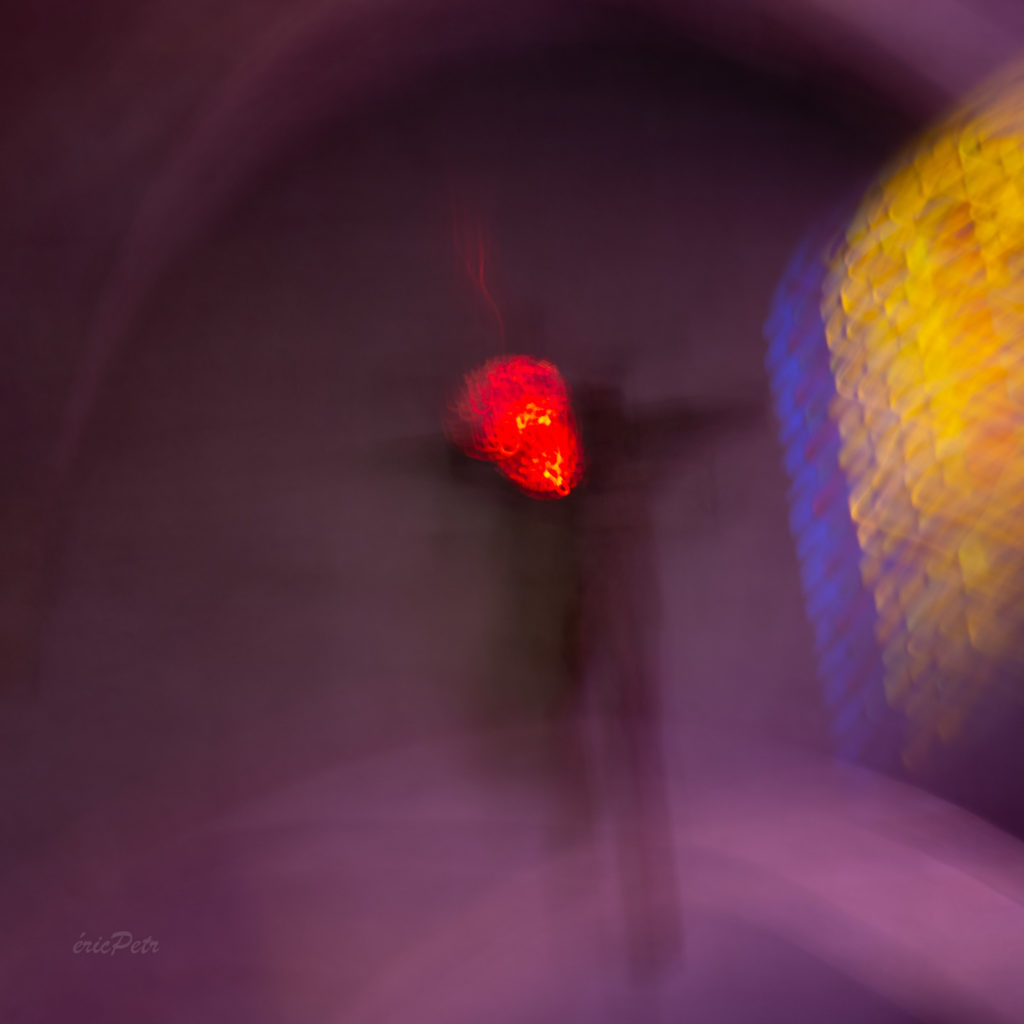
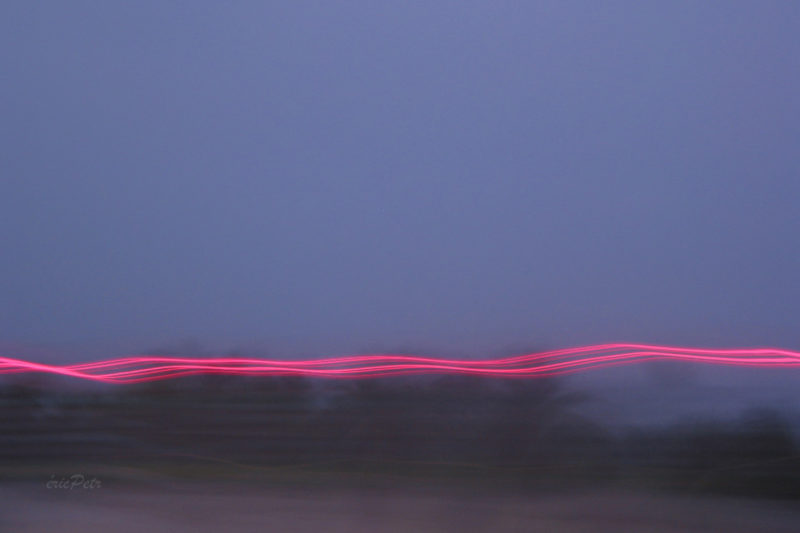
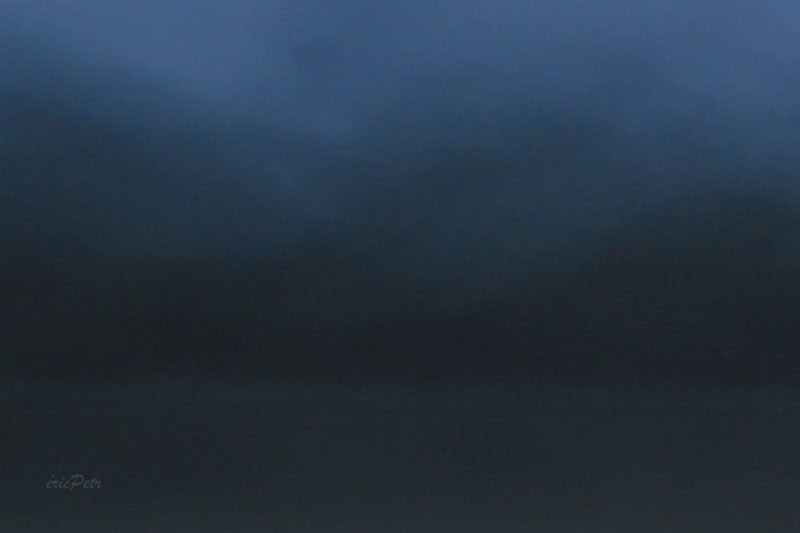
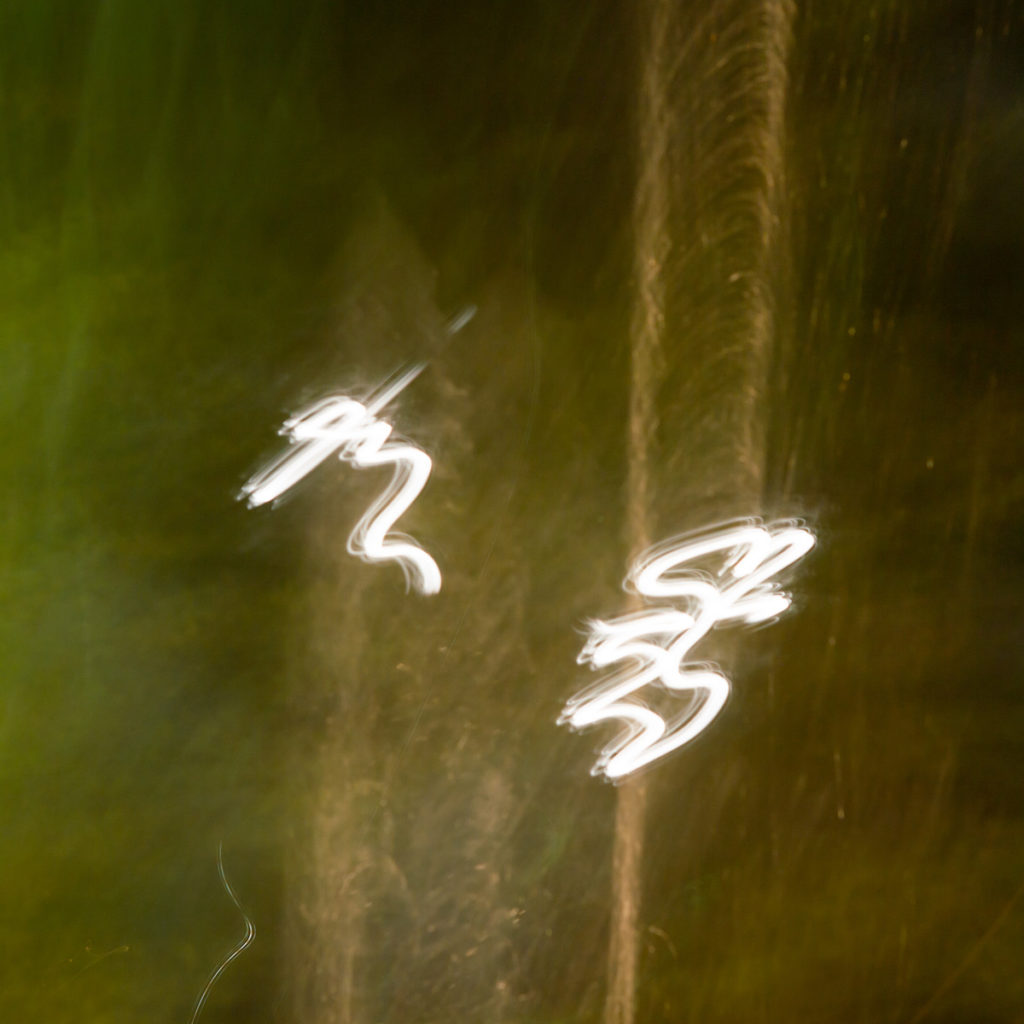
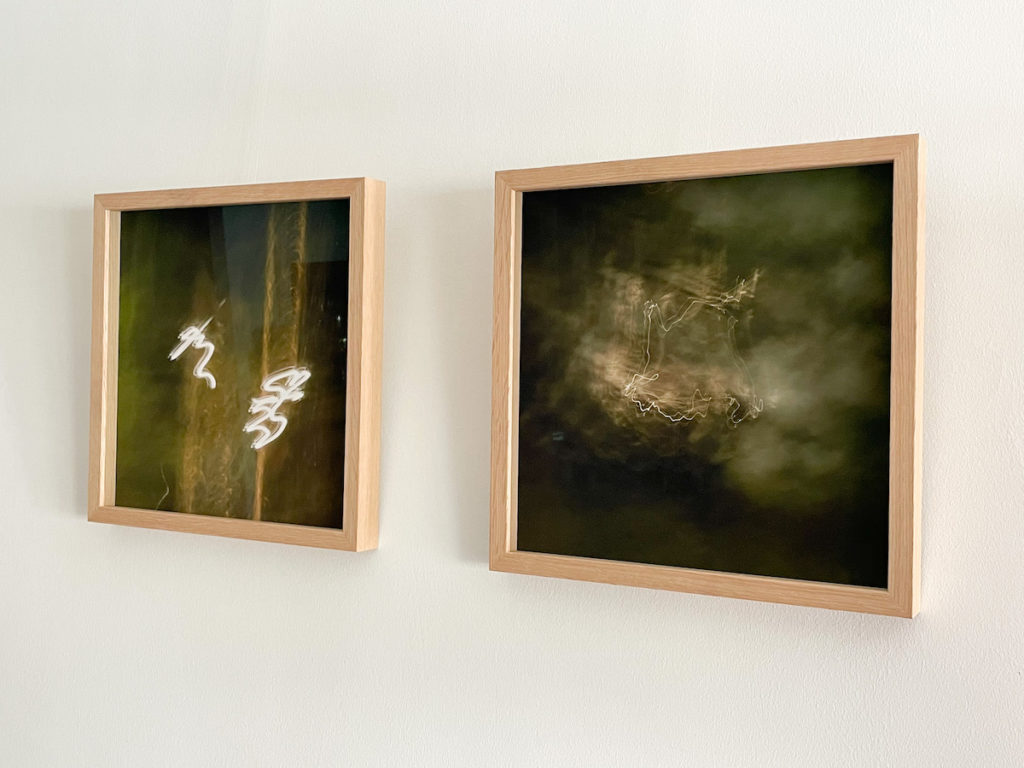
ささやき 0x608EBF51
MY EXHIBITED ARTWORK
The two exhibited works are part of a short photographic novella「ささやき」produced in Japan in May 2023.
ささやき (Sasayaki), in Japanese, means “MurmurS”, the title of the theme “Murmures” in French.
These photographs are, for those who know how to listen to silence, the murmur of nature.
While my photographic artwork tirelessly questions the murmurs of the universe, I did not think that the waves that I captured that night in Kanazawa, in dialogue with the moon, transmitted to me a vibration heralding the 6.5 magnitude earthquake which occurred a few hours later, on May 5, 2023 at 2:42 p.m. in Ishikawa Prefecture.
Everything is just a murmur of these waves which constantly pass through us and transmit to us in their infinite trajectory, the echo of the World, if indeed we can interpret it.
Photographs, Hahnemühle B&R Rag 310g paper, light oak wooden box and anti-reflective and anti-UV museum glass. From left to right (below): ささやき 0x608EBF51 (2023) 30x30cm #1/3 (+1AP) and ささやき 0x604ABB51 (2023) 30x30cm #1/3 (+1AP)
ABSTRACT ART ー WORKS ON PAPER The New Realities exhibition | Paris Kyōto 2023 Hors les Murs
The exhibition of NEW REALITIES > PARIS KYŌTO < [abstract works on paper] held at the KYŌTO INTERNATIONAL COMMUNITY HOUSE (KOKOKA) in the city of Kyōto from April 26 to 30, 2023, during the Kyōtographie International Festival, was an event nurtured by some very fine encounters. A mainly Japanese public came to see this exhibition, encouraging a highly constructive exchange in the spirit of opening up art and culture beyond national borders.
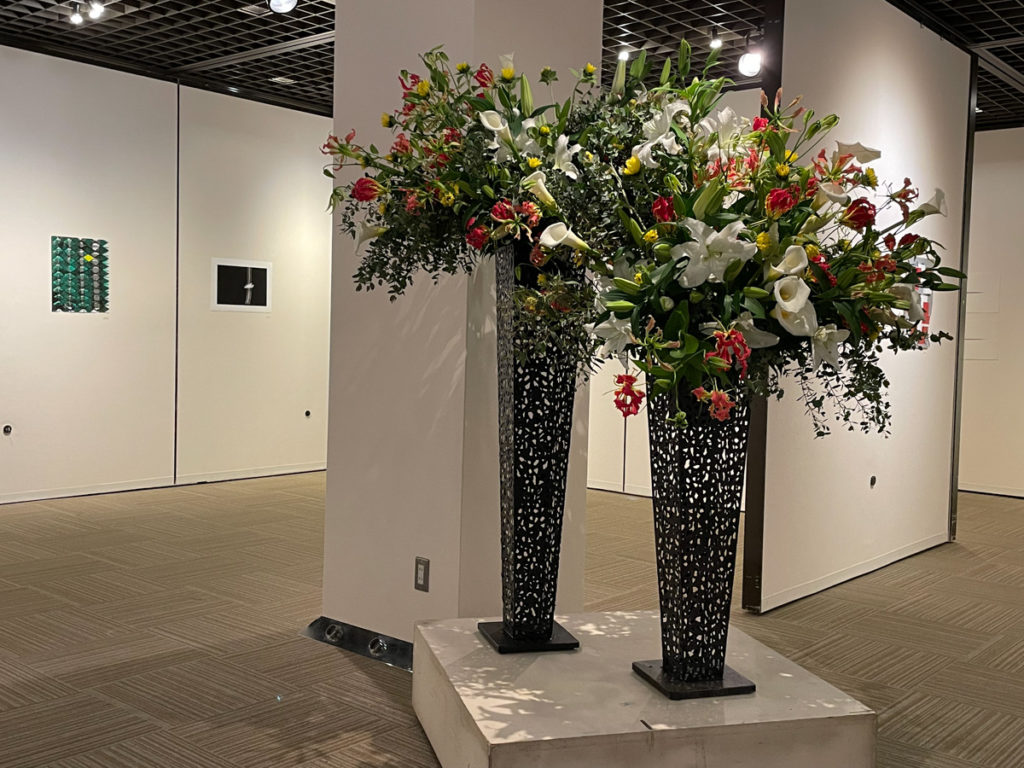
An opening ceremony was held on April 26, the day of the Vernissage, by Mr Fujita Hiroyuki, Director of the Kokoka hosting the exhibition, and Mr Jun Sato, organizer of the Réalités Nouvelles event. Also for this occasion, Mrs. Mikiko Tanaka, Member of the Kyōto Prefectural Assembly, and Mr. Masayoshi Imamura came to arrange two sumptuous bouquets of flowers that lit up the space throughout this magnificent exhibition. This event was also an opportunity to welcome an elementary school class, and drawing workshops and exchanges with the artists were organized to raise awareness of abstract art among this very young audience.
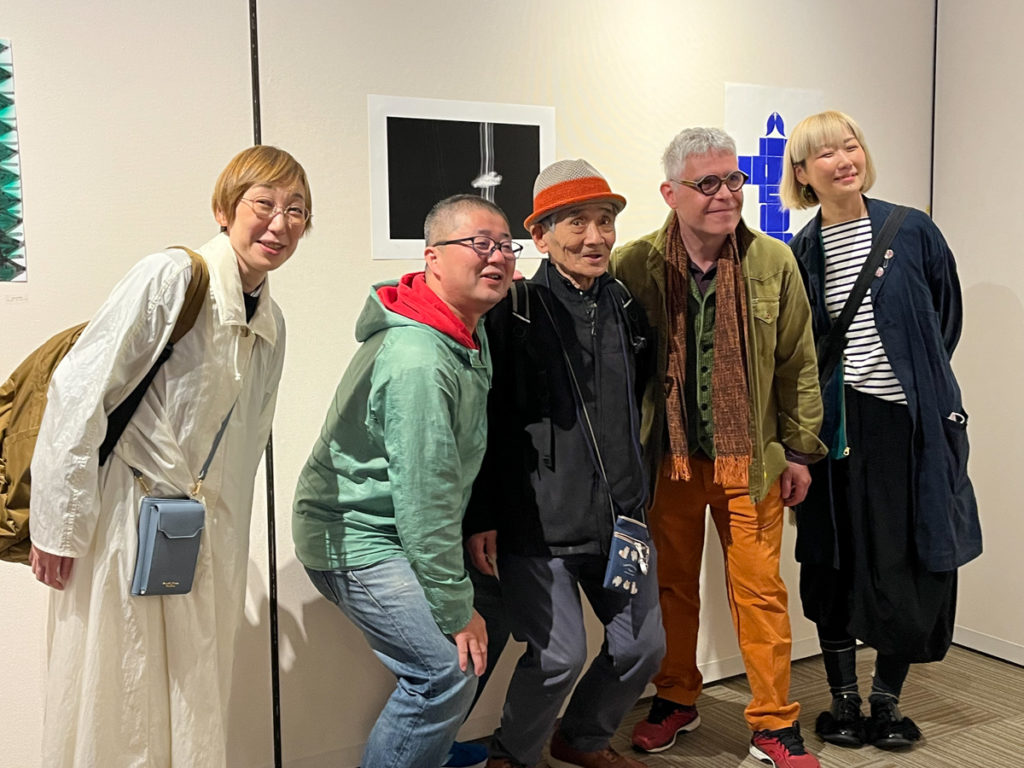
Video presentation of the exhibition at the end of the hangingFloral arrangement by Mikiko Tanaka さん and Masayoshi Imamura さんThe Artists (from left to right): Akane Masano さん, Shigekazu Tonomura さん, Yasushi Furutake さん (visiting artist), Éric Petr and Okayoko さん
ARTISTS OF NEW REALITIES 🇫🇷 Mohamed AKSOUH Sandrine ARS-COIGNARD Maria ARVELAIZ-GORDON Joanick BECOURT Milija BELIC Roger BENSASSON Joël BESSE Christine BOIRY Francesc BORDAS Claire BORDE Caroline BOUCHER Carol-Ann BRAUN Jeanne CHARTON Anne COMMET Ralph CUTILLO Claire DE CHAVAGNAC Diane DE CICCO DELNAU Olivier DI PIZIO Bernard DIDELLE Philippe Henri DOUCET Gilles DROUIN Yannick DUBLINEAU Sahar FOROUTAN Alain GUILLON Héloïse GUYARD Frédéric HENNINGER Stefanie HEYER Ingrid HORNEF Mary-Christine JALADON Bernard JEUFFROY Françoise KULESZA Erik LEVESQUE Alain LONGUET Pascal MAHOU Cristina MARTINEZ Sylvie MARY Jean-Paul MEISER Celia MIDDLEMISS Munira NAQUI Jean NAVAILH Roland ORÉPÜK Paola PALMERO Ana PÉREZ VENTURA Éric PETR Laurence REBOH Jun SATO Marie-Françoise SERRA Madeleine SINS Bogumila STROJNA François SUPIOT Sandrine THIÉBAUD-MATHIEU Marine VU Jacques WEYER
THE PLACE
Kyoto International Community House (kokoka) 2-1 Torii-cho, Awataguchi, Sakyo-ku, Kyoto, 606-8536 JAPAN tel : +8175-752-3010 https://www.kcif.or.jp/