A Conversation About Photography, Light, and Japan
In May 2026, Galerie Patrick Reygade in Marseille hosted an exhibition conceived around two bodies of photographic work, two spaces and, ultimately, two approaches that respond to one another.
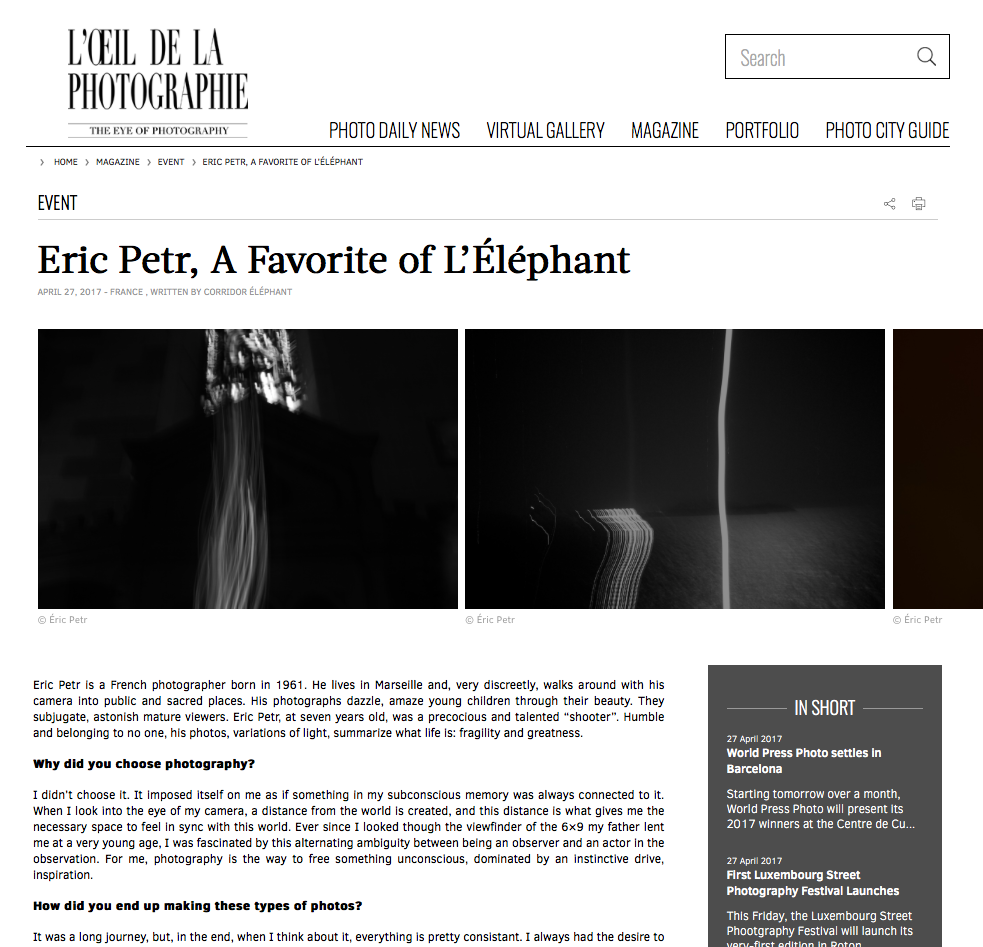
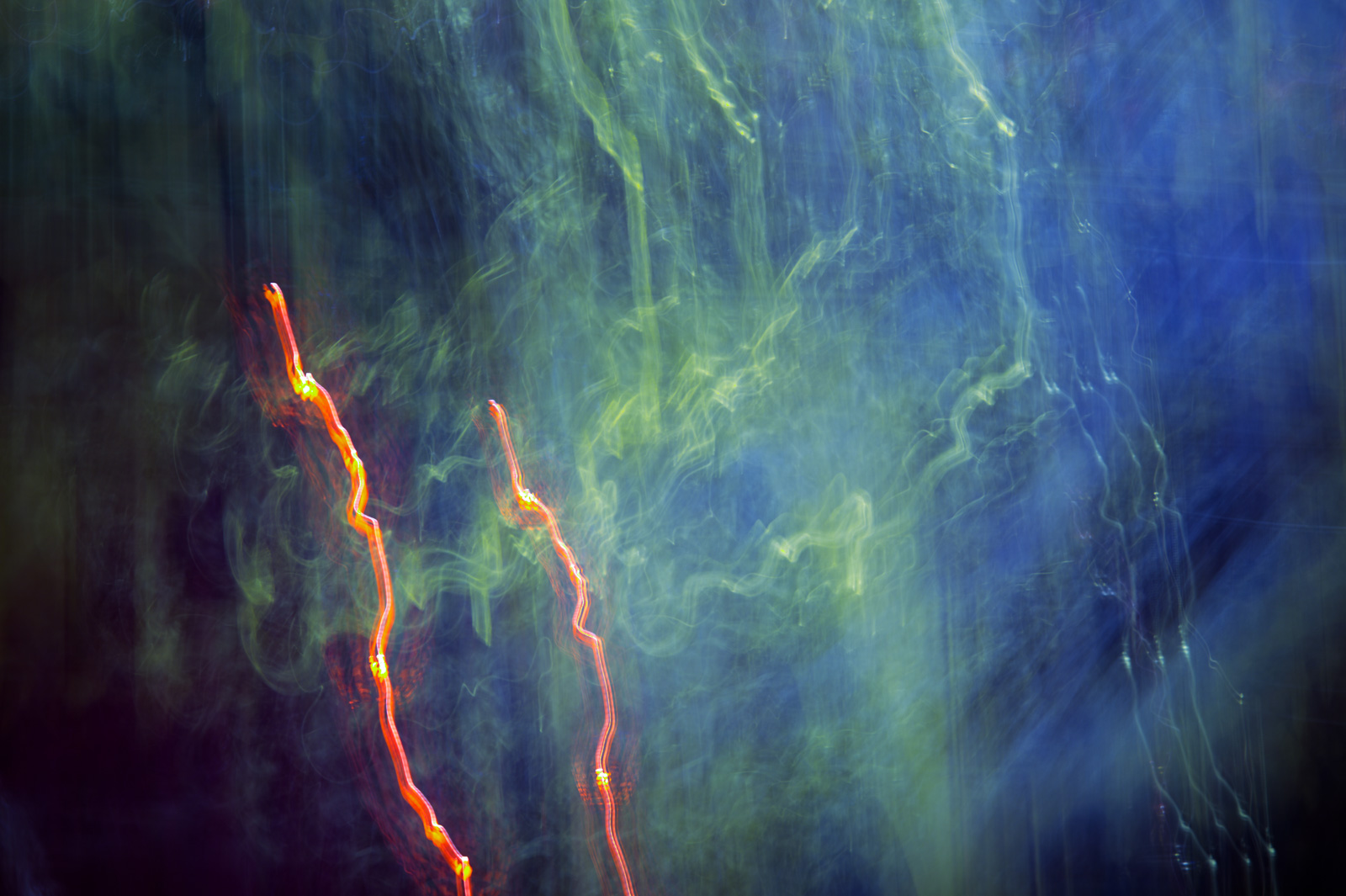
On the ground floor was presented 「ラッセラー、ラッセラー!」Rassera, Rassera!, a photographic narrative created in 2023. In the gallery’s basement, a retrospective offered an opportunity to discover a body of work specifically devoted to light, its movements, and the transformations it brings about in our perception of reality, like a print or a calligraphic work.
On the occasion of this exhibition, Nathalie Petitjean Ozog, Artistic Director of Galerie Patrick Reygade, invited me to take part in an interview about my photographic practice.
This conversation deliberately goes beyond the subject of the works on display. It provides an opportunity to explore my deep relationship with photography, considered not simply as a tool for representing the world, but as a medium through which to offer another vision of it.
What interests me in an image is not so much reproducing what the eye sees, but rather attempting to reveal a more inner dimension. Framing, movement, light and abstraction allow photography to become a form of graphic writing. My desire is for it to be capable of translating ineffable sensations: an energy, a vibration, a feeling, an emotion, something like a breath. In fact, more simply, something that moves behind the appearance of the things we see and allows the image to be inscribed within other temporalities.
The interview also brings to light a connection with my practice of aikido and my knowledge of Japan. Without seeking to establish a systematic or theoretical relationship between these different fields, certain correspondences emerge naturally: the relationship to movement, to distance from things, to a highly centered sense of temporality, to energy, to emptiness, to the circulation of forces and spaces, as well as this attentiveness to what is not visible.
This interview offers a rare opportunity to put words to these connections and to evoke what sometimes lies behind the construction of my images.
I invite you to discover this conversation with Nathalie Petitjean Ozog, recorded at Galerie Patrick Reygade in Marseille on the occasion of the May 2026 exhibition.